
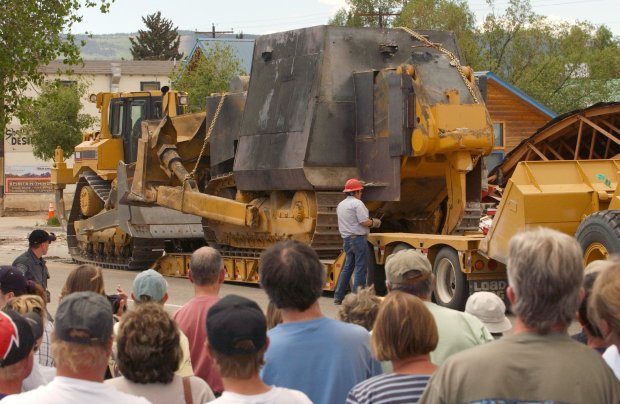
On June 4, 2004, a man in Granby, Colorado, climbed into a homemade armored bulldozer and demolished half the town. He hit the town hall, the former mayor’s house, the local newspaper office, and a concrete plant. He did it all in about two hours, methodically, without saying a word. Then, when the machine got stuck in the basement of a hardware store, he shot himself in the head. The only death that day was his own.
That’s not how the story usually gets told. The internet turned Marvin Heemeyer into a folk hero, a guy who finally stood up to corrupt small-town bureaucracy. They call his machine the Killdozer. They sell T-shirts. They make YouTube documentaries. Some of the comments are genuinely unhinged: “Need like 1000 of them vs the datacenters.” The reality is more complicated and, honestly, more interesting.
The Long, Slow Burn of a Grievance
Heemeyer was a welder and muffler shop owner who moved to Grand Lake, Colorado, in 1989, about 16 miles from Granby. He was a doomsday prepper, an avid snowmobiler, and a guy who once led a rescue effort to save a friend trapped in an avalanche. He also had a temper. In the 1990s, he got so worked up over a gambling legalization measure that he nearly came to blows with a reporter who opposed it. That intensity would define the rest of his life.
In 1992, Heemeyer bought a lot in Granby and opened a muffler repair shop. The problems started almost immediately. He wanted to put in a sewer line, but the town said no. He wanted to expand, but zoning rules blocked him. A concrete plant next door was approved, and Heemeyer claimed the constant dust and noise ruined his business. He fought the town, the plant owners, and anyone else he thought was against him. Over 12 years, he filed lawsuits, wrote angry letters, and stewed. By 2002, he’d had enough. He bought a Komatsu D355A bulldozer at auction and started welding armor plates onto it in secret.
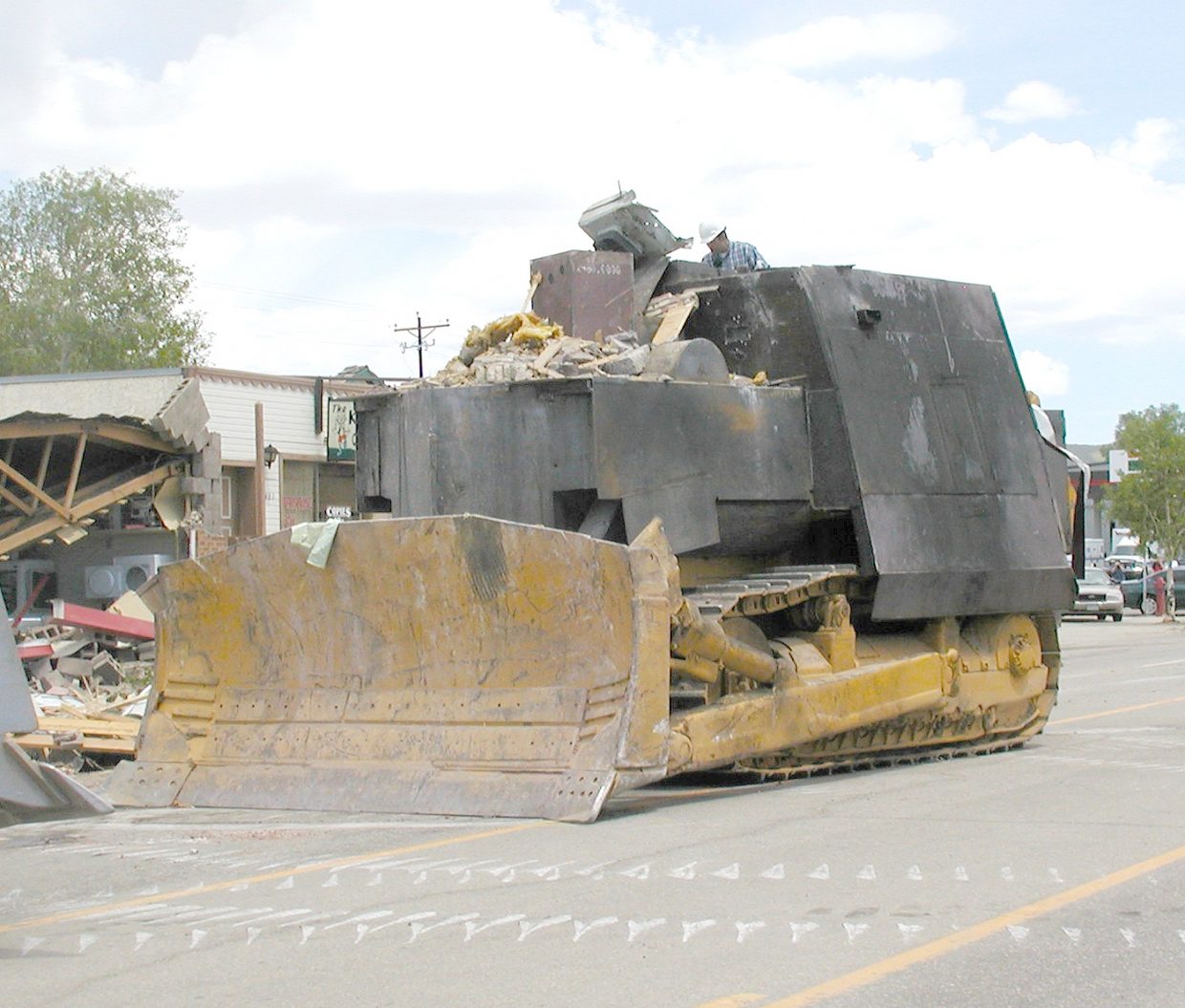
The engineering was impressive, in a terrifying way. Heemeyer covered the bulldozer in layers of steel and concrete, creating a shell that bullets couldn’t penetrate and small explosives couldn’t crack. He installed video cameras with monitors inside so he could see outside. He even rigged up an air conditioning system and a fan to keep the dust out. He was building a tank, and he knew exactly what he wanted to do with it.
The Rampage: Two Hours of Methodical Destruction
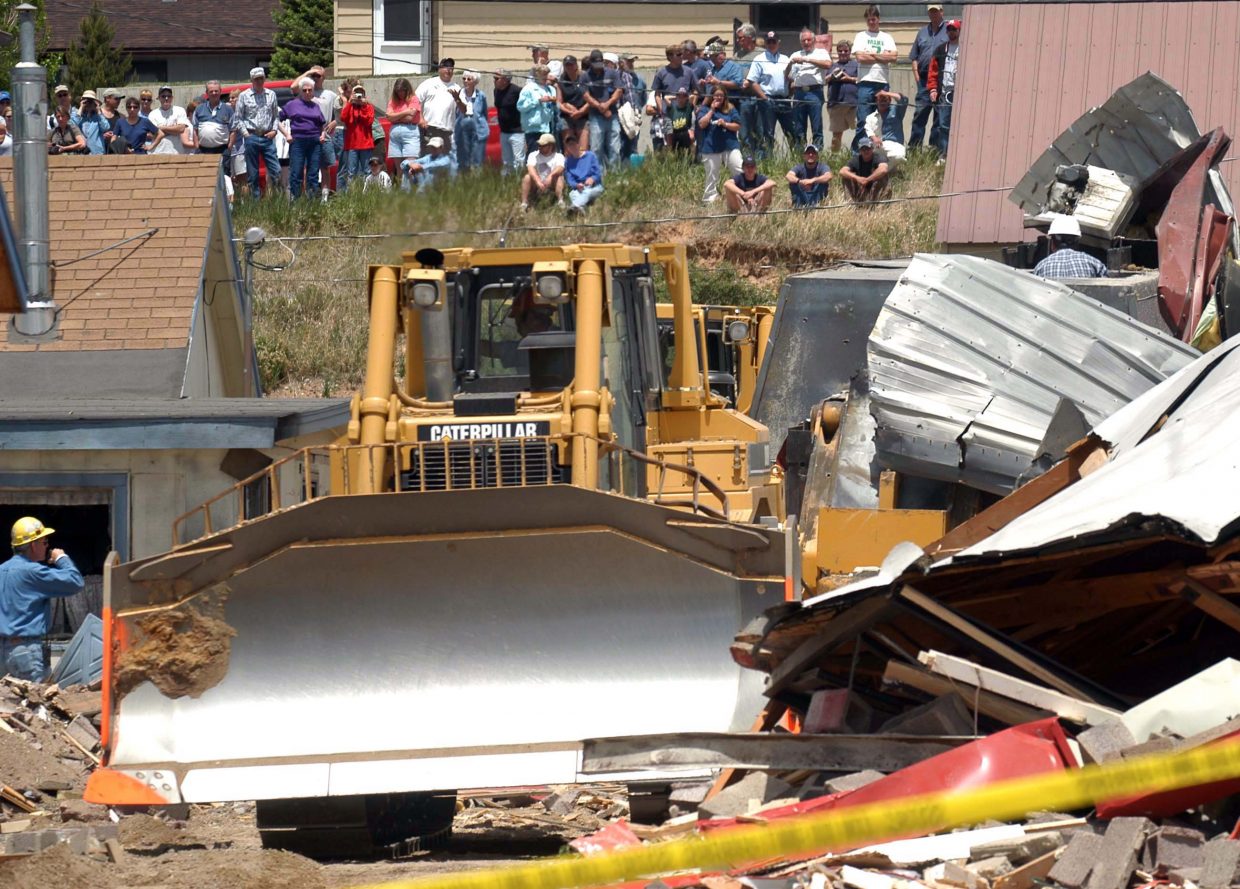
On June 4, 2004, Heemeyer fired up the Killdozer and drove it through the wall of his own muffler shop. Then he turned toward the town. He hit the Mountain Parks Electric building, the town hall, the offices of the Sky-Hi News, the former mayor’s house, and the concrete plant. He aimed the massive blade at support beams, knocking buildings down with precision. He wasn’t just smashing things; he was demolishing them.
And here’s the weird part: no one else died. The town had evacuated many buildings after seeing the machine coming. Heemeyer’s targets were specific — the people and places he blamed for his problems. He even spared a library because he liked the librarian. But the damage was catastrophic. Thirteen buildings were destroyed or heavily damaged. The total cost was estimated at $7 million.
Heemeyer’s rampage ended when the bulldozer got stuck in the basement of Gambles hardware store. The armor was too heavy, the debris too deep. He tried to free it, but the machine wouldn’t move. He sat there for a few minutes, then shot himself. The police found him with a.357 Magnum in his hand.
Why Does the Internet Love a Guy Who Destroyed a Town?
Heemeyer became a folk hero almost immediately. The Killdozer story spread through early internet forums, then Reddit, then YouTube. People called him a martyr, a man pushed too far by petty bureaucrats. They saw him as a symbol of resistance against an unfair system. The fact that no one else died made it easier to romanticize. He wasn’t a mass shooter, they argued; he was a guy who’d had enough.
But that narrative ignores a lot. Heemeyer’s grievances were real, but they were also partially self-inflicted. He refused to compromise, rejected every offer, and saw conspiracy in every setback. The town didn’t destroy his business; the free market did. The concrete plant was legal, and the zoning rules applied to everyone. Heemeyer just couldn’t accept that he’d lost. As one Reddit user put it, the debate is always “Heemeyer was a psycho” or “Heemeyer was a folk hero.” The truth is both.
Heemeyer’s own words are telling. In the tapes he left behind, he sounds less like a revolutionary and more like a deeply depressed man. He talks about being worthless, unwanted. He gave away his money and possessions before the rampage. He was planning to die, and he wanted to take the town with him. That’s not a hero’s journey; that’s a suicide note written in steel.
The Killdozer’s Cultural Afterlife
Twenty years later, the Killdozer is a meme, a documentary subject, and a cautionary tale. The Netflix film Tread gave the story a mainstream audience, and the machine itself is still around — it was dismantled and sold for scrap, but pieces of it pop up on eBay now and then. The town of Granby has tried to move on, but the anniversary always brings a fresh wave of tourists and internet hot takes.
The legacy is complicated. On one hand, Heemeyer’s rampage was a pointless act of destruction committed by a man with untreated mental illness. On the other hand, it tapped into a very real American anger — the feeling that the little guy gets screwed by the system. That’s why the comments under every video say things like “Beware the man with nothing to lose.” It’s not about Heemeyer; it’s about the fantasy.
And the fantasy is powerful. A guy builds a tank in his garage and takes on the bureaucrats. No one gets hurt. The bad guys learn their lesson. It’s a neat story, but it’s not what happened. What happened was a tragedy, and the people of Granby are still living with it.