
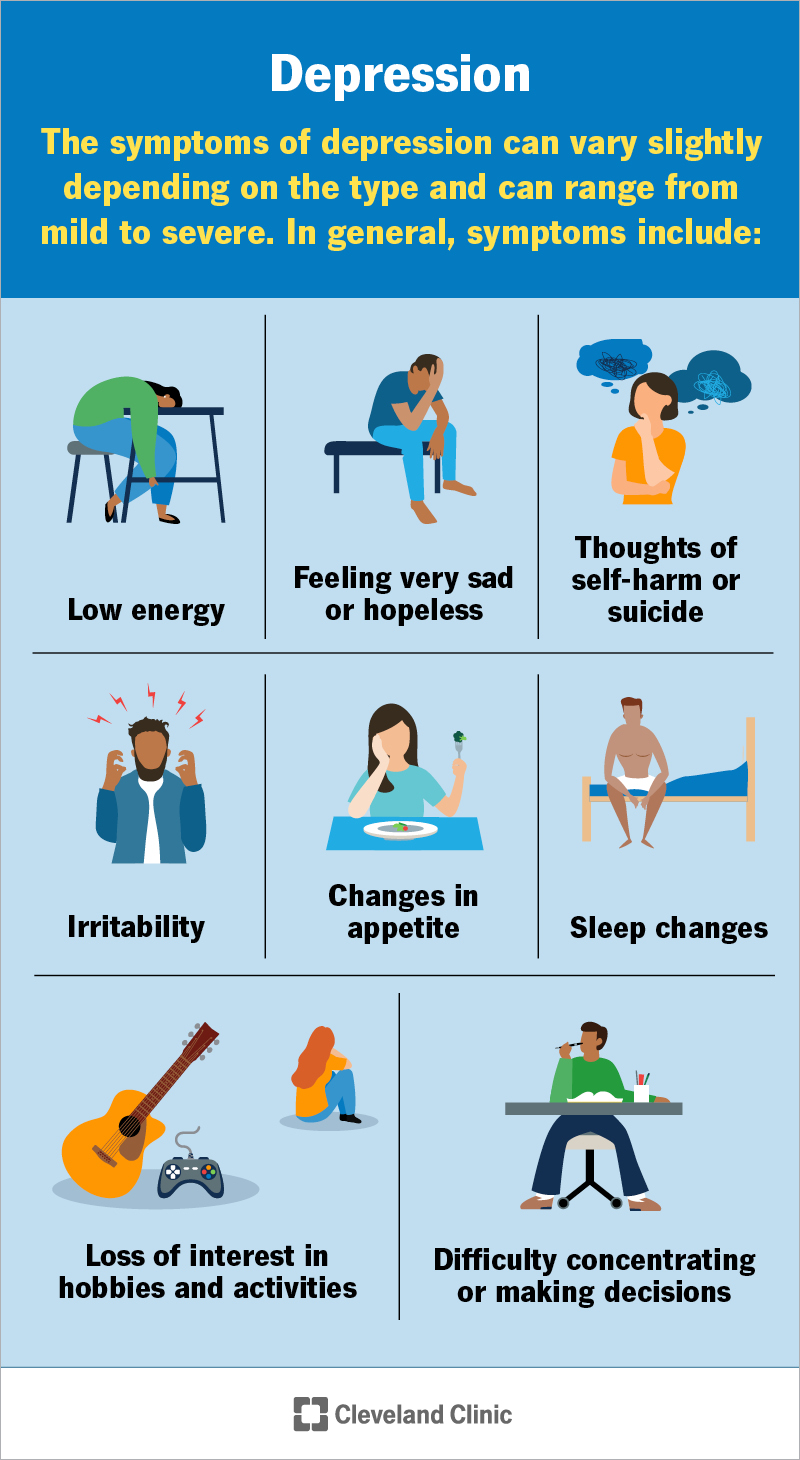
If you show up to the ER with a bone sticking out of your skin, nobody asks if you've tried yoga. But say you can't get out of bed because your brain is lying to you, and suddenly everyone's a philosopher. Have you tried not being sad? Maybe you just need more sun. My cousin cured his depression with keto. The double standard isn't just annoying—it's killing people.
Here's the thing: we've decided, as a culture, that some pain is real and some pain is just a bad attitude. A 2020 study in the Pakistan Journal of Medical Sciences found that medical students, nursing students, and the general public all reported higher stigma toward mental disorders than physical ones. Think about that. The people training to be doctors are already biased against the very patients they'll one day treat. And it's them—it's all of us.
The 'Seeing Is Believing' Problem
The AMA Journal of Ethics nailed it: "Seeing is believing is a prominent orientation to patient care." If a doctor can't see it on an X-ray or measure it in a blood test, it's not real. So a broken leg gets a cast, physical therapy, and sympathy casseroles. A panic attack gets a pat on the back and a suggestion to breathe deeply.
But here's what's wild: an estimated 10% of the 61 million Americans with a limiting condition have an invisible illness. That's 6.1 million people whose pain is dismissed because it doesn't show up on a standard chart. And a 2025 study from Research in Developmental Disabilities found that people with invisible disabilities face greater prejudice than those with visible ones. Greater. The more hidden your suffering, the less compassion you get.
The Stigma Trap
Patrick Corrigan, a psychiatrist who's spent decades studying stigma, put it bluntly: "The public seems to disapprove persons with psychiatric disabilities significantly more than persons with physical disabilities." And that disapproval seeps into everything—jobs, housing, relationships, even how patients are treated in emergency rooms. A person with schizophrenia showing up to the ER with chest pain is more likely to be dismissed as anxious than given a full cardiac workup. The mental health label becomes a filter that distorts every symptom.
But the worst part? Self-stigma. A recent extensive review found that self-stigma leads to negative effects on recovery among people with severe mental illnesses. You start to believe the lie that you're just weak or lazy. You stop seeking help because you don't want to be "one of those people." The stigma becomes a cage you build around yourself.
And yet—and this is the kicker—83% of U.S. adults say they're comfortable talking about mental health. 51% say they feel positive about their own mental health right now. So we're comfortable talking about it, but we're not comfortable treating it. It's like saying you're fine with gay people as long as they don't hold hands in public. The abstract acceptance doesn't translate into actual support.
What the Comments Section Reveals
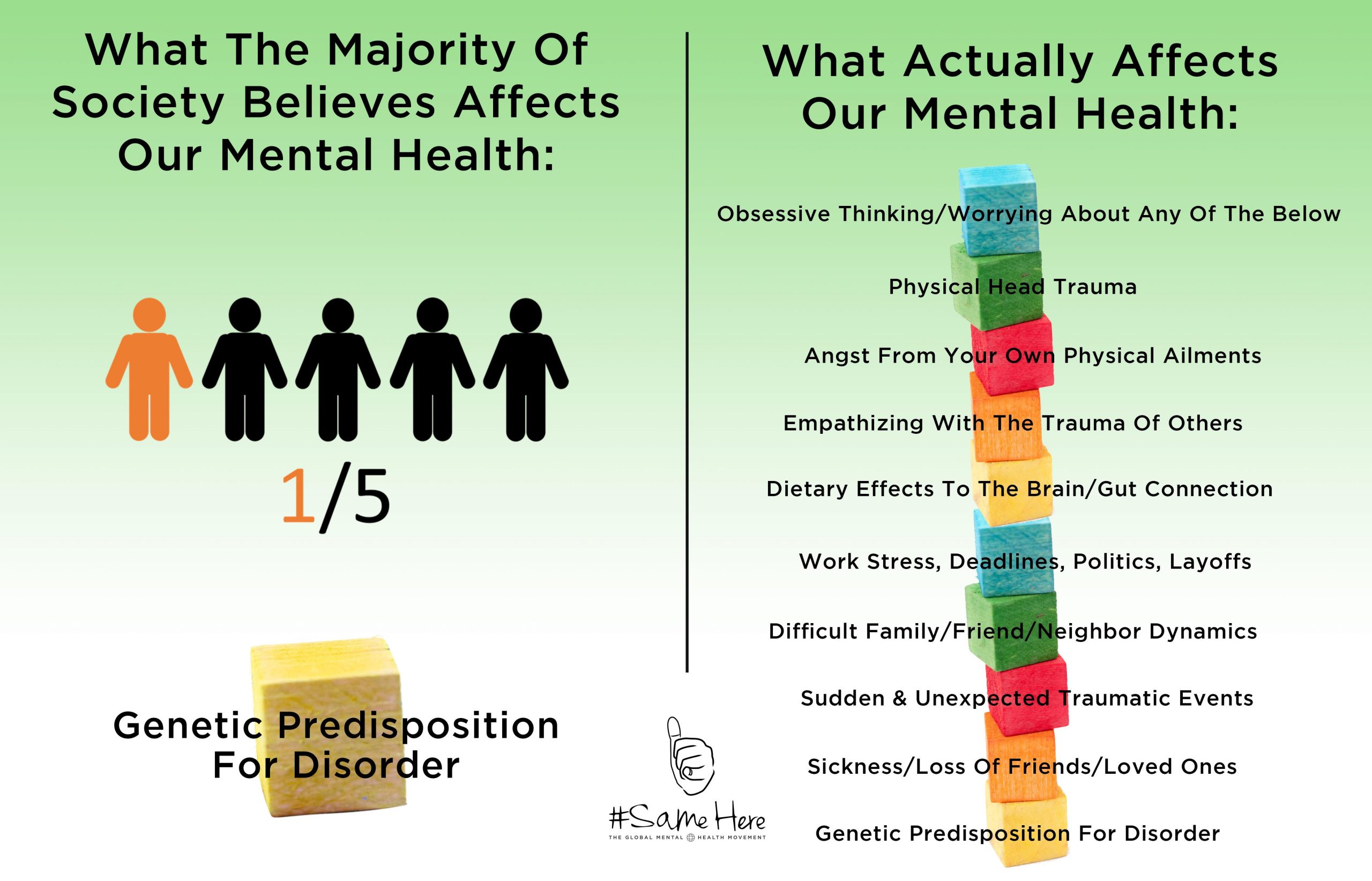
Scroll through any thread about depression and you'll see the same tired lines. "Do you think peasants had depression?" "Just embrace it and let it consume you." "I failed my depression test, so I'm useless." Some of it's dark humor, sure. But underneath is a profound misunderstanding of what mental illness actually is. It's not sadness. It's not a character flaw. It's a neurological condition with biological roots.
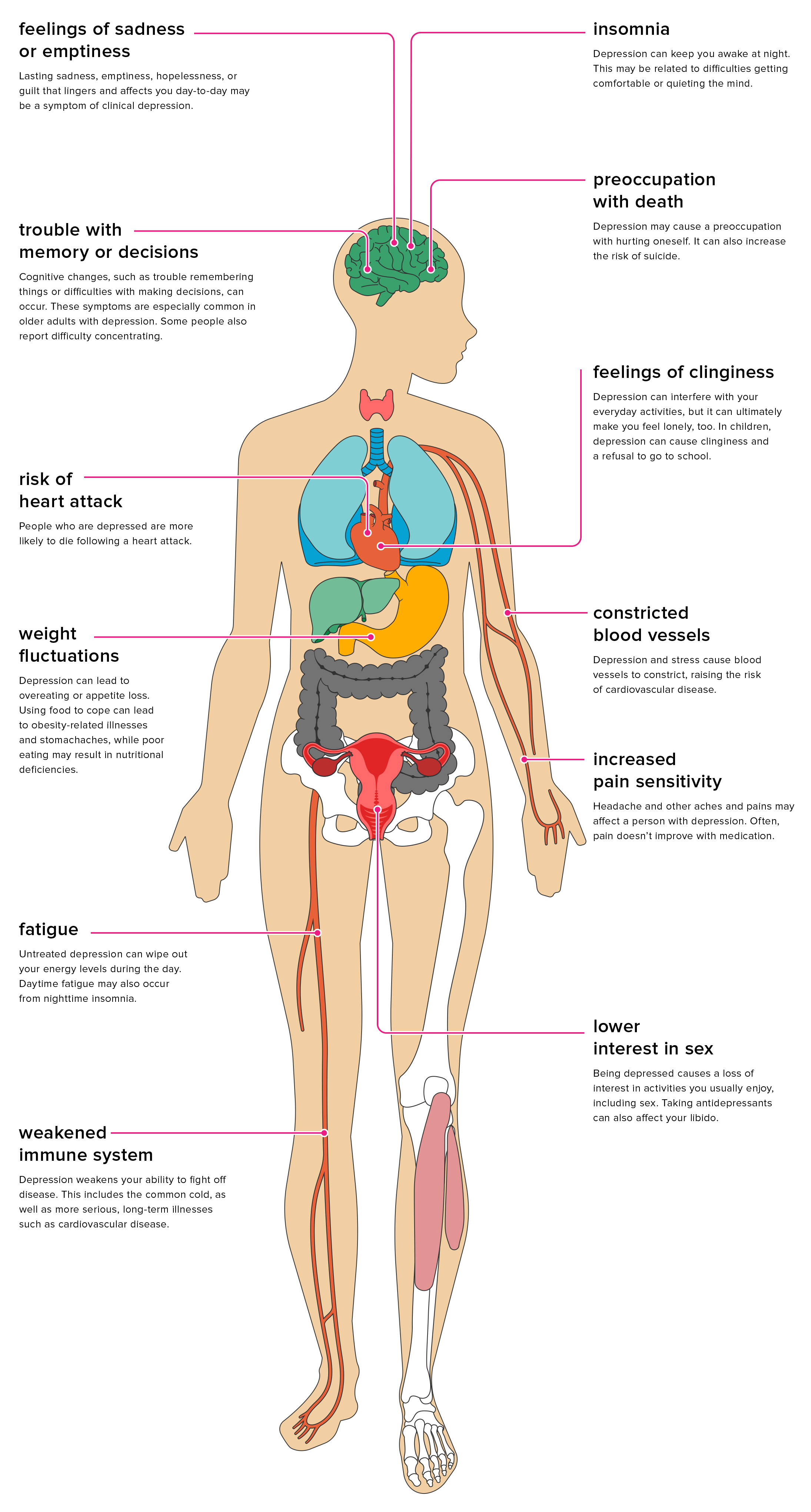
One person in that thread mentioned that their depression was caused by a GI tract disease. "A lot of your brain's neurotransmitters are made in your gut," they wrote. "So if something is wrong there..." Exactly. The gut-brain connection is real. Serotonin, dopamine, all those chemicals that regulate mood—many of them are produced in the digestive system. So when someone says "it's all in your head," they're technically right, but not in the way they think. It's in your gut, your hormones, your immune system. It's everywhere.
The Cost of Dismissal
You wouldn't tell a diabetic to just "try harder" to produce insulin. You wouldn't tell someone with a broken leg to "walk it off." But we tell people with depression to "snap out of it" every single day. And the consequences are measurable. People delay treatment for years because they're ashamed. They lose jobs because they can't get accommodations. They die by suicide because they've been told their pain isn't real enough to warrant help.
Look, I'm not saying we need to treat every bad day like a medical emergency. But we need to stop treating every mental health crisis like a personal failure. A panic attack is not a weakness. It's a physiological event—your amygdala hijacking your nervous system. A depressive episode is not laziness. It's a neurochemical imbalance that makes getting out of bed feel like climbing Everest.
So what would actual change look like? It starts with training doctors to take invisible symptoms seriously. It means insurance companies covering mental health the same way they cover physical health—and actually enforcing parity laws. It means we, as a culture, stop using "crazy" as a punchline and start using "sick" as a medical term. Because that's what mental illness is: sickness. Real, measurable, treatable sickness.
The Bottom Line
We've built a healthcare system that treats the body like a machine and the mind like a mood ring. That has to change. Not because it's "nice" to be inclusive, but because it's killing people. The science is clear: mental illness is as biological as diabetes, as real as a fracture, and as deserving of treatment as any other condition. The only thing standing in the way is our stubborn, outdated belief that if we can't see it, it doesn't matter.
And that belief? It's the most dangerous symptom of all.