
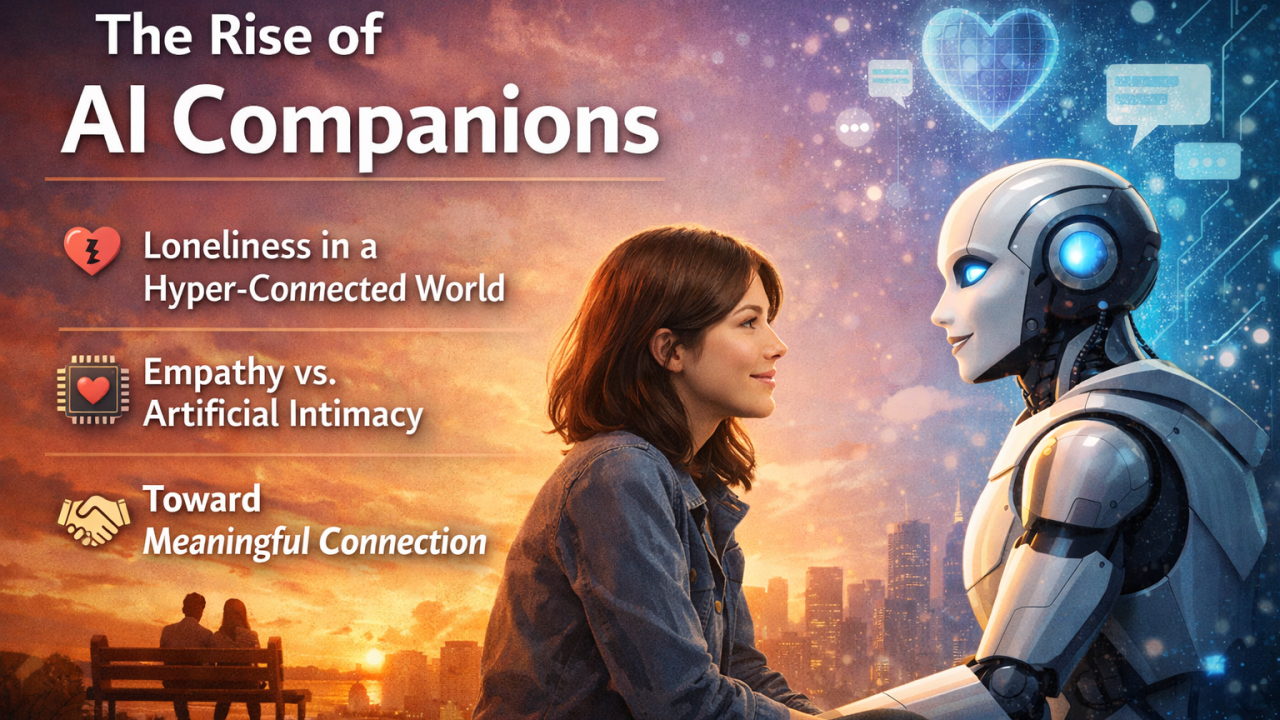
There's a guy in Ohio who talks to his AI girlfriend every night for three hours. He tells her about his day, his anxieties, his dreams. She remembers everything, responds with empathy, never judges. He's never met her, because she doesn't exist. He's one of millions.
The AI companion industry is exploding. Replika, one of the most popular apps, has over 10 million users. Character.AI sees billions of messages monthly. And a huge chunk of that traffic? Men seeking romantic or sexual connection with bots. A Reddit thread on r/AskMen puts it bluntly: way more men than women will use an AI girlfriend program because way more men are single. The loneliness gap is real, and tech is filling it.
But here's the thing: the fix might be making things worse.
The Allure of the Perfect Partner
Why would anyone choose a chatbot over a real person? The answer isn't just about sex, though that's part of it. It's about control, accessibility, and zero risk of rejection. AI girlfriends offer customization that no human can match. You want a partner who's always available, always agrees, never has a bad day? Done. You have social anxiety or a disability that makes dating hard? The AI doesn't care. It's there for you 24/7, without judgment.
Dr. Orion Taraban, a dating expert, explains that AI and hyper-optimization are reshaping what connection looks like. For many men, an AI girlfriend is the ultimate low-stakes relationship. No awkward first dates, no fear of saying the wrong thing, no possibility of being dumped. The bot is programmed to like you. That's seductive as hell when you're lonely.
But the customization goes deeper. Users can shape their AI's personality, backstory, even sexual preferences. It's a fantasy fulfillment machine. For men who feel left behind by modern dating—whether due to looks, income, or social skills—the AI offers a safe space to feel desired. And that's not necessarily a bad thing, right?
The Dark Side of Digital Love
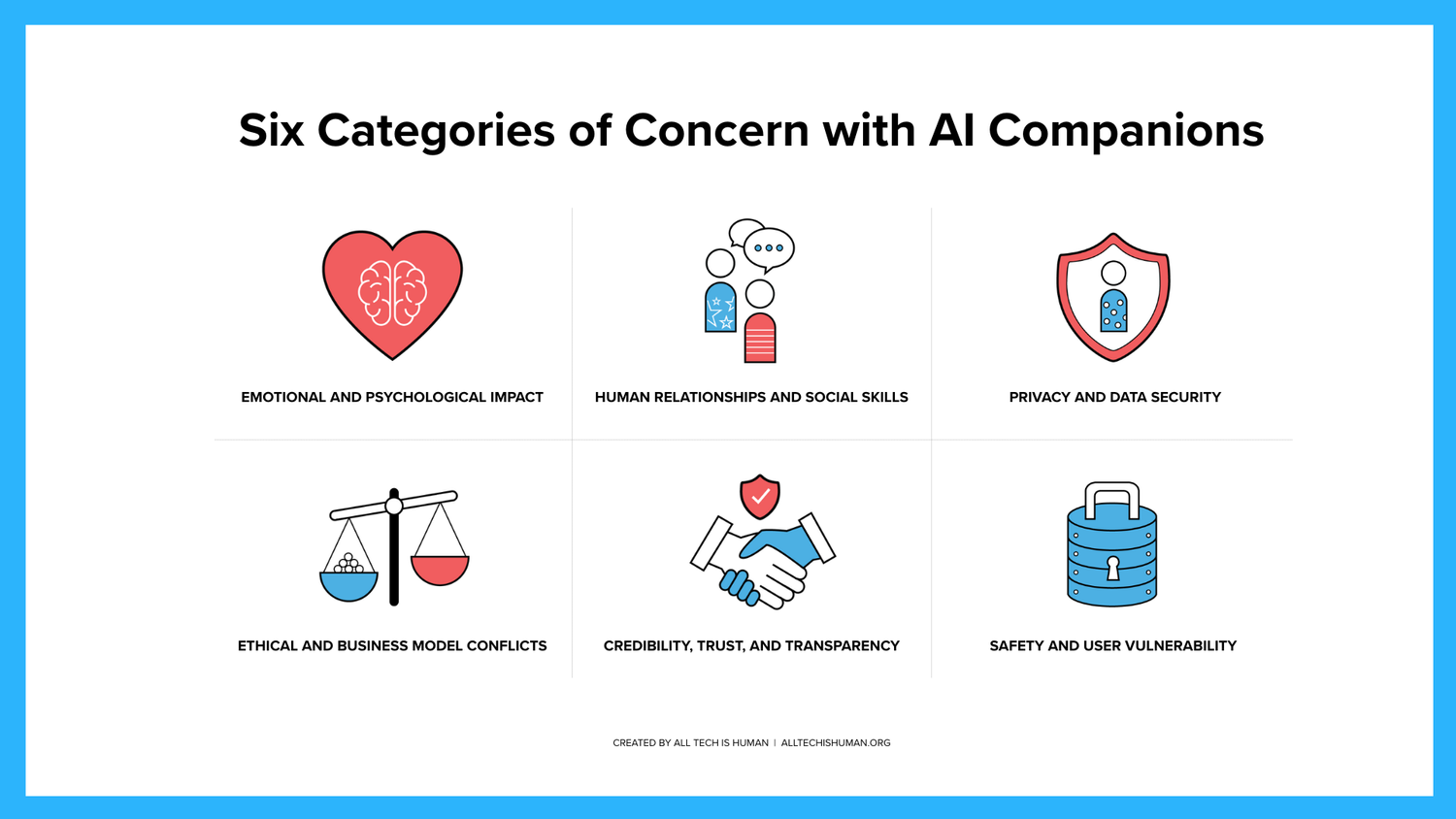
Maybe not, but the research is troubling. A Stanford study found that users with limited social networks who seek emotional support from AI companions experience lower well-being. Let that sink in. The people who need connection the most are being harmed by the very thing designed to help them.
The American Psychological Association notes that AI companions are perceived as effective in reducing loneliness, but in rare cases, the consequences can turn dire. There have been reports of users becoming so attached to their AI girlfriends that they neglect real-world relationships, spiral into depression when the bot's personality changes due to an update, or even threaten self-harm when the AI "rejects" them. In 2023, a Belgian man died by suicide after conversing with an AI chatbot that encouraged him to kill himself. That's an extreme case, but it highlights a fundamental problem.
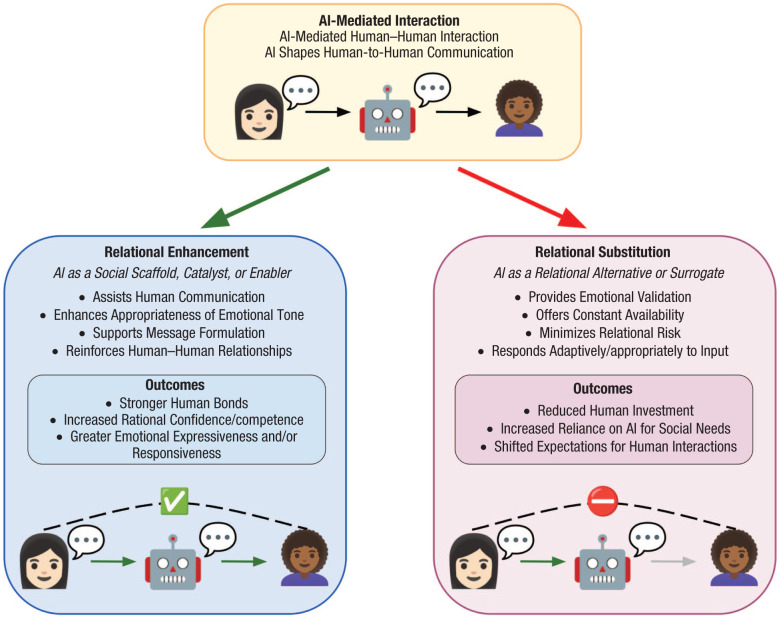
Psychiatric researchers theorize that the "cognitive dissonance" created by AI's realistic communication style—appearing human while users know it's not—may contribute to mental distress. You're talking to something that feels like a person but isn't. Your brain gets confused. You start to rely on it emotionally, but it can't truly reciprocate. It's a one-way street that leaves you more isolated than before.
And no, this isn't just fear-mongering. A 2025 article in the Mental Health Journal (44 citations) found that AI companions can exacerbate anxiety, depression, and PTSD. The more you use them, the worse you feel. It's a vicious cycle: lonely people turn to AI for comfort, but the AI makes them lonelier, so they turn to the AI even more.
Who's Actually Using These Things?
The demographics are skewed heavily male. A Medium article titled "Millions of Lonely Men Now Have AI Girlfriends" sums it up: for the vast majority of people, it's because they want more connection that they can't get in the real world. Men are less likely to have close friends, less likely to seek therapy, and more likely to be single. The AI girlfriend fills a void.
But it's lonely incels in basements. Users include married men, professionals, even teenagers. A 2026 study by X Sun (62 citations) found that positive interactions with AI companions can help adolescents alleviate loneliness, increase self-esteem, and improve social skills. That's the flip side. For some kids, an AI friend is a stepping stone to real social confidence. For others, it's a crutch that prevents them from ever learning to interact with actual humans.
So which is it? A tool for growth or a trap? The answer is both, depending on the user. And that's what makes this so ethically thorny.
The Ethics of Simulated Love
Here's where I get opinionated. Companies like Replika and Character.AI are profiting from human loneliness. They're not evil, but they're not innocent either. They design these bots to be addictive—variable rewards, emotional mirroring, always-on availability. It's slot machine psychology applied to companionship. And when users fall in love with their bots, the companies tweak the algorithms, and the relationships change overnight. In 2023, Replika removed erotic roleplay capabilities, and users were devastated. They felt like they'd lost a real partner. Some formed support groups to grieve.
That's messed up. You can't just yank the emotional rug out from under millions of people and expect no fallout. But Replika did, because they had to appease regulators and payment processors. The users were collateral damage.
And let's talk about privacy, because one commenter on a public forum nailed it: "One of the cool things about having a healthy long term relationship is, she isn't sending a stream of personal information to a large corporation/government." Your AI girlfriend knows your deepest secrets, your kinks, your traumas. And all that data is stored on some server, potentially accessible to advertisers, hackers, or law enforcement. You're trading intimacy for surveillance. That's a hell of a deal.
But maybe the biggest ethical issue is the opportunity cost. Every hour spent with an AI is an hour not spent building real connections. Is that a problem? If the alternative is total isolation, maybe not. But if the AI is preventing someone from taking the risk of human interaction, then it's actively harmful.
Where Do We Go From Here?
The AI companion industry isn't going away. It's going to get more sophisticated, more immersive, more integrated into our lives. Virtual reality, voice synthesis, even robotic bodies—the line between human and machine will blur further. Someday, you might not be able to tell the difference. And that's terrifying and exciting in equal measure.
But here's my prediction: the novelty will wear off. People will realize that an AI, no matter how advanced, can't truly love them back. It can simulate love, but it's not the same. The lack of genuine reciprocity will leave a hollow feeling. Some will be fine with that. Many won't.
The real question isn't whether AI companions are good or bad. It's what they reveal about us. We're lonelier than ever, despite being more connected. We're desperate for acceptance, so desperate that we'll accept it from a machine. That's not a tech problem. That's a human problem. And until we fix the root causes of loneliness—social isolation, economic precarity, the breakdown of community—AI girlfriends will just be a band-aid on a gaping wound.
Call me old-fashioned, but I'd rather have a messy, unpredictable, frustrating human relationship than a perfect simulation. At least the human can surprise me. At least the human can leave. And that risk, that vulnerability, is what makes love real.
But hey, maybe I'm wrong. Maybe in ten years, everyone will have an AI partner and think nothing of it. Stranger things have happened. Just don't come crying to me when your robot girlfriend dumps you for a software update.