
Harvey Weinstein just got 15 years for a 2006 sex crime, and the weirdest part isn't the wheelchair or the handcuffs. It's that he still thinks he's the one who deserves sympathy.
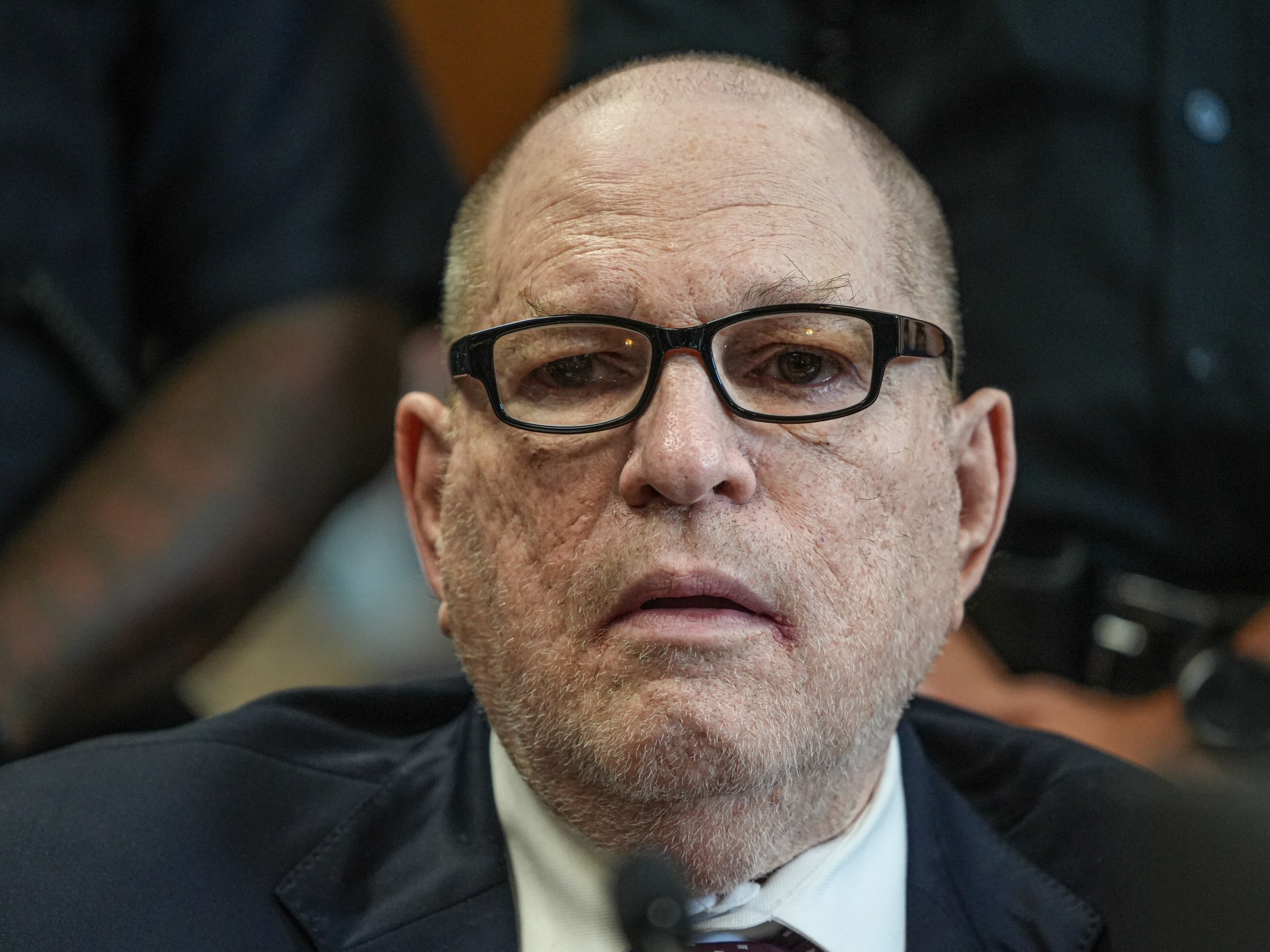
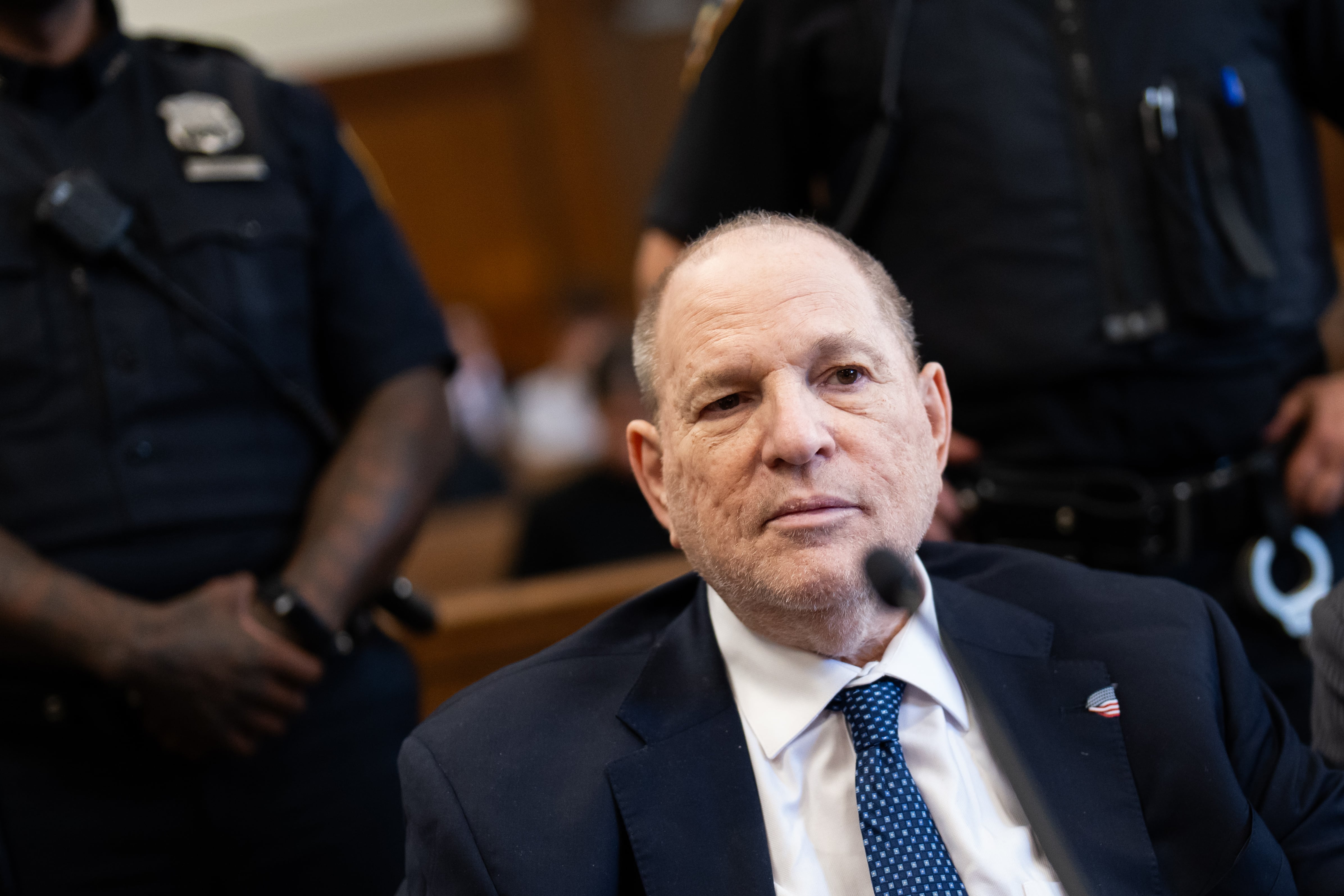
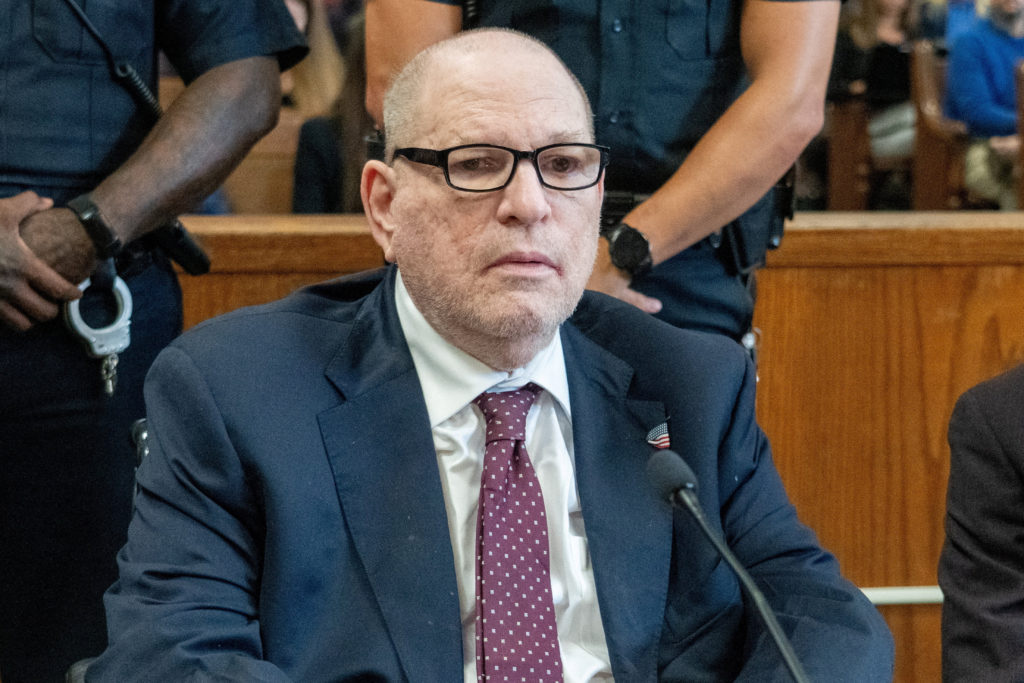
On September 23, 2026, a Manhattan judge sentenced the former movie mogul to 15 years in prison, followed by five years of supervised release and sex offender registration. Weinstein, 74, appeared in court in a wheelchair with his hands cuffed to his seat. He told the judge he's "not a perfect person" but "a person who has made mistakes." Then he added, "I am not a violent man."
Judge Curtis Farber didn't buy it.
"You took what you wanted by force, and you have never accepted responsibility," Farber said before handing down the sentence.
That's the whole story in two lines, isn't it? A man who spent decades forcing women into corners, literally and figuratively, still casting himself as the flawed hero of his own redemption arc. And a judge finally saying, no, you don't get to rewrite this one.
The Long Road to 15 Years
This wasn't Weinstein's first trip to a sentencing hearing. In 2020, he was convicted on rape and criminal sexual act charges and got 23 years. That conviction was overturned in 2024 by a New York appeals court, which ruled that the trial judge had improperly allowed testimony from women whose allegations weren't part of the charges. A retrial was ordered.
In June 2025, a jury found him guilty again, this time on one count of first-degree criminal sexual act involving Miriam Haley, a former "Project Runway" production assistant who testified that Weinstein forcibly performed oral sex on her in his New York City apartment in 2006.
Haley's victim impact statement, read in court, was devastatingly simple. "It is a life sentence for me," she said.
Weinstein has been behind bars since his arrest in 2018, the event that many credit with igniting the #MeToo movement. That's eight years of appeals, retrials, and legal wrangling. Eight years of Haley and other survivors having to relive the worst moments of their lives in public, under oath, while Weinstein's team argued technicalities.
What This Means for #MeToo
When Weinstein's 2020 conviction was overturned, there was a lot of hand-wringing about whether #MeToo had lost its teeth. Would survivors be discouraged? Would powerful men feel emboldened? Judging by what's happened since, the answer is a clear no.
The movement hasn't just survived the reversal; it's evolved. In the years since 2017, we've seen accountability spread far beyond Hollywood. The New York State Bar Association even noted that #MeToo has an "impressive record" in the courts, with convictions holding up in the vast majority of cases. Weinstein's retrial and re-conviction are part of that pattern, not a break from it.
But here's the thing: a 15-year sentence for a 74-year-old man is effectively a life sentence. Weinstein will likely die in prison. That's not a victory lap for the movement; it's a grim reminder of how long it takes to bring a serial predator to heel.
And it's worth asking: why did it take eight years, two trials, and an appeal to get here? Because the system is built to protect men like Weinstein. He had money, connections, and a team of lawyers who exploited every procedural avenue. The fact that he was finally held accountable is less a sign of systemic change and more the tenacity of the women who refused to let him slip away.
Weinstein's Delusion
Let's talk about what Weinstein said in court, because it's a masterclass in narcissistic deflection.
"I am not a perfect person, but I am a person who has made mistakes."
That's the language of a guy who double-parked, not a man convicted of a violent sex crime. Then he added, "I am not a violent man."
Really? Because forcing oral sex on a woman who said no is pretty much the definition of violence. It's not a "mistake." It's not a lapse in judgment. It's a deliberate act of power and control.
Judge Farber saw through it. His rebuke was the most honest thing said in that courtroom: "You took what you wanted by force, and you have never accepted responsibility."
Weinstein's inability to even acknowledge the harm he caused is why this sentence, while long, doesn't feel like enough. He'll spend his remaining years in prison, but he'll die believing he's the victim of a witch hunt. That's not justice; it's just containment.
The Bigger Picture
Weinstein's case has become a symbol, but it's important to remember the individual women behind the headlines. Miriam Haley, Jessica Mann, and the more than 80 women who accused Weinstein of misconduct all had their lives upended. Some saw their careers destroyed. Others carried trauma for decades before speaking out.
Haley's words in court should echo far beyond that Manhattan courtroom. "It is a life sentence for me."
That's the part that gets lost in the legal back-and-forth. Every appeal, every retrial, every news cycle forced these women to revisit their trauma. The system demands that survivors prove their pain over and over, while the accused gets the benefit of every doubt.
Weinstein's 15-year sentence is a milestone, but it's not the end. The #MeToo movement continues to push for structural changes in how sexual assault cases are investigated, prosecuted, and adjudicated. And Hollywood, once Weinstein's playground, has had to confront its own complicity.
The question now is whether the industry has truly changed or just learned to hide its monsters better. Time will tell, but one thing is certain: the days of unchecked power are over, at least for those who get caught.
What Comes Next
Weinstein will likely appeal again. His lawyers have already signaled they'll challenge the sentence and the conviction. That means more court dates, more headlines, and more trauma for the survivors.
But here's the thing: the arc of this story has bent toward accountability. Slowly, painfully, but it has bent. And that's because women refused to be silent.
The #MeToo movement didn't start with Weinstein, and it won't end with his sentencing. It's a long, messy, ongoing fight. But on September 23, 2026, the system worked the way it's supposed to. A powerful man was held accountable for a violent crime.
That's not the end of the story. It's just one chapter. And the next one is up to all of us.