
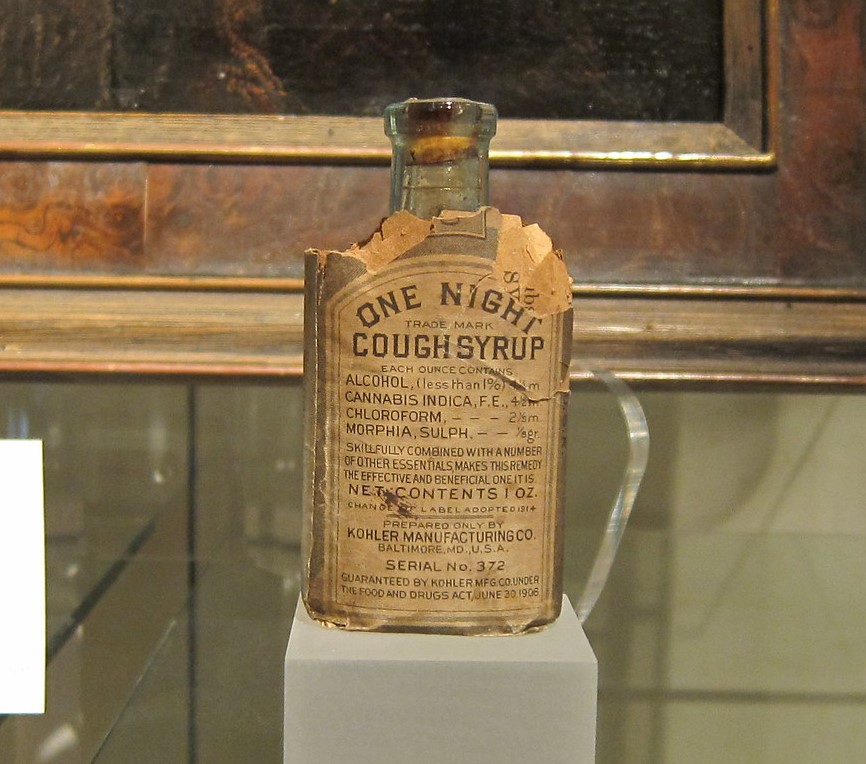
If you got sick in 1885, your options were bleak. You could call a doctor who'd bleed you with leeches and dose you with mercury, or you could grab a bottle of something off the shelf at the general store. That bottle probably had a fancy label and a name like 'Dr. Pierce's Favorite Prescription' or 'Mrs. Winslow's Soothing Syrup.' It promised to cure everything from consumption to colic. And it was probably 20% alcohol and laced with morphine, cocaine, or arsenic.
Patent medicines were the original over-the-counter drugs, and they were a goddamn free-for-all. No FDA. No ingredient lists. No safety testing. Just a lot of big claims and a lot of dead customers. Here's what people were actually swallowing, and how it finally forced the government to step in.
The Wild West of 'Cure-Alls'
The term 'patent medicine' is misleading. Most of these concoctions were never patented in the legal sense. As the Hagley Museum notes, 'the recipes of most 19th century patent medicines were not officially patented.' Producers guarded their formulas as trade secrets, which meant nobody outside the factory knew what the hell was in them. And inside the factory? It was often a family operation mixing herbs, molasses, and whatever chemicals were cheap that week.
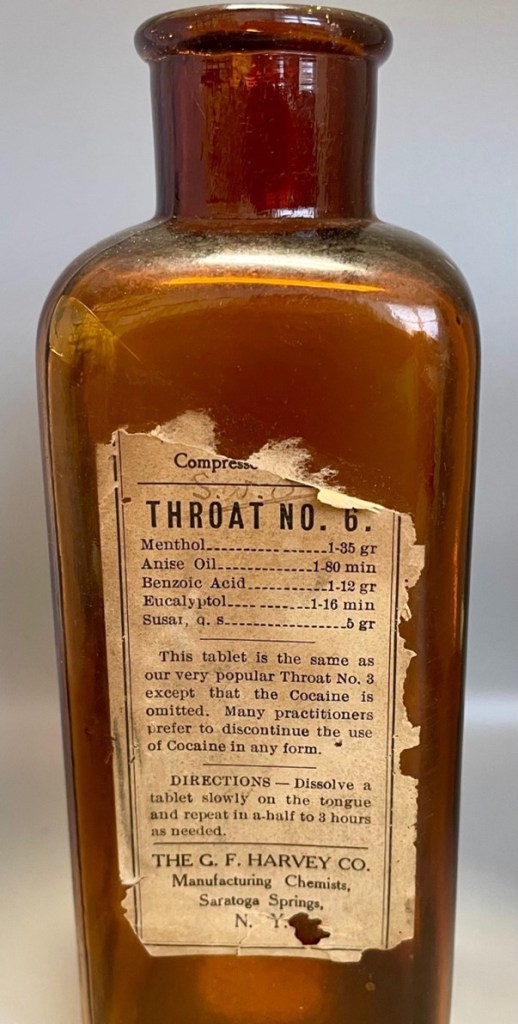
These medicines were marketed as affordable, accessible alternatives to doctors. And who could blame people for buying them? A visit from a physician in the 1800s might involve bloodletting, purging, or a dose of calomel (mercury chloride) that would make your teeth fall out. The patent medicine seemed gentler by comparison. Plus, it was right there on the shelf, no prescription needed, no expensive house call.
But the 'cures' were often just as dangerous as the diseases. The OHSU Historical Collections put it bluntly: 'Many of these concoctions contained a blend of vegetable compounds mixed with alcohol, morphine, opium, or cocaine.' And those were the so-called 'safe' ingredients.
A Cocktail of Narcotics and Poisons
Let's talk about what was actually in these bottles. A scholarly review of patent medicines prescribed to 19th-century Americans found that 'narcotics common to the patent medicine industry included alcohol, cannabis, morphine, heroin, and chloroform.' Heroin. In an over-the-counter remedy. Bayer sold heroin as a cough suppressant in the 1890s, and it was marketed as a non-addictive alternative to morphine. That went about as well as you'd expect.
Alcohol was the base for most patent medicines. Take Old Dr. J. Townsend's, a popular 'sarsaparilla' tonic. The Hershey Story reveals it contained 'various herbs, molasses, senna (a laxative) and 18 to 25 proof alcohol.' That's 9% to 12.5% alcohol by volume, roughly the same as wine. So a 'tonic' for your liver was essentially a cocktail with a laxative kick. People were getting buzzed off their medicine and calling it health.
Then there were the heavy metals. Wikipedia's list of patent medicines notes that 'some formulations included toxic ingredients such as arsenic and lead.' Arsenic was used in 'complexion wafers' to make women paler. Lead was in face powders and hair dyes. And mercury? That was a favorite for syphilis treatments and teething powders. Calomel, a mercury compound, was prescribed for everything from constipation to depression. It caused mercury poisoning, which includes symptoms like excessive salivation, tooth loss, and neurological damage. But hey, at least you weren't constipated.
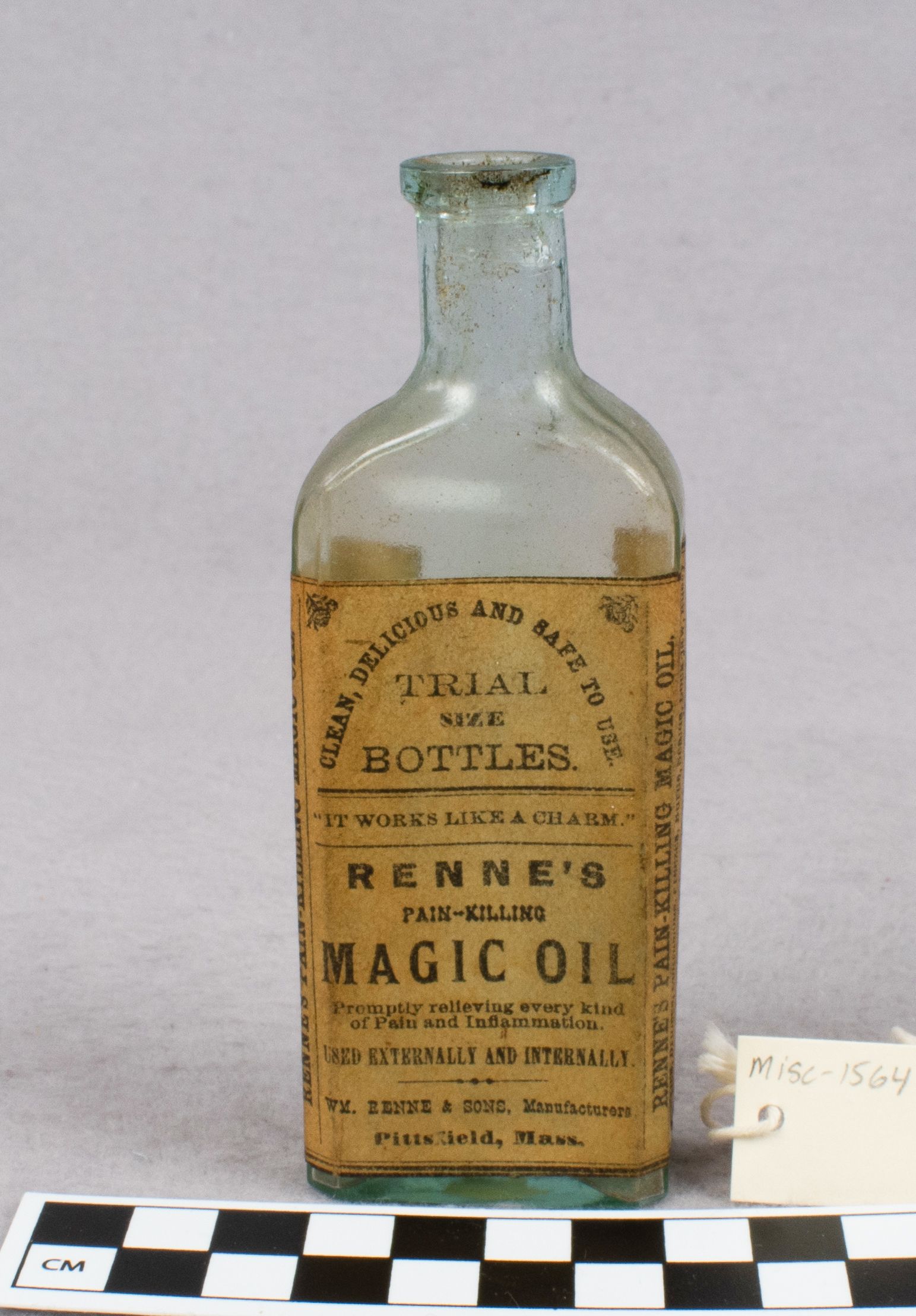
The scariest part? These products were marketed to children. Mrs. Winslow's Soothing Syrup was a popular remedy for teething babies. It contained morphine. One teaspoon of the stuff could quiet a screaming infant for hours, and sometimes forever. The American Medical Association estimated that Mrs. Winslow's killed thousands of babies before it was pulled from the market in the early 1900s. That's not medicine. That's murder in a bottle.
How the Government Finally Stepped In
You'd think someone would have put a stop to this sooner. And there were attempts. As early as 1848, a federal law addressed drug imports, but it only applied to imported drugs and was poorly enforced. For decades, the patent medicine industry operated with zero oversight. Manufacturers could put anything in their products, claim anything on the label, and face no consequences.
The turning point came with the muckraking journalists of the early 20th century. Samuel Hopkins Adams wrote a series for Collier's Weekly called 'The Great American Fraud,' exposing the dangerous ingredients and false claims of patent medicines. He documented cases of babies dying from soothing syrups, of people becoming addicted to 'tonics' that were mostly morphine, of 'cures' that contained nothing but alcohol and food coloring.
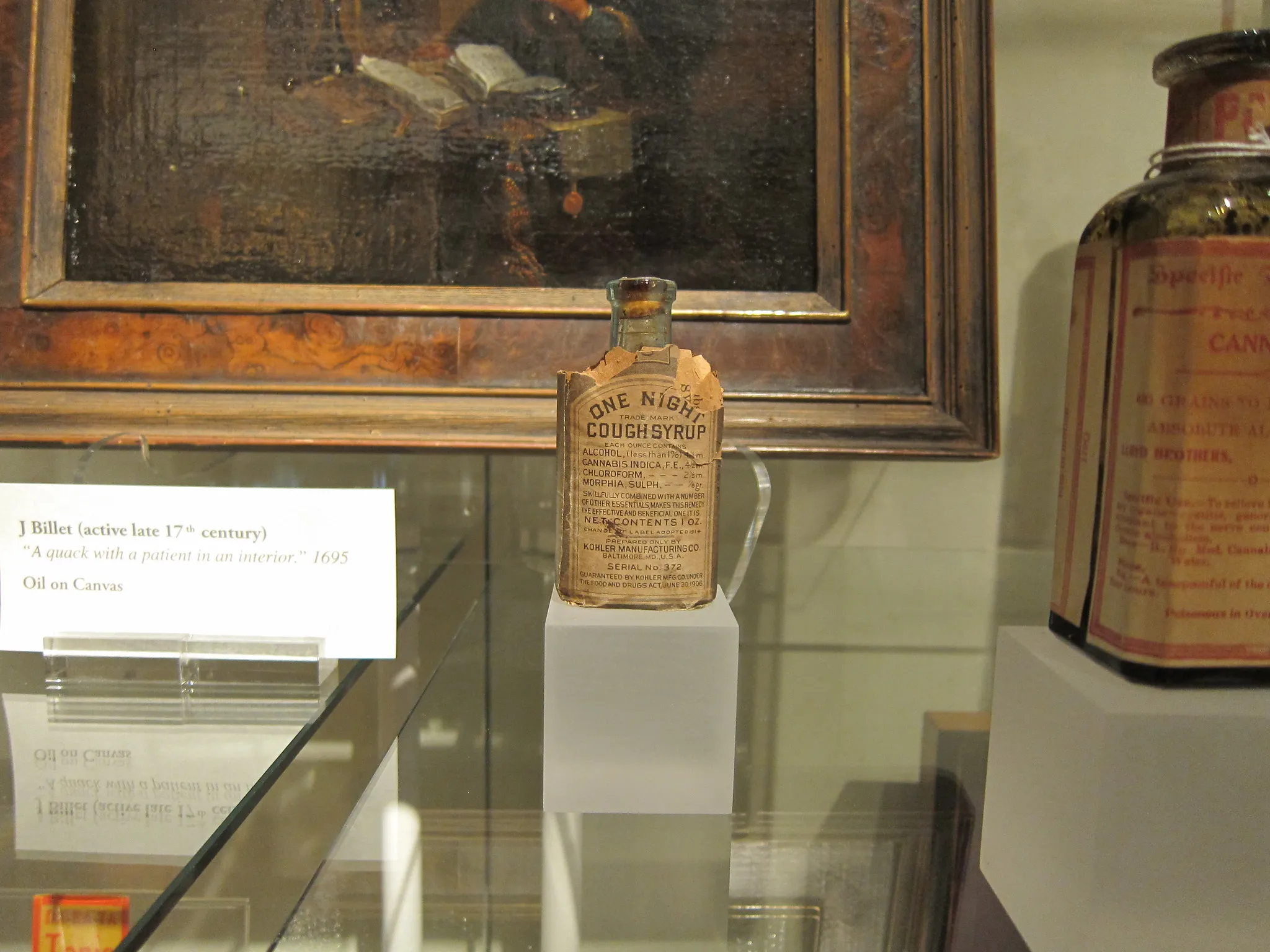
Public outrage led to the Pure Food and Drug Act of 1906, the first major federal law to regulate drugs. It didn't ban dangerous ingredients outright, but it required that certain dangerous substances like alcohol, opium, and cocaine be listed on the label. That seems like a low bar, but it was a start. The FDA's modern regulatory functions began with this act, even though the agency wasn't called the FDA until 1930.
It took another tragedy to get real safety testing. In 1937, a drug company marketed a liquid form of sulfanilamide, an antibiotic, using a solvent called diethylene glycol, which is basically antifreeze. Over 100 people died, many of them children. The public was rightly horrified, and Congress passed the Federal Food, Drug, and Cosmetic Act of 1938. This law required drugs to be proven safe before they could be sold. It was the end of the patent medicine era, and the beginning of modern drug regulation.
What This Means for Today
The patent medicine era feels like ancient history, but its legacy is all around us. The FDA's authority to require safety testing, to police labels, to pull dangerous products off the market, all stems from a century of poison. Every time you read a drug label with a list of side effects, you're seeing the hard-won result of those deaths.
And here's the uncomfortable part: we're not immune to the same kind of thinking. The supplement industry operates in a regulatory gray area that would look familiar to a 19th-century patent medicine salesman. Dietary supplements don't need FDA approval before hitting the market. The FDA can only act after a product is shown to be dangerous. It's a post-market system, just like the old days. And we've seen the results: adulterated supplements, hidden ingredients, false claims. Are we really that much smarter than our great-great-grandparents?
We like to think we've outgrown the era of arsenic-laced tonics and morphine for babies. But the fundamental human desires that drove the patent medicine boom are still with us. We want a quick fix. We want to believe there's a simple solution to our health problems. And we're willing to pay for it, even when the evidence is thin. The difference is, we now have agencies like the FDA to at least try to keep the poison out of the bottle. That's a hell of a lot better than trusting a label that promised to cure everything and delivered nothing but addiction and death.