
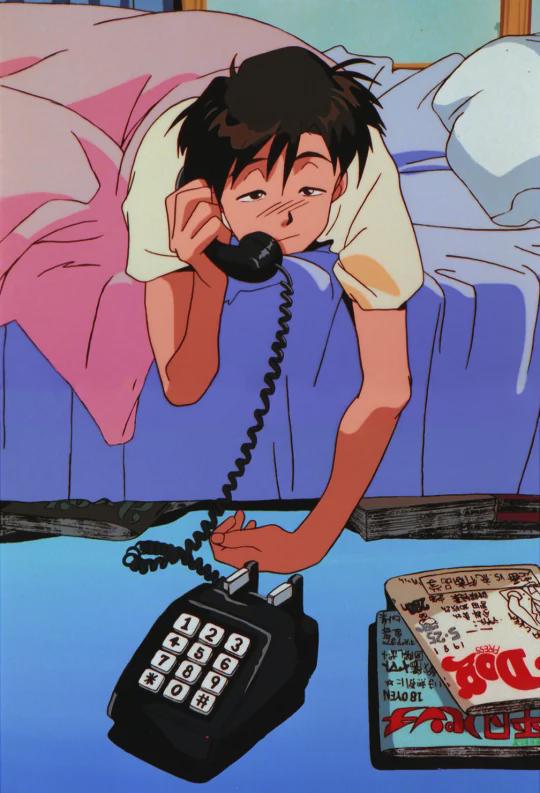
There's a moment in Mighty Space Miners where a massive ship enters the atmosphere, and the entire screen lights up with hand-painted fire, frame after frame of glowing orange and red that took some poor animator an entire week to draw. That's not hyperbole. That's just how it was done. In the 90s, anime studios poured insane resources into hand-drawn detail because they had no choice. Cel animation was the only game in town, and if you wanted a shot to look good, you hired someone to draw it. And draw it again. And again.
But here's the thing: that level of craft wasn't just about artistry. It was about economics and technology colliding in a very specific window of time. And once that window closed, it never reopened.
The Cel Animation Era: Why It Looked So Distinct
Older shows used cel animation most of the time. That's the key fact everyone forgets. Each frame was drawn by hand on transparent sheets (cels) and then photographed over painted backgrounds. The result? A distinct look that's hard to fake digitally. There's a softness to the lines, a warmth to the colors, and a sense of depth that comes from actual physical layers. The 90s aesthetic—those muted palettes, the detailed mechanical designs, the expressive character acting—wasn't an accident. It was the product of a very labor-intensive process.
And yes, many anime studios in the 90s produced highly refined and high-quality shows compared to the offerings of the 70s and 80s. That's nostalgia talking. By the 90s, studios had decades of experience with the cel process, and the economic bubble of the 80s had given them budgets to experiment. The result was a decade of visually stunning works that still hold up today.
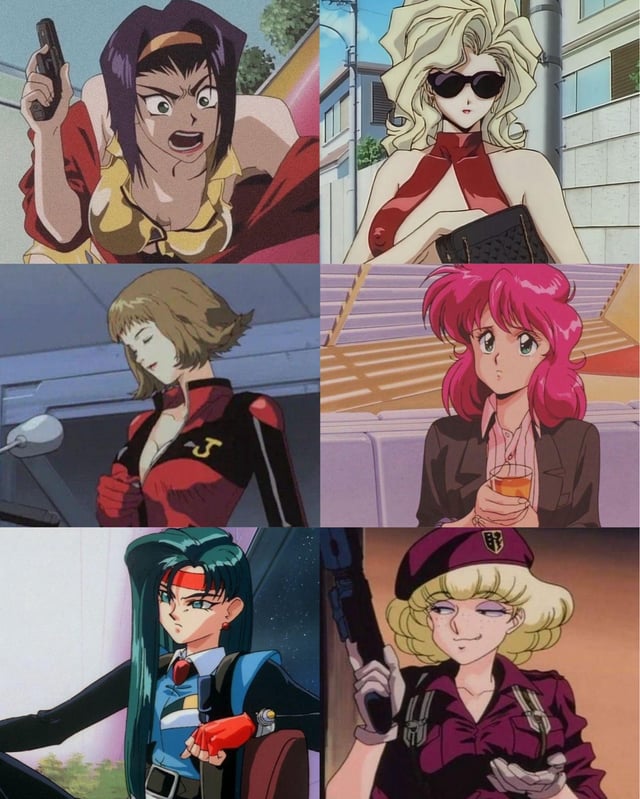
The Digital Switch: Consistency Over Character
Thanks to the switchover to digital animation instead of cel animation, more modern anime tends to look and animate more consistently. That's a quote from a Kanzenshuu forum user, and it's dead on. Digital tools made it easier to correct mistakes, reuse frames, and keep character models on-model. But that consistency came at a cost. The organic imperfections that gave cel animation its charm—the slight wobble in a line, the variation in paint thickness—were gone. Digital anime looks cleaner, but also flatter, more sterile.
And let's be real: the switch wasn't purely an aesthetic choice. It was about money. In Japanese anime nowadays, there's a lot of smart use of CGI to cut down on production cost. Studios realized they could use 3D models for crowd scenes, vehicles, and even entire characters, saving thousands of hours of hand-drawing. The result is that modern anime often feels like a hybrid—hand-drawn characters pasted onto CG backgrounds, with awkward 3D mechs that don't quite blend in. It's efficient, but it's rarely beautiful.
The Economics of Hand-Drawn vs. CGI: The Numbers Are Wild
Here's where it gets interesting. Most big CGI animated movies always cost 7-8 times more than traditional hand-drawn animation. Wait, what? That's the opposite of what you'd expect, right? If CGI is supposed to be cheaper, why are big CGI movies so expensive? Because they're made by Pixar and DreamWorks with budgets in the hundreds of millions. But for TV anime, the math is different. Hand-drawn animation is often more expensive than CGI, but CGI can be more cost-effective in the long run, especially for repetitive tasks. Once you build a 3D model of a robot, you can reuse it in every episode. A hand-drawn robot has to be redrawn every single time it moves.
So the economic incentive for studios was clear: switch to digital and CGI to save money on labor. But the craft suffered. The 90s hand-drawn aesthetic—those lush backgrounds, the intricate mechanical designs, the expressive character animation—became a luxury that few productions could afford. The industry traded artistry for efficiency, and we're still living with the consequences.
What Was Lost (And Can It Be Saved?)
There's a reason people still rewatch 90s anime and marvel at the detail. It's nostalgia. It's the recognition that something genuinely valuable was lost when the industry shifted to digital shortcuts. The hand-drawn era had a tactile quality, a sense of craft that you can feel in every frame. Modern anime is technically impressive, but it often lacks that soul.
But here's the thing: the old ways aren't coming back. The economics don't work. Cel animation is too slow and too expensive for today's production schedules. And yet, there are glimmers of hope. Some studios are experimenting with digital tools that simulate the look of cel animation, and a few indie projects are keeping the flame alive. But it's a niche. The mainstream has moved on.
So is the lost art of 90s hand-drawn anime gone forever? Probably. But that doesn't mean we can't appreciate what we had. And maybe, just maybe, the next generation of animators will find a way to bring back that magic—this time with a digital twist.