
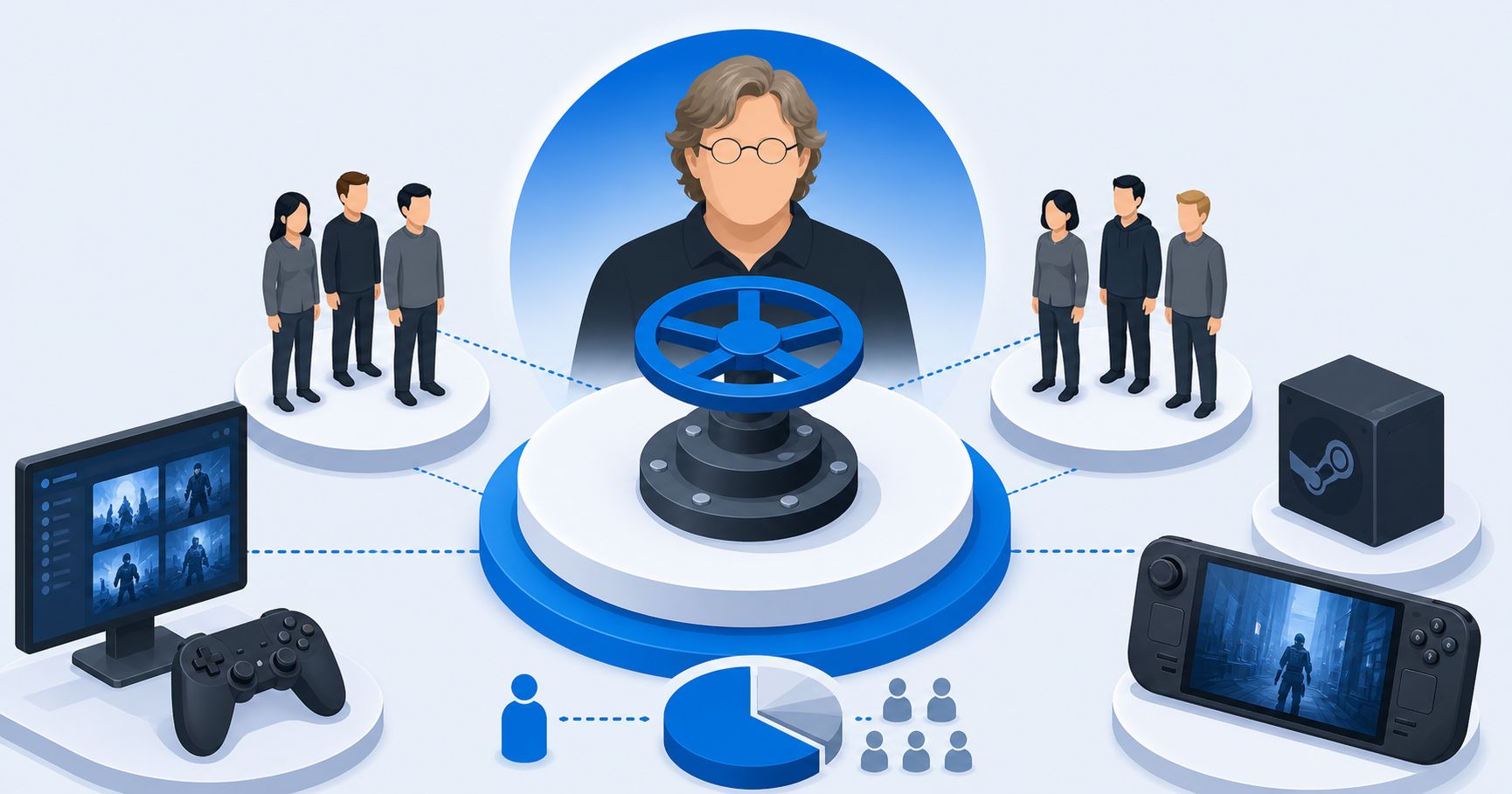
Gabe Newell has never had to answer to a board of shareholders, and it shows. Valve still operates like a billionaire's hobby project that accidentally became the most important company in PC gaming. No quarterly earnings calls. No activist investors demanding a battle royale mode. Just a flat structure, a lot of money, and a man who once said shareholders introduce 'noise' between creators and consumers.
That quote gets passed around Reddit like scripture. It's from a 2011 interview where Newell explained why Valve stays private. The logic is simple: if you're publicly traded, you're not making games for players anymore. You're making them for people who own your stock and have never touched a controller. And those people want one thing—growth, every quarter, forever.
The 'Noise' Problem
When a game company goes public, everything changes. Suddenly there's a new stakeholder in the room: the institutional investor. They don't care about art direction, engine tech, or whether the netcode feels good. They care about return on equity. And the moment your game underperforms, they start asking questions. Why isn't this a live service? Where's the microtransaction roadmap? Why didn't you acquire that mobile studio?
Look at the mess at Ubisoft. Or the chaos at Activision Blizzard pre-Microsoft. Public companies make weird, desperate decisions under shareholder pressure. They chase trends. They greenlight sequels nobody asked for. They dissolve teams that made classics because a spreadsheet said so. And then they wonder why players are angry.
Valve doesn't have that problem. Newell owns the company with a few other long-time employees. There's no stock ticker. No earnings report. No investor call. Just a small group of people who built the company and still make the big calls. They can kill a project after three years because it's not fun. They can sink millions into Linux gaming because they think it matters strategically. They can ship a handheld like the Steam Deck at a loss because it drives Steam sales. Try pitching that to a public board.
What Public Companies Get Wrong
There's data now proving what developers have felt for years. The Game Developer Collective survey found that a big chunk of devs think investors are responsible for the industry's current downturn. Not the players. Not the market. The money people. And it makes sense. When you're answering to shareholders, every decision gets filtered through a lens of 'will this make the stock go up?'
That's how you get crunch. Unrealistic deadlines come from a need to hit a fiscal quarter. Tight budgets come from a need to preserve margins. Economic pressures squeeze the creative life out of a project. And when the game ships broken or boring, everyone blames the developers, but the rot started in the boardroom.
Public game companies are stuck in a cycle. They greenlight safe sequels. They stuff them full of microtransactions. They push for live service models nobody wants. They miss the forest for the trees. Meanwhile Valve just... doesn't do any of that. They haven't made a single-player Half-Life in over a decade. They killed Artifact when it flopped. They abandoned VR when it didn't take off. And yet Steam keeps printing money. The private model lets them be patient. Patient enough to wait for the right moment, the right tech, the right game.
The Valve Paradox
But here's the thing—Valve isn't perfect. Far from it. The same private structure that lets them take risks also lets them ignore customers. Steam support was a joke for years. The store is flooded with asset flips. Customer service is notoriously slow. And the company has a habit of going silent for months. No roadmaps. No updates. Just radio silence until they drop something huge or quietly kill a project.
And then there's the elephant in the room. Half-Life 3. It's been 18 years since Episode 2 ended on that cliffhanger. Fans have memed it into oblivion. But Valve doesn't owe anyone a sequel. That's the private company privilege. No shareholder pressure to exploit a beloved franchise. No quarterly target that requires shipping something. Just a long, quiet wait for a game that might never come. Some fans hate it. Others argue it's exactly why Valve still matters.
Would Valve be better if it were public? Maybe. More accountability, more communication, more games. But would it be better at making the things that made Valve Valve? Doubtful. The Steam Deck wouldn't exist. Proton wouldn't exist. The Index wouldn't exist. All those long bets that require patience and a tolerance for failure would be dead on arrival in a public company.
The Long Game
Newell's philosophy isn't anti-profit. Valve makes an absurd amount of money. Steam takes a 30% cut of most sales. That's billions. But the difference is how that profit gets used. Public companies distribute it to shareholders in dividends and buybacks. Valve reinvests it in weird experiments. Some fail. Some change the industry.
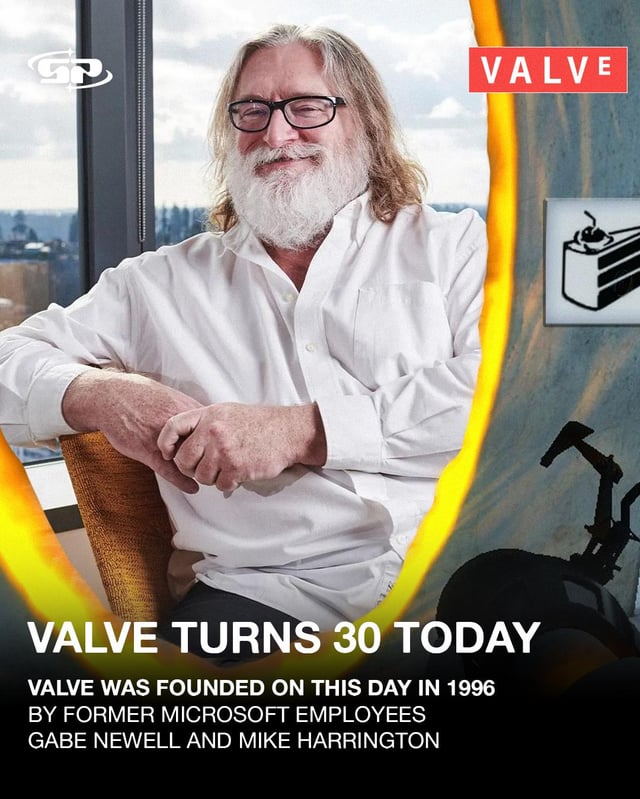
That's the trade-off. Private ownership means less accountability, less transparency, and sometimes less output. But it also means the people making decisions actually understand the product. They're not answering to a hedge fund manager who thinks 'Steam' is a gaming console. They're not pressured to turn every IP into a cinematic universe. They can just make things. Or not make things. And that freedom, weird as it is, has kept Valve relevant for 30 years.
So the next time you see a public game company do something baffling—lay off a whole studio after a hit, cancel a sequel to chase a trend, ship a game full of microtransactions nobody asked for—remember Valve. The company that stayed private on purpose. The company that treats shareholders like the noise they are. And maybe, just maybe, that's the only way to make games that matter.