
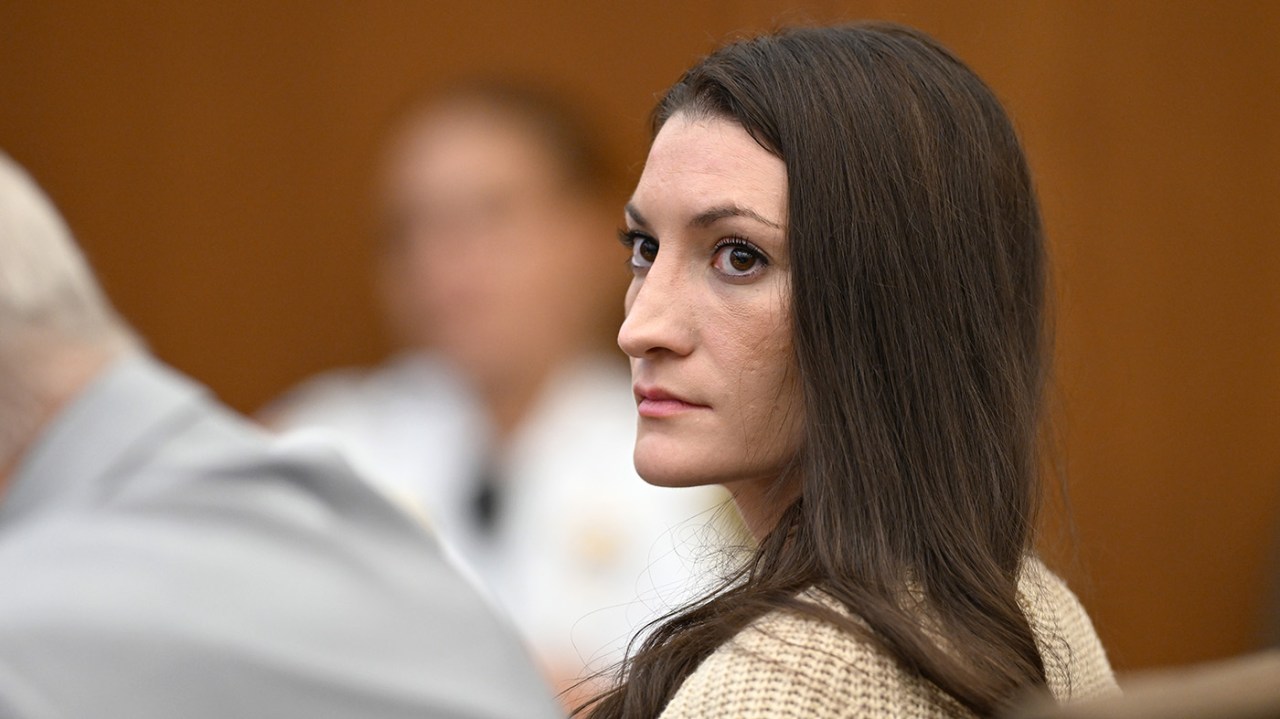
Eleven people walked into a room convinced Lindsay Clancy murdered her three children. One man walked out refusing to say so. That's it. That's the entire trial in a sentence. Two weeks of testimony, a parade of psychiatrists, a mountain of grief so thick you could choke on it. And in the end, one juror named Michael Peguy Desronvil looked at the evidence and said, "I can't do it."
The judge declared a mistrial. The internet lost its collective mind. And Desronvil became the most famous holdout since Henry Fonda in 12 Angry Men, except this isn't a movie. This is a real man who, depending on who you ask, either stood on principle or single-handedly denied a grieving family their shot at justice.
I've been covering courts long enough to know that most trials don't end this way. Most juries cave. The pressure to conform is brutal. Eleven people staring at you, all thinking you're the problem. The foreman sighing. The notes to the judge getting more desperate. Most people, even people who start with doubts, eventually just go along. They tell themselves they're being reasonable. They convince themselves the group is right.
Desronvil didn't. And that's worth understanding.
What Actually Happened in That Jury Room
Here's what we know from the other jurors, who wasted no time telling their side. The holdout, they said, acknowledged he had doubts about the prosecution's case. He couldn't cite specific testimony or evidence to back up his position. One juror told NBC10 Boston, "He had the hardest time getting off the fact that Lindsay viciously killed her children." In other words, he believed she did it. He just couldn't sign off on the legal mechanism that would let her walk.
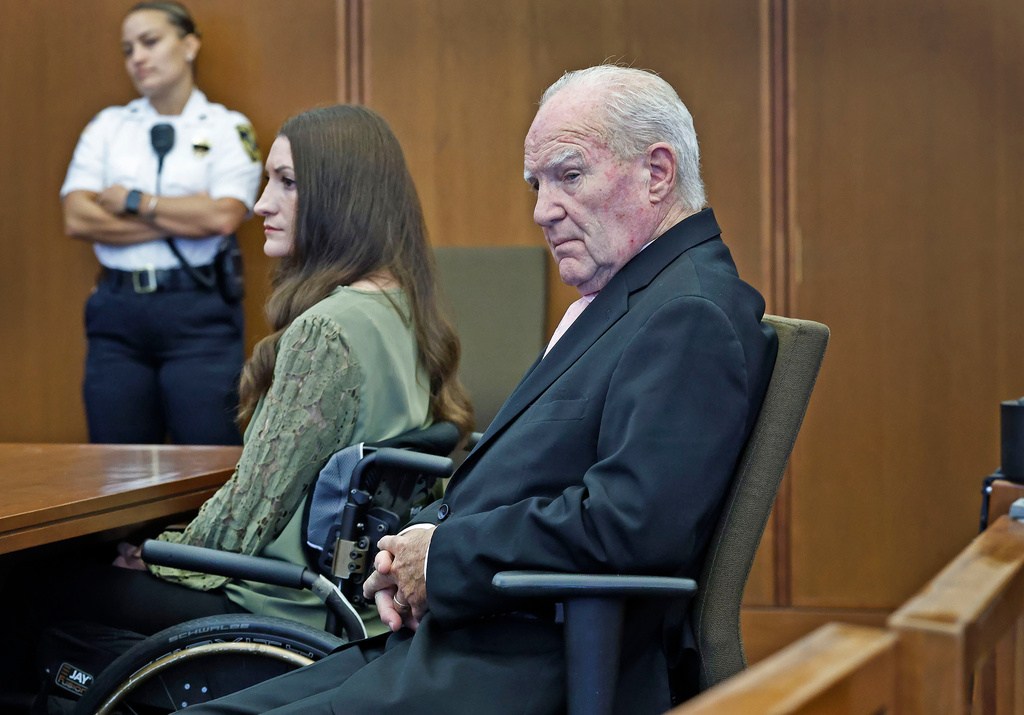
That's the insanity defense in a nutshell. Clancy's lawyers argued she was suffering from postpartum psychosis so severe that she didn't understand what she was doing when she strangled her kids. The prosecution said she was depressed, sure, but not legally insane. She knew right from wrong. She planned it. She did it. Eleven jurors agreed. Desronvil didn't.
And no, he didn't think she was innocent. He just didn't think the prosecution proved she was sane enough to be guilty. That's a distinction most people can't wrap their heads around. It's also exactly the kind of distinction that hangs juries.
The Insanity Defense Is a Legal Mess
Let's be honest about something: the insanity defense barely ever works. Studies put the success rate at around 1%. Juries hate it. They hear "not guilty by reason of insanity" and they think it means the defendant gets a free pass. They don't trust psychiatrists. They don't trust the system. And in a case like this, where the crime is so horrific, the idea that a mother who kills her own children could be "not responsible" feels like a slap in the face.
Dr. Joni Johnston, a forensic psychologist, put it bluntly: "There are people who in their heart believe there's never any reasonable explanation that does not require punishment for somebody who murders their children." That's not a legal argument. That's a gut reaction. And it's powerful.
But here's the thing. Desronvil didn't vote to acquit. He didn't say Clancy was innocent. He just refused to say she was guilty beyond a reasonable doubt. That's not nullification in the classic sense. He wasn't trying to send a message about the law. He was stuck on the evidence, or maybe on the lack of it, or maybe on something else entirely that he hasn't fully articulated.
What we do know is that he's a Black man in a predominantly white, wealthy suburb. And after the mistrial, Clancy's lawyer did something that made my jaw drop: he essentially called for the holdout to be arrested. "You must arrest him!" he reportedly said. That's not a legal argument. That's intimidation. And the fact that Desronvil was doxxed and hounded by other jurors on social media tells you everything about how much we actually value the principle of independent judgment when it doesn't go our way.
Holdouts Aren't Heroes or Villains
The public loves a lone holdout. We romanticize the stubborn juror who stands against the mob. But the reality is messier. Sometimes holdouts are right. Sometimes they're wrong. Sometimes they're just confused. The legal system doesn't actually care about their motivations; it only cares that they exist.
Jury nullification, the practice of a jury ignoring the law because they don't like the outcome, has a long and complicated history. The most famous case is the 1735 trial of John Peter Zenger, a printer charged with seditious libel against the governor of New York. The jury looked at the law, decided the law was garbage, and let him go. It was a foundational moment for press freedom in America. But nullification cuts both ways. Some lawyers will tell you the Karen Read jury was a worse example of nullification than the O.J. Simpson jury, because it was driven by online conspiracy theories rather than any coherent moral reasoning.
Desronvil's holdout isn't exactly nullification, though. He didn't say the law was wrong. He said the prosecution hadn't met its burden. That's a different animal. It's the system working as designed, even if the outcome frustrates everyone involved. The question is whether the system can survive the public's reaction when it does work as designed but produces a result nobody likes.
What Happens Next
The DA has to decide whether to retry Clancy. That decision is political now. If they retry her and get a conviction, they look like heroes. If they retry her and get another hung jury, they look like they're wasting taxpayer money on a case they can't win. If they drop it, they look like they're letting a child killer walk.
There's no good option. That's what happens when a single juror holds the line. The entire system grinds to a halt and everyone starts pointing fingers. But maybe that's the point. Maybe the system is supposed to be hard. Maybe a mistrial isn't a failure but a feature. It's a signal that reasonable people can disagree about something this important, and that disagreement has consequences.
I don't know if Desronvil was right. I don't know if he was wrong. I know he did something almost nobody does: he refused to cave. And whether you think that makes him a hero or a villain probably says more about you than it does about him.
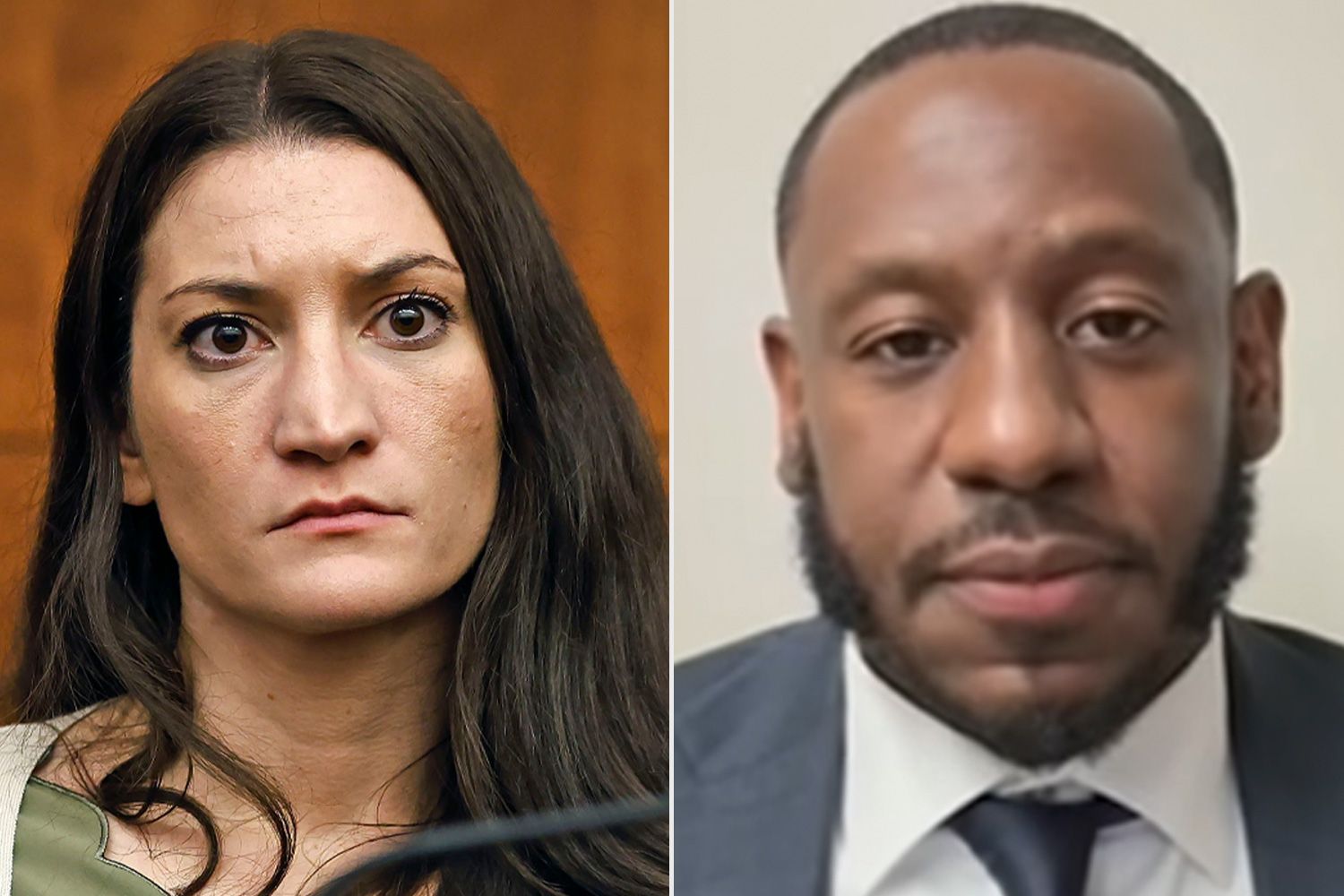
In a few weeks, Desronvil will probably fade from the news. The Clancy case will either go back to trial or quietly disappear. But the question he forced us to confront won't go away: what do we do with a system that depends on ordinary people making impossible decisions? And what do we do when one of them decides to stand alone?