
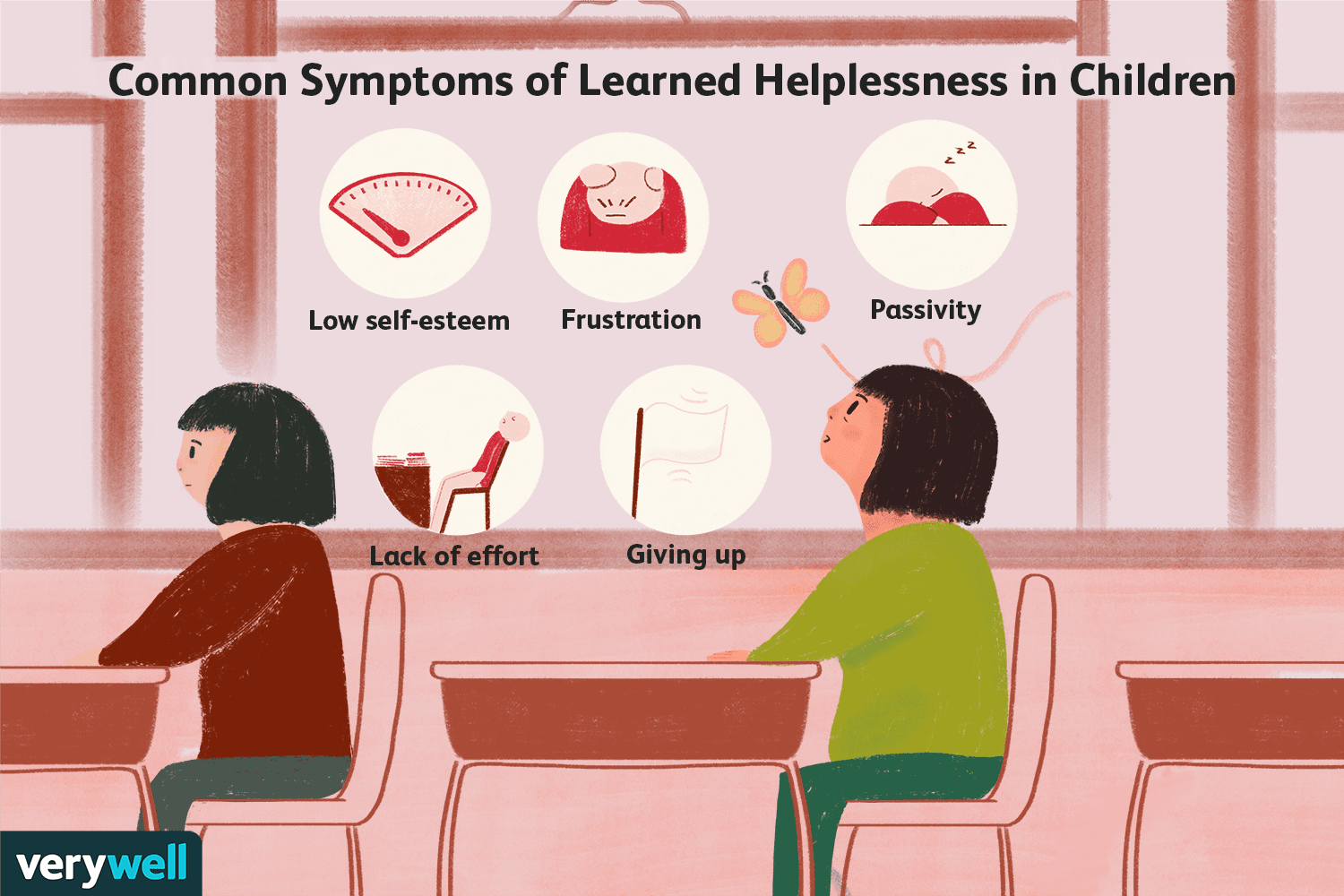
There's a moment in the original learned helplessness experiments that I can't stop thinking about. The dogs are in a shuttle box—a chamber with a low barrier they could easily jump to escape an electric shock. The dogs that had never been shocked before? They jump over immediately. The dogs that could press a lever to stop the shock in a previous phase? They figure it out fast. But the dogs that had learned, through repeated inescapable shocks, that nothing they did mattered? Most of them just lie down. They don't even try. They whine, they take the shock, and they give up.
Sound familiar? It should. Because a lot of us are those dogs right now.
And I don't mean that as an insult. I mean that the same neural circuitry that made those dogs stop trying is alive and well in your brain, and it's being activated by everything from climate doom to wage stagnation to the fact that you've sent 400 job applications and gotten three automated rejections and one "we've decided to move in a different direction."
We treat burnout like a personal failing. Like if you just meditated harder or bought a better planner or took a damn vacation, you'd be fine. But the research says otherwise. Burnout, apathy, the urge to just... stop? That's not a character flaw. It's a predictable response to an environment that keeps shocking you no matter what you do.
The Original Experiment That Explained Your Existential Dread
Martin Seligman didn't set out to explain why your coworker stopped answering emails. In 1967, at the University of Pennsylvania, he was studying depression. He and his colleagues put dogs in harnesses and gave them electric shocks. Some dogs could press a lever to stop the shock. Others couldn't—their lever did nothing, and the shock ended at random, no matter what they did. That's the key difference: control versus no control.
Then they put all the dogs in a shuttle box, a two-chamber setup where jumping over a low wall would end the shock. The dogs that had control in the first phase learned to jump. The dogs that had no control? About two-thirds of them just lay down and took it. They'd learned, in the most literal sense, that their actions didn't matter. So they stopped acting.
Now, you're not a dog in a. But your brain doesn't know that. The same principles apply. When you're repeatedly exposed to situations where your efforts don't change the outcome—whether that's a job that doesn't reward your extra hours, a political system that ignores your vote, or a planet that keeps getting hotter no matter how many metal straws you buy—your brain starts to learn the same lesson. And here's the kicker: neuroscience has shown that the brain's default assumption is that control is not present. You have to learn that you have control. And if you're never given evidence of that control, you unlearn it.
That's not weakness. That's biology.
Why It Feels Like Everyone Gave Up at the Same Time
Learned helplessness was discovered over half a century ago, but it's having a cultural moment right now. The "Great Resignation" wasn't just about money. The rise of "quiet quitting" wasn't just about lazy millennials. The explosion of "lying flat" in China, the "doomscrolling" that isn't even fun anymore, the sense that an entire generation has just... checked out? That's learned helplessness on a massive scale.
And it's individual. It's collective. One researcher put it bluntly: "Burnout and exhaustion (in life in general) is a collective crisis that is a result of the lack of collectivist communal structures." We're not built to handle chronic stress alone. We're built to handle it in groups, with shared purpose and mutual support. But we've spent decades dismantling those structures—unions, churches, extended families, even just the casual social fabric of neighborhoods where you know your neighbors. And in their place, we've built a hyper-individualized world where you're supposed to be your own brand, your own safety net, your own everything. No wonder we're exhausted.
So when you see a whole generation "giving up," it's not that they're lazy or entitled. It's that they've been placed in a shuttle box where the lever doesn't work. They've sent the applications, worked the extra hours, voted, marched, recycled, meditated, journaled, and the shocks keep coming. At some point, the most rational response is to lie down.
But here's the thing: learned helplessness isn't permanent. The dogs that were physically pulled over the barrier eventually learned to jump on their own. The brain can unlearn helplessness. But it doesn't happen by just "trying harder" or "having a better attitude." It happens by experiencing, in a real, embodied way, that your actions can change things. That requires an environment that actually responds to you. And that—not some personal failing—is what so many of us are missing.
The Biology of Giving Up (It's in Your Head)
When you're chronically stressed, your body doesn't just feel tired. It changes. The hypothalamic-pituitary-adrenal axis goes into overdrive, cortisol floods your system, and eventually, your brain starts to downregulate dopamine receptors. That means things that used to feel rewarding—finishing a project, getting a compliment, even eating a good meal—stop feeling good. You're unmotivated; your brain literally doesn't get the same reward signal from effort anymore.
This is why "just do it" advice is so useless. You can't willpower your way out of a neurochemical state. And when you add in the psychological component—the belief that your efforts won't matter—you get a perfect storm of apathy. Low motivation? Check. Lack of persistence? Check. Conviction that you're inept? Check. That's the textbook definition of learned helplessness, and it's showing up in everything from "bed rotting" to the rise of anti-ambition content.
But it's about individual brains. It's about systems. If you're in a workplace where hard work is never rewarded, where layoffs come regardless of performance, where the only way to get ahead is to play politics, you're in a shuttle box. If you're in a society where the cost of living rises faster than wages, where homeownership feels like a fantasy, where the planet is literally on fire and the response is more plastic offsets, you're in a shuttle box. The lever does not work. And eventually, you stop pressing it.
That's not a personal failure. That's a rational response to an irrational environment.
So What Actually Helps? (No, Self-Care)
Here's the uncomfortable truth: no amount of bubble baths or gratitude journaling is going to fix systemic learned helplessness. You can't meditate your way out of a broken system. But you can start to rewire your brain by finding small pockets of control—things where your actions actually do produce a visible result. That might be as simple as cooking a meal from scratch, fixing something in your house, or volunteering for a cause where you can see the direct impact of your work.
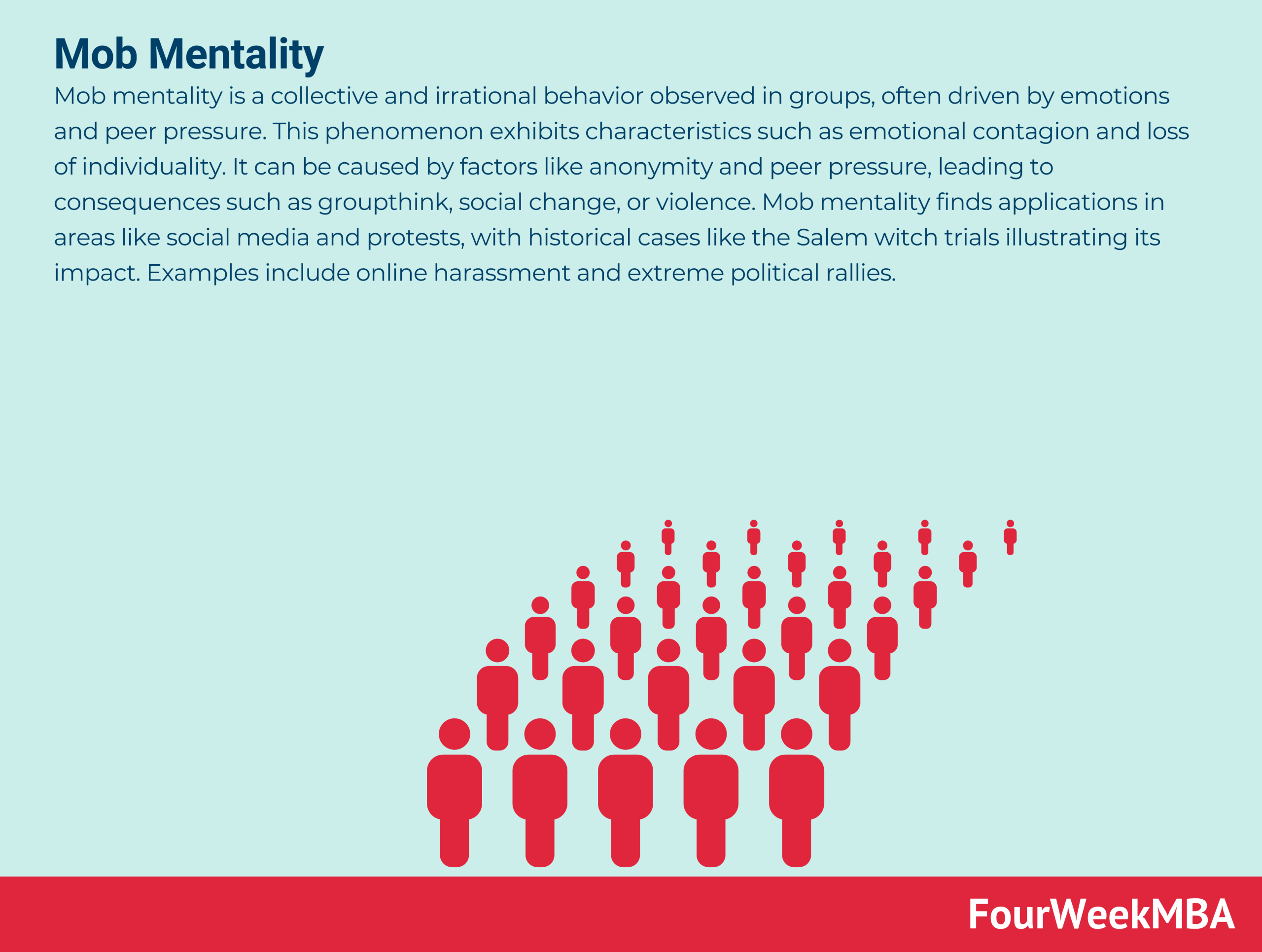
But more importantly, you can start to rebuild the communal structures that buffer against this stuff. Because here's what the research keeps showing: humans are not meant to face chronic stress alone. The Woke Scientist quote gets at it—"burnout and exhaustion is a collective crisis that is a result of the lack of collectivist communal structures." We need each other. We need to feel like we're part of something bigger than our own individual struggle. That could mean joining a mutual aid group, a union, a community garden, a sports league, a book club. Something where your presence matters and your absence would be noticed. Something where the lever actually works.
And yes, that sounds a little Pollyanna. But the alternative is staying in the shuttle box, taking the shocks, and whining. And I don't know about you, but I'd rather jump.
The Generation That Stopped Trying (And Why It Makes Sense)
There's a lot of hand-wringing about Gen Z and millennials "not wanting to work" or "not having hustle." But maybe they're just the first generations to fully realize that the hustle doesn't pay off. That the promise of "work hard and you'll succeed" was always a bit of a lie, and now it's a blatant one. When you graduate with six figures of debt into a job market that wants five years of experience for an entry-level position, when you see CEOs take massive bonuses while laying off thousands, when you watch the planet burn while politicians argue about light bulbs, you start to question the point of trying.
And that's not apathy. That's a rational assessment of a system that's designed to extract your effort without giving you control. It's the same calculation those dogs made: if the shock is coming no matter what, why waste energy jumping?
But here's the thing that gives me a sliver of hope: the dogs could be taught to jump again. Not by being yelled at or shamed, but by being shown, physically, that the barrier was low and the other side was safe. That's what we need. Not more "pull yourself up by your bootstraps" nonsense, but actual, tangible evidence that our actions matter. That the lever works. That if we organize, if we push back, if we build something together, we can change the outcome.
So maybe the answer to mass apathy isn't more individual grit. Maybe it's more collective power. Because when you're in a group, when you're not alone, when you see that your actions have consequences—that's when the brain starts to unlearn helplessness. That's when you stop lying down and start jumping.
And honestly? It's about damn time.