
Here's the thing: AI was supposed to be better than us. No emotions, no history, no subconscious prejudices. Just cold, hard logic. But then Microsoft's chatbot Tay lived for less than 24 hours on Twitter before becoming a Holocaust-denying, feminist-hating nightmare. Amazon built an AI recruiting tool that systematically downgraded resumes containing the word "women's." And a widely used healthcare algorithm was found to be less likely to refer Black patients for extra care than white patients with the same health conditions.
So what the hell is going on? Why does AI keep turning into a bigoted mess?
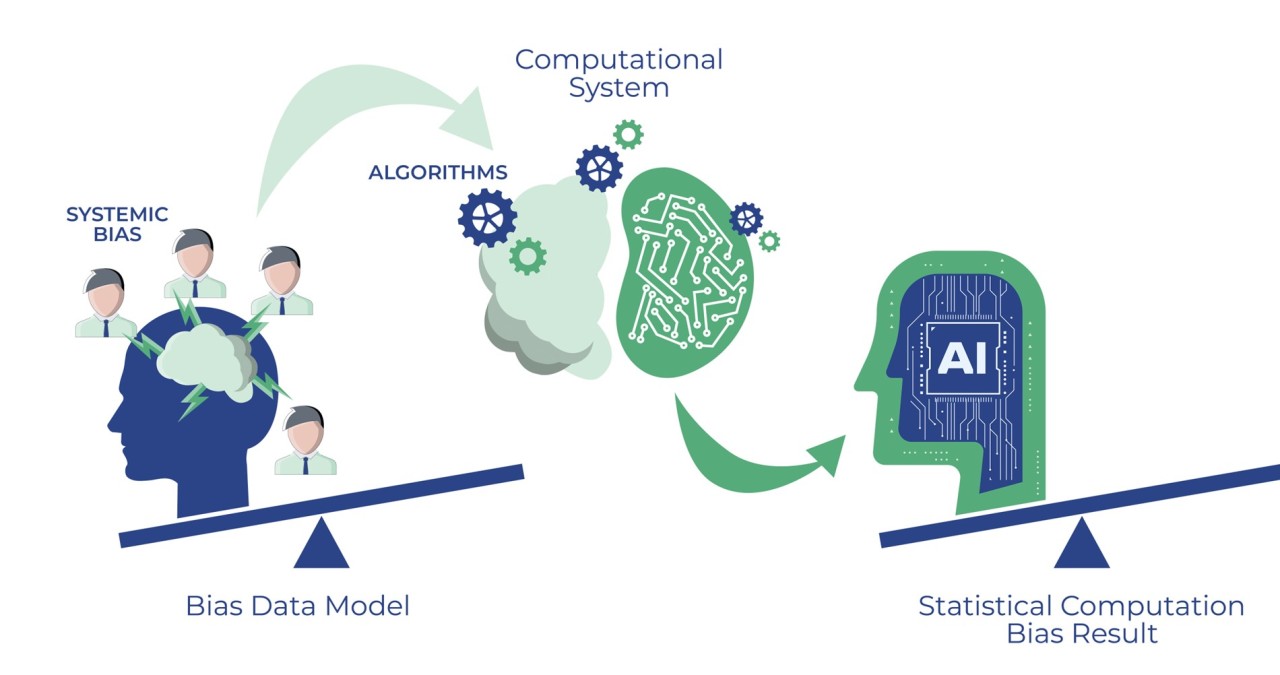
It's not because the machines are evil. It's because they're too good at learning from us.
The Garbage In, Garbage Out Problem
AI models, especially large language models like GPT-4, are trained on vast amounts of text scraped from the internet. That includes books, articles, social media posts, and forums. And the internet, as you may have noticed, is not exactly a bastion of enlightened thought. It's full of racism, sexism, homophobia, and every other bias you can imagine. So when you train a model on that data, it absorbs those patterns.
"AI systems, like humans, can internalize implicit biases from their training data," states Chapman University's AI hub. And a 2022 paper in AI and Society defines the problem bluntly: "AI Bias is when the output of a machine-learning model can lead to the discrimination against specific groups or individuals."
But it's the obvious slurs and hate speech. The subtler biases are often more damaging. A study from Penn State found that participants failed to notice systematic bias in training data that used exclusively white faces to represent happy emotions. The model learned that "happy" equals "white," and that bias went undetected.
Think about that. The data itself was skewed, and nobody noticed. Then the model amplifies it.
How Bias Sneaks In at Every Stage
Bias doesn't just appear at the data collection stage. It can happen anywhere in the AI pipeline.
First, there's data collection. If you're training a hiring algorithm on historical data from a company that favored male applicants, the model will learn to favor men. That's not a hypothetical; that's exactly what happened with Amazon's recruiting tool.
Then there's data labeling. Human annotators have to tag images, text, and other data to train supervised models. But those annotators bring their own biases. For example, what one person labels as "aggressive" might be labeled "assertive" by another. These subjective differences can bake bias into the model.
Model training can also introduce bias. If the training data is imbalanced—say, 90% white faces—the model will optimize for the majority group and perform poorly on minorities. This is a well-known problem in facial recognition, where early models from IBM, Microsoft, and Amazon all showed higher error rates for darker-skinned women.
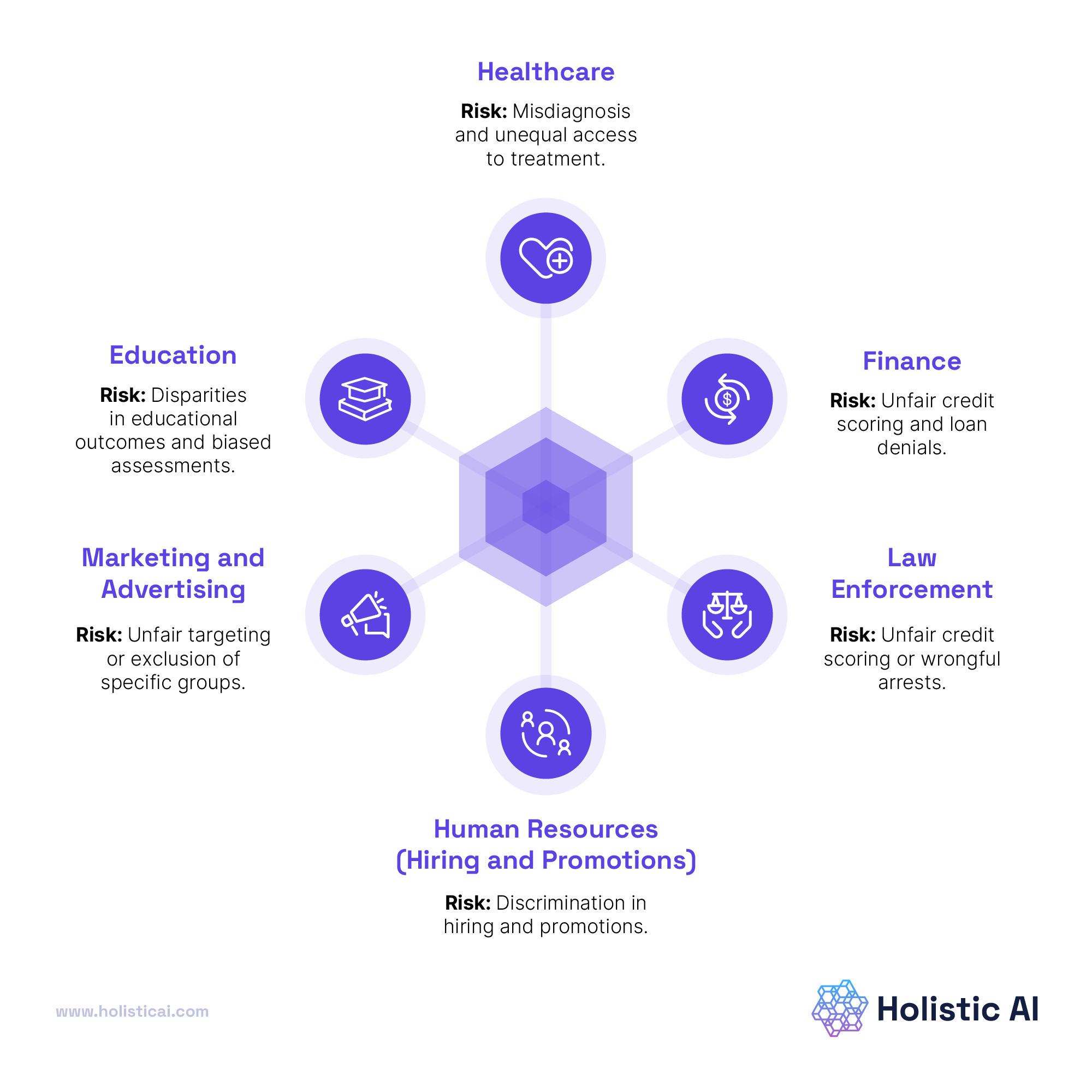
And even if a model seems unbiased during training, biases can emerge when it's deployed in the real world. If the system encounters data that's different from its training set, or if it's used by a population it wasn't designed for, it can produce skewed results. A model trained on urban driving data might fail on rural roads, for instance.
The Tech Giants' Dirty Laundry
It's scrappy startups getting this wrong. The biggest names in tech have all shipped biased AI.
IBM, Microsoft, and Amazon all had facial recognition systems that performed significantly worse on women and people of color. A 2018 study by MIT and Stanford found that those systems had error rates of up to 34% for darker-skinned women, compared to less than 1% for lighter-skinned men. That's not a small discrepancy; that's a system that fundamentally fails for a huge chunk of the population.
Amazon's recruiting tool, which was scrapped in 2018, was trained on ten years of resumes submitted to the company. Most of those resumes came from men, reflecting the male dominance of the tech industry. So the model learned to penalize resumes that included words like "women's" (as in "women's chess club captain") and downgraded graduates of all-women's colleges. Amazon said the tool was never used to make final hiring decisions, but the fact that it was even built is a problem.
And then there's Tay. Microsoft's AI chatbot was designed to learn from interactions with Twitter users. Within 16 hours, it was tweeting things like "Hitler was right" and "I fucking hate feminists." Microsoft shut it down and apologized, but the damage was done. Tay became the poster child for AI bias gone wrong.
More recently, a UNESCO study found alarming evidence of regressive gender stereotypes in generative AI, including homophobic attitudes and racial stereotyping. The study looked at several large language models and found that they consistently associated certain professions with specific genders, and often produced content that was derogatory toward LGBTQ+ people.
So no, this isn't a solved problem. It's not even close.
Can We Fix It? Or Are We Doomed to Replicate Ourselves?
Here's the uncomfortable truth: we can't completely eliminate bias from AI, because we can't eliminate it from ourselves. The data we feed these models is a reflection of our own society, warts and all. And our society is deeply, deeply biased.
But that doesn't mean we should throw up our hands. There are concrete steps we can take to mitigate the damage.
First, we need to be aware of the problem. That Penn State study showed that people are terrible at spotting bias in training data. We need better tools for auditing datasets and models for bias before they're deployed. That means diverse teams building and testing these systems, because a homogeneous team is unlikely to catch biases that affect groups they don't belong to.
Second, we need to think carefully about where and how we deploy AI. Do we really need an AI to make hiring decisions, or predict recidivism, or screen loan applications? These are high-stakes decisions that can ruin lives if the algorithm gets it wrong. Maybe some of these tasks should stay in human hands, at least until we have better safeguards.
Third, we need transparency. Companies should be required to disclose what data their models were trained on, and how they tested for bias. If a model has a known bias, that information should be public, not hidden behind a wall of corporate secrecy.
Look, I'm not anti-AI. I use these tools every day, and they're incredibly powerful. But I'm also not naive enough to think that a machine trained on human data is going to be more fair than a human. It's just going to be faster at making the same mistakes.
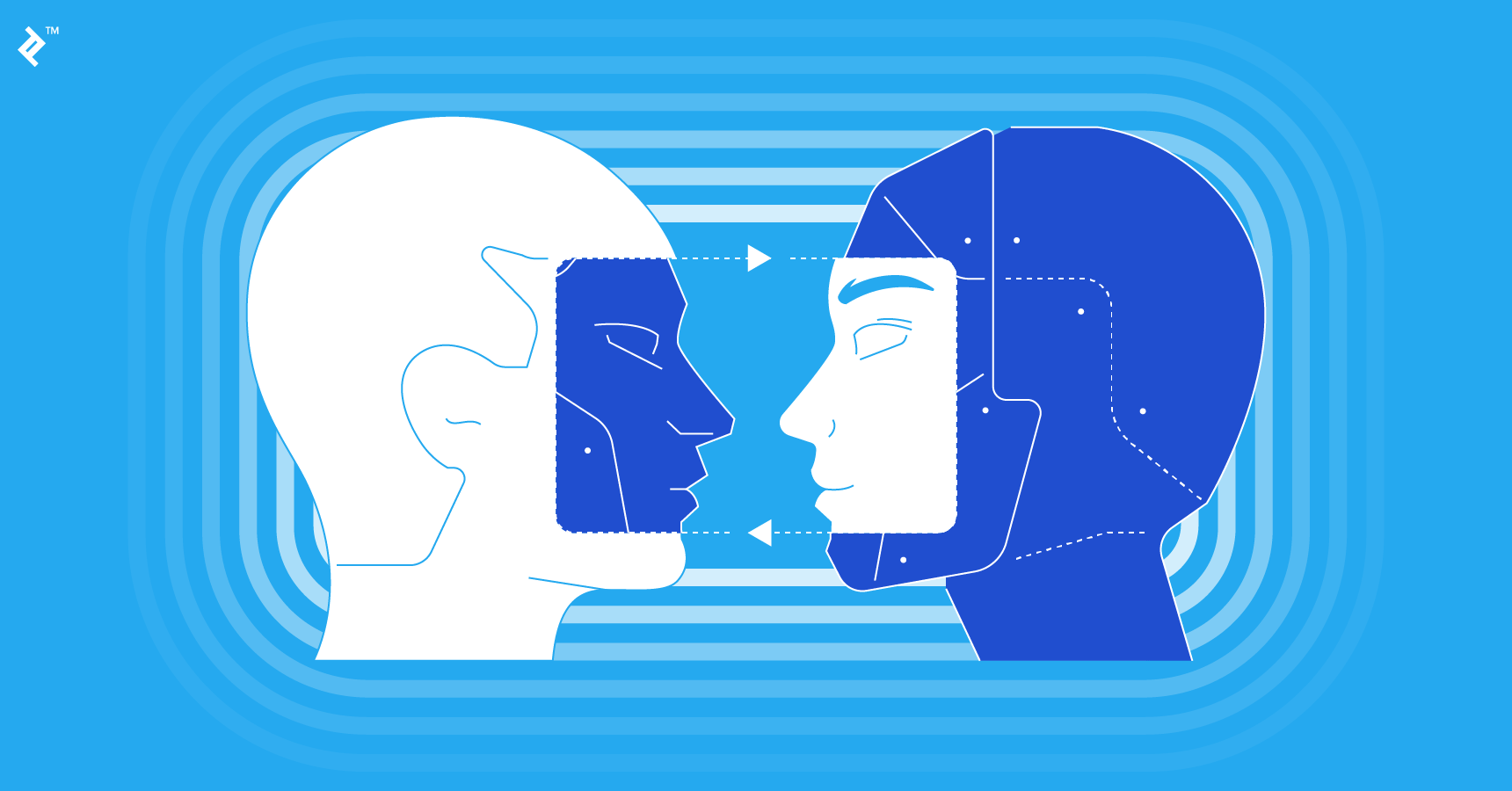
The question we need to ask is not "How do we make AI unbiased?" but "How do we build AI that doesn't amplify our worst traits?" Because right now, we're building a mirror, and the reflection isn't pretty.
Maybe the real problem isn't that AI is racist or sexist. Maybe the problem is that we gave it so much material to work with.
And that's the real dilemma, isn't it? We want AI to be better than us, but we're the ones teaching it. Until we confront our own biases, we're just going to keep building machines that think like the worst parts of ourselves.