
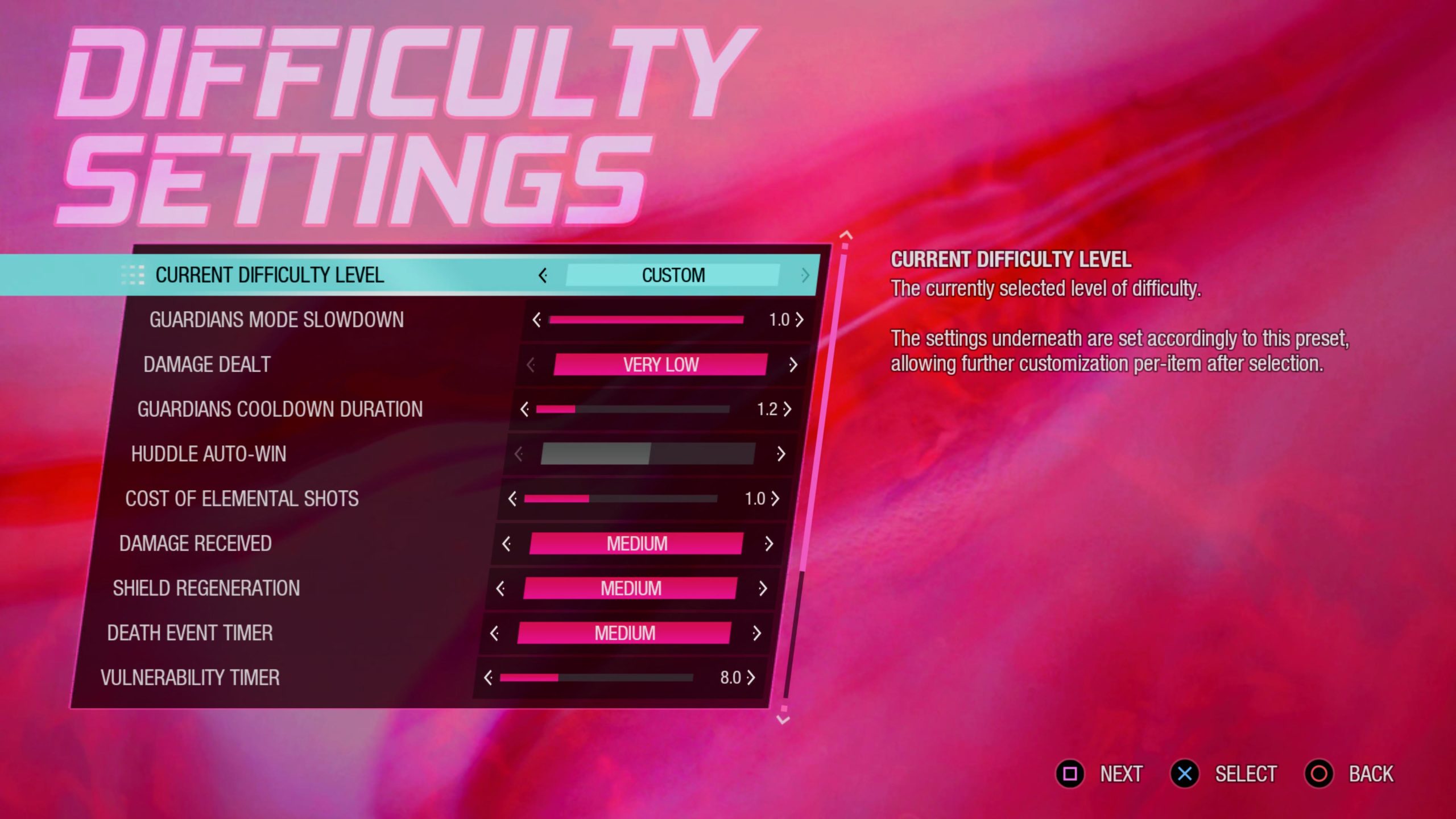
The first time I saw someone get genuinely angry about an easy mode, I thought it was a bit. A grown adult, red in the face, arguing that adding a "story mode" to a game would ruin it for everyone. That was a decade ago. The debate hasn't gotten any smarter since.
Video game difficulty has always been a weird battleground. It's not really about the games, is it? It's about identity. If you beat Dark Souls on hard, you're a certain kind of player. If you need a game to hold your hand, you're another. And the hardcore crowd has spent years making sure you know which one is better.
But the truth is messier than that. Difficulty settings have a real history, and they've never been as simple as "easy for babies, hard for real gamers." They're a design tool, an accessibility feature, and a cultural flashpoint all at once.
A Brief History of Dying on Purpose
Difficulty settings didn't start with arcades, but that's where they got their reputation. Arcade machines were designed to kill you quickly so you'd pump in more quarters. The difficulty wasn't about fairness; it was about revenue. When consoles brought games home, that model didn't make sense anymore. You'd already paid for the game. Why would you want it to be brutal?
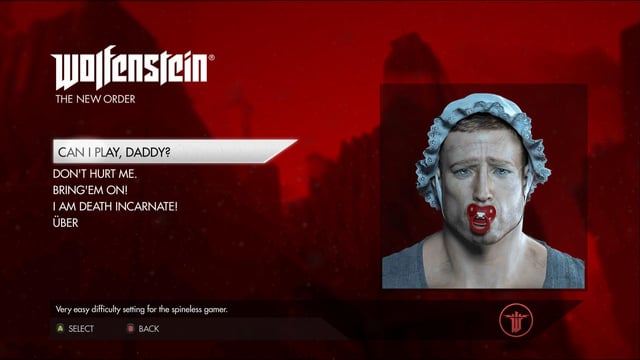
So developers added options. Ninja Gaiden had difficulty levels. Doom had "I'm Too Young to Die" and "Nightmare." For years, that was just how it was. You picked a difficulty, you played, you moved on. Nobody threw a fit.
Then FromSoftware happened.
Elden Ring and the Cult of Shared Suffering
When Elden Ring came out in 2022, it sold 12 million copies in three weeks. It also reignited the easy mode debate with the force of a thousand angry Twitter threads. The game is hard. Unapologetically, deliberately hard. And for a certain type of player, that's the entire point.
"Videogames are always about progression, and one of the major forms of that is with increasing the difficulty throughout a title," wrote a designer in a Game Developer piece on the topic. For Souls fans, the difficulty isn't an obstacle to fun—it is the fun. It's the shared experience of failure and eventual triumph that binds the community together.
Add an easy mode, the argument goes, and you dilute that. You let people opt out of the very thing that makes the game meaningful. "Easy mode is often seen as a way of copping out and playing the game without dedicating effort to it, which can be seen as disrespect to the game," as one Reddit user put it. That's the core of the hardcore stance: playing on easy is a moral failure. It's cheating, even when it's built into the game.
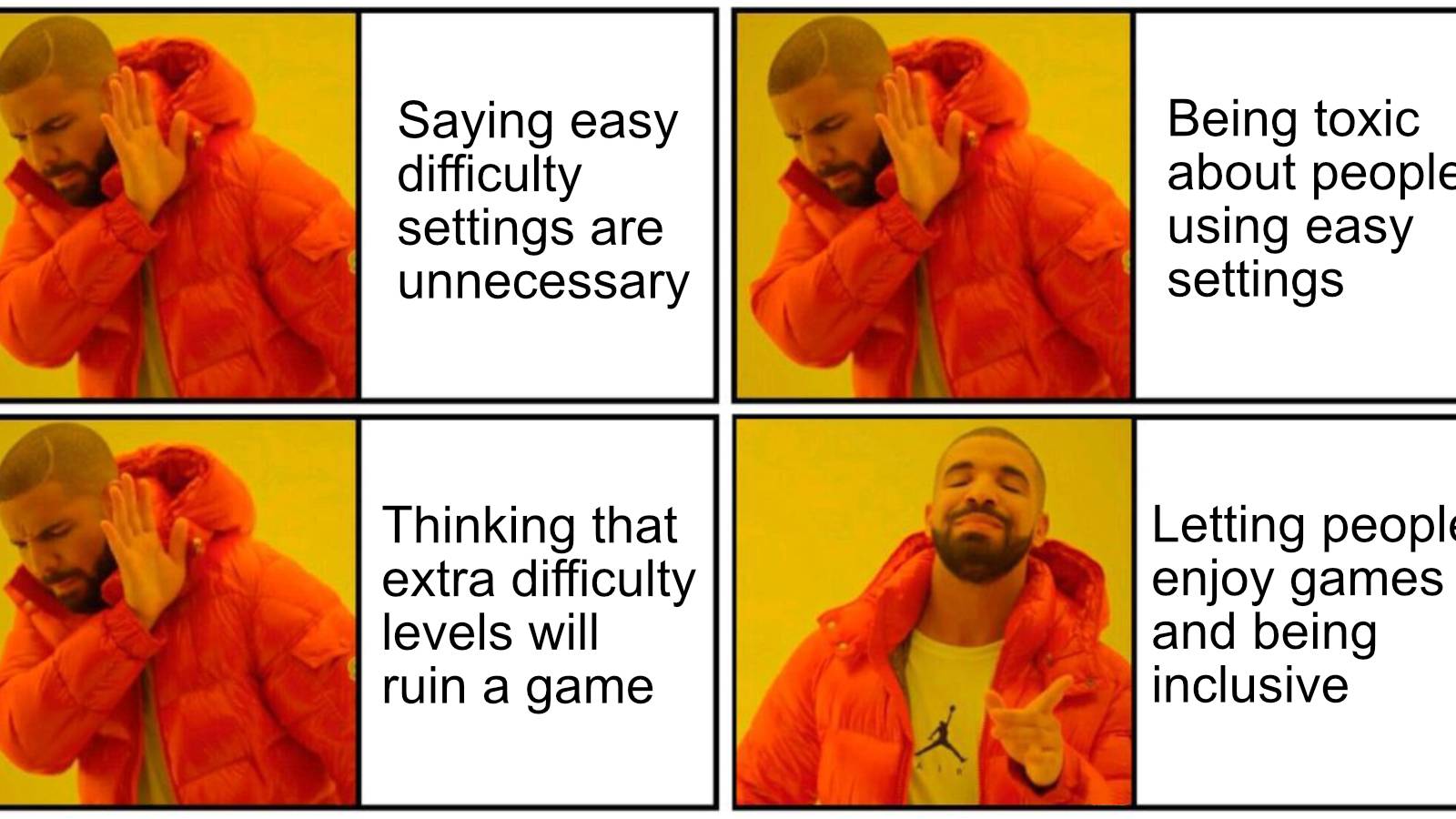
But here's the thing. Not everyone who wants an easy mode is lazy or unskilled. Some people have disabilities that make precise timing impossible. Some people have jobs and kids and maybe an hour a week to play. Some people just don't find joy in dying to the same boss forty times. And that's fine. "Difficulty Is Not Universal," IGN's accessibility editor wrote. "Most games are inherently designed to offer a challenge that gives players a sense of accomplishment." But what's challenging for one person is insurmountable for another.
Celeste and the Assist Mode That Changed Everything
In 2018, Celeste did something radical. It included an "Assist Mode" that let players slow the game speed, become invincible, or skip chapters entirely. The developers at Maddy Makes Games didn't frame it as an easy mode. They framed it as accessibility.
"Access difficulty is how the authors describe the challenges created in a game specifically due to inaccessibility, which are different from the challenges a game intends," reads a report from the University of Washington. Celeste's assist mode acknowledged that some players can't react as quickly or see as clearly, and it gave them tools to adjust the experience without shaming them.
The result? Celeste was praised by both hardcore platformer fans and accessibility advocates. It proved you can have a brutally difficult game and still welcome players who need a different path. The hardcore crowd didn't riot. In fact, many of them used assist mode to practice sections they were stuck on.
But not every game can pull that off. "Where critics come in is the fact that difficulty settings don't work for a lot of titles, and can cause more harm than good in some cases," according to Game-Wisdom. Some games are designed around a single, finely tuned experience. Add a slider, and you might break the balance or lose the artistic vision.
The Last of Us Part II and the Accessibility Arms Race
Naughty Dog's The Last of Us Part II took accessibility to a new level in 2020. The game launched with over 60 accessibility options, including text-to-speech, high contrast modes, and the ability to skip puzzles. It also had multiple difficulty levels and a "custom" setting that let you tweak everything from enemy aggression to resource scarcity.
That's the model that works: separate accessibility from difficulty. Accessibility options remove barriers that have nothing to do with skill. Difficulty options adjust the challenge for players who want more or less resistance. They're related, but they're not the same thing. "Often what many consider 'easier' are actually accessibility options to make the game more manageable," as Can I Play That? put it.
But the debate rages on because some players refuse to accept that distinction. They see any reduction in difficulty as an insult. They mock easy mode players on forums and in YouTube comments. "People see easy mode as a way of copping out and playing the game without dedicating effort to it," as one Redditor said. It's not about the game, really. It's about ego.
Why Japanese Studios Are Getting Called Out
It's no secret that Japanese developers have been slower to embrace accessibility features. FromSoftware's games are the poster child for "no easy mode," but they're not alone. Sekiro, Bloodborne, and even Nintendo's Zelda games often lack the options found in Western AAA titles.
"Japanese studios are singled out as needing to provide accessibility features, even if not every game needs difficulty settings," as one Reddit thread on the debate noted. The reasoning is simple: if you want your game to be played by the widest possible audience, you need to design for that audience. And that means including options for people who can't play the default way.
But there's a counterargument. Some Japanese developers see their games as artistic statements. The difficulty is intentional, not a bug. Adding an easy mode would be like adding a "skip the sad parts" button to a tragic movie. You could do it, but it would undermine the work.
That's a fair point. But it ignores the fact that games are interactive. Unlike a movie, a game requires input from the player. If the player can't physically provide that input, the artistic vision never reaches them. Accessibility isn't about making the game easier. It's about making the game playable.
The Nerf Problem No One Talks About
Here's a dirty little secret: blocking easy modes doesn't always protect the "pure" experience. Sometimes it backfires. When developers refuse to add an easy mode, they often end up nerfing the default difficulty instead.
"By blocking easy modes, you are creating the situation where the nerfs HAVE to happen on the default difficulty instead of just happening on an easier mode," one Steam user wrote in a discussion about Elden Ring. That's exactly what happened with Radahn. The boss was notoriously difficult at launch, and FromSoftware nerfed him in a patch. The hardcore players were furious. But if there had been an easy mode, the nerf might not have been necessary. The players who wanted an easier fight could have opted in, while the masochists kept the original challenge.
So the anti-easy-mode stance can actually hurt the very players it's meant to protect. It's a classic case of cutting off your nose to spite your face.
And look, I get it. I've been that person who feels a smug sense of superiority after beating a hard game. There's a rush that comes from overcoming something that seemed impossible. But that rush doesn't belong to me alone. It belongs to anyone who wants it, and easy modes don't take it away from me. They just give other people a different path.
The best games of the last few years understand this. Hades has a "God Mode" that makes you tougher with each death, and nobody complained. Control lets you tweak damage and energy regen. Psychonauts 2 has an invincibility toggle. These games are all critically acclaimed, and they all trust players to choose their own challenge.
So the next time someone tells you they beat Elden Ring on easy mode, don't laugh. Ask them what they enjoyed about it. Because, that's what matters. Not the number of deaths or the bragging rights. Just the experience.
The debate over easy modes will probably never end. There will always be gatekeepers who think difficulty is a virtue and accessibility is a weakness. But the games themselves are getting better at accommodating everyone. And that's something worth celebrating, even if it means swallowing your pride and admitting that sometimes, easy is okay.