
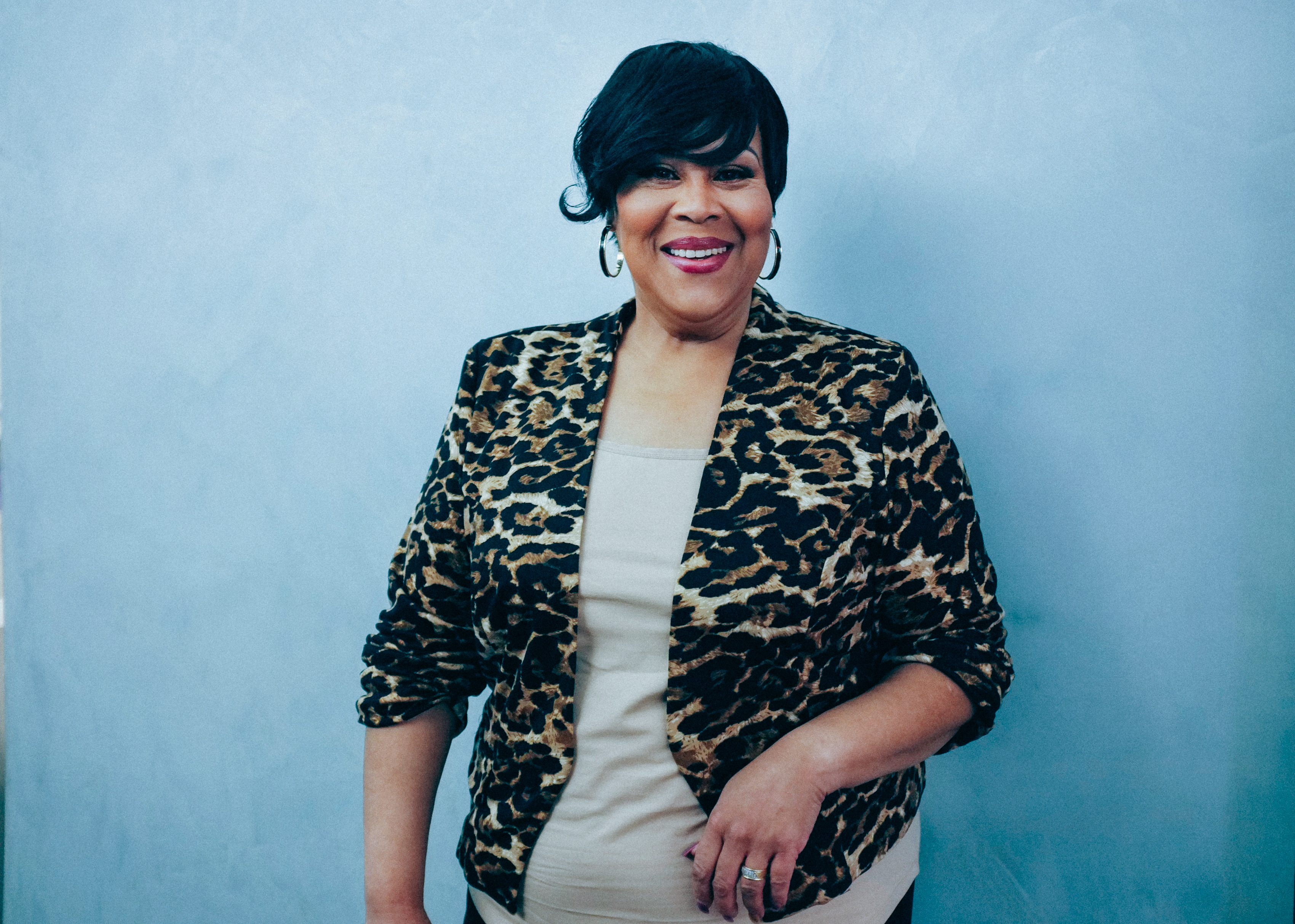
There's a moment in the video for C+C Music Factory's 'Gonna Make You Sweat (Everybody Dance Now)' where the camera cuts to a slim, gorgeous woman belting the chorus. Her mouth moves perfectly, her energy is electric, and you think, damn, she can sing. Except she can't. Or at least, that's not her voice. The actual voice belongs to Martha Wash, a plus-size Black woman who was never in the video, never credited on the single, and never paid a dime in royalties for a song that sold millions of copies.
It's one of the most blatant cases of vocal erasure in pop music history. And the wild part? It wasn't even the first time it happened to Wash.
The Voice Behind the Hits
Before 'Everybody Dance Now' became a global smash, Martha Wash was already a dance music legend. She got her start in the late 1970s as half of Two Tons O' Fun, singing backing vocals for disco icon Sylvester on his signature hit 'You Make Me Feel (Mighty Real)'. That voice—powerful, soulful, unmistakable—was her ticket. She and partner Izora Armstead later became The Weather Girls, scoring a massive hit with 'It's Raining Men' in 1982. By the late 1980s, Wash was a sought-after session vocalist in the burgeoning house music scene. Her pipes could turn a generic dance track into a club anthem.
But here's the thing about the music industry: it has always been obsessed with image over substance. And in the early '90s, that obsession reached a fever pitch.
The Erasure of Martha Wash
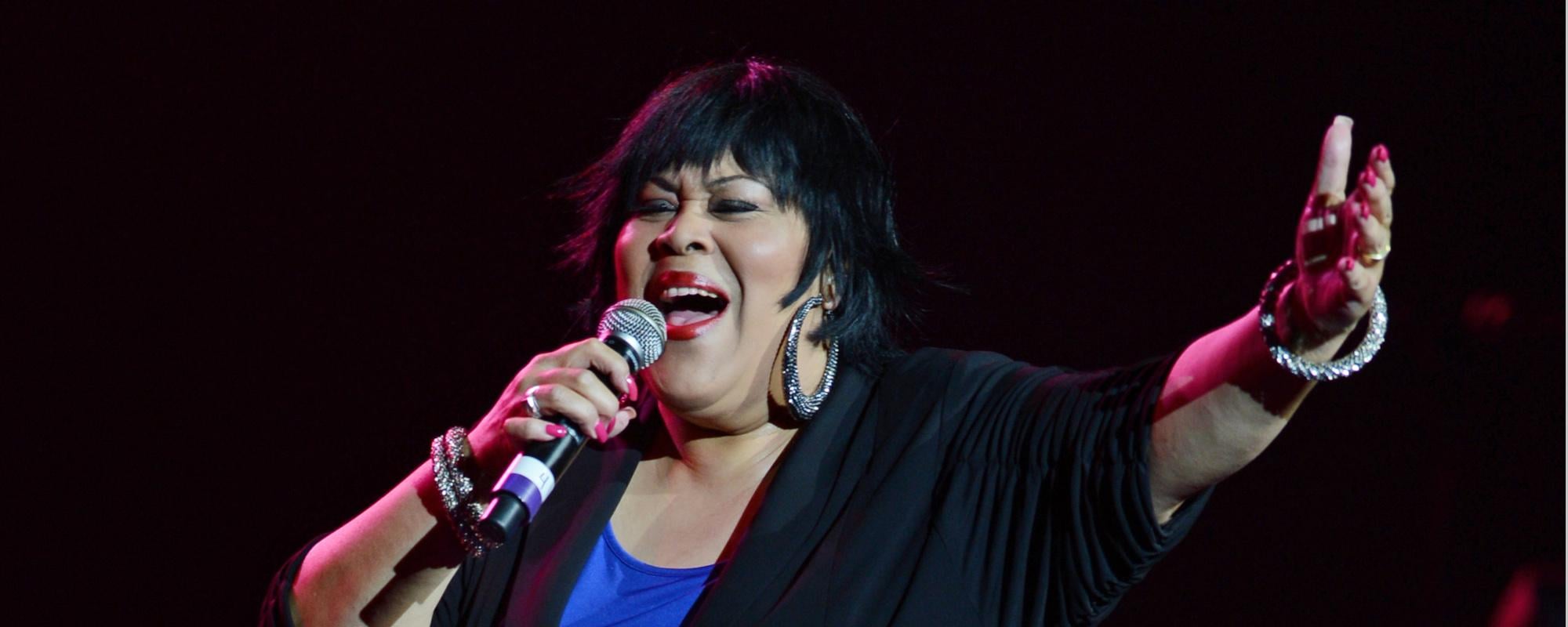
In 1990, Wash recorded vocals for two tracks that would become massive hits: C+C Music Factory's 'Gonna Make You Sweat (Everybody Dance Now)' and Black Box's 'Everybody Everybody'. She was told her vocals were just demos—scratch tracks to guide the "real" singers. But when the songs came out, her voice was front and center. The problem? The faces in the videos and on the album covers belonged to other women: Zelma Davis for C+C Music Factory, and French model Katrin Quinol for Black Box. Wash was completely invisible.
She found out about the C+C Music Factory video the way most people did: she saw it on TV. "I said, 'That's my voice, but that's not me,'" she later recalled. The producers had taken her demo vocals, kept them in the final mix, and hired a slimmer, more conventionally attractive woman to lip-sync for the cameras. Wash received no credit, no royalties, and no public acknowledgment.
It was a gut punch. But Wash wasn't about to stay silent.
The Fight for Credit
Wash sued both C+C Music Factory and Black Box. And she didn't just want money—she wanted her name on the records. The lawsuits were messy and public. C+C Music Factory initially claimed another singer had re-recorded Wash's parts, but audio analysis proved otherwise. In the end, Wash won settlements that included proper credit and royalties. More importantly, her legal battles sparked a change in industry practice: record labels began listing vocal credits on CDs and music videos. If you've ever read the fine print on a single and seen "lead vocals by [name]," you can thank Martha Wash.
But the damage was done. For years, Wash was known as "the most famous unknown singer of the '90s," a phrase coined by Rolling Stone critic Jason Newman. She had the voice, the hits, and the talent—but the industry had decided she didn't have the look.
The Queen of Clubland
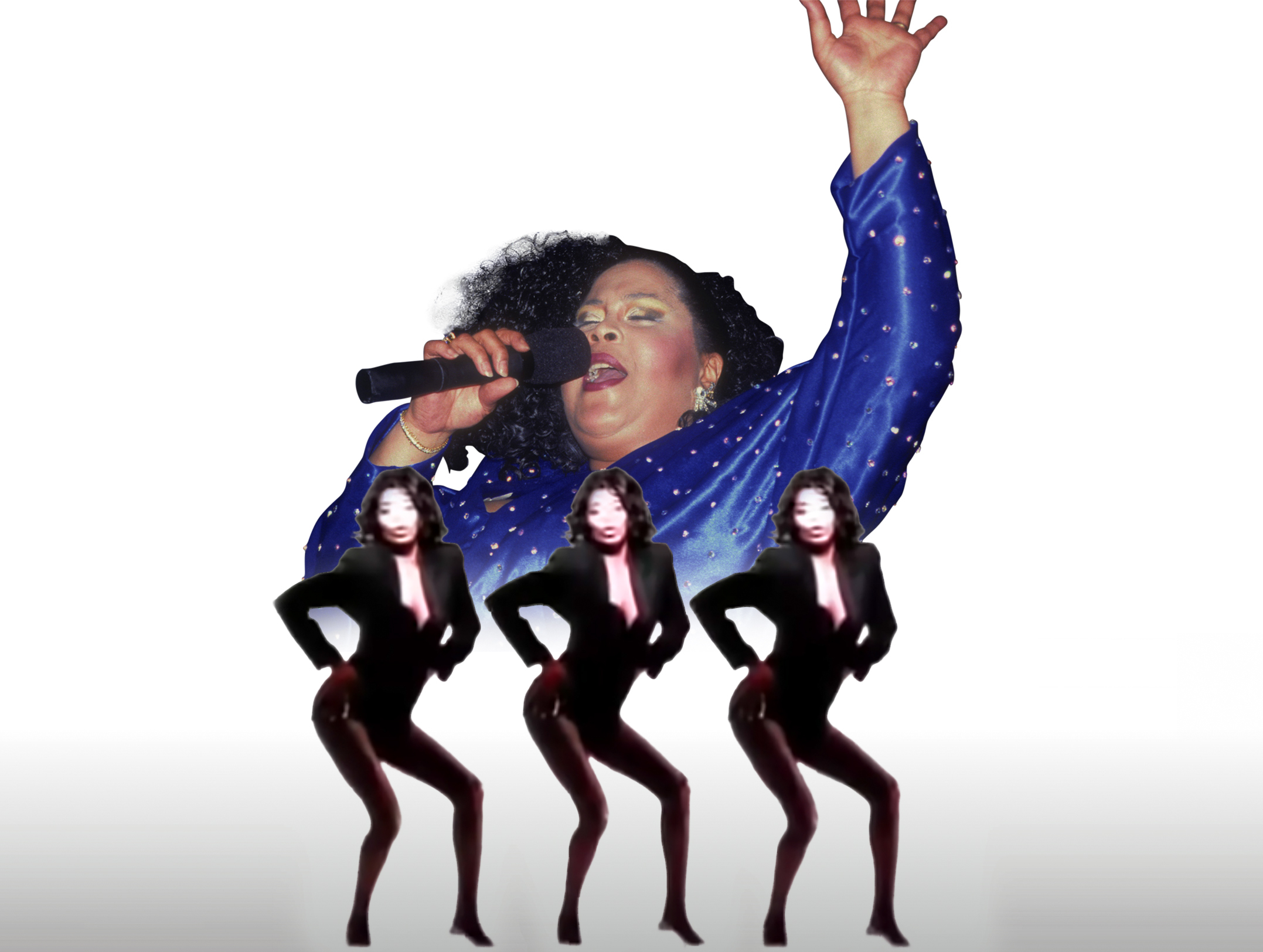
Despite the setbacks, Wash kept recording. She became a fixture on the Billboard dance chart, racking up fifteen number-one hits—a feat that earned her the title "The Queen of Clubland." In December 2016, Billboard ranked her as the 58th-most successful dance artist of all time. Not bad for someone who was told she'd never be a star because of her weight.
Wash's story isn't just about one stolen song. It's about an industry that has always prioritized appearance over authenticity, and the artists who fight back. She paved the way for conversations about representation, fairness, and the value of talent over looks. And she did it with a voice that couldn't be ignored—even when the industry tried to hide her face.
Watch Martha Wash talk about the experience in her own words.
What Can We Learn?
The Martha Wash saga is a reminder that the music industry is rarely fair. It chews up talent and spits out image. But it's also a story of resilience. Wash didn't let the erasure define her—she used it as fuel. She fought for her rights, changed the rules, and kept singing. And when you hear that iconic "Everybody dance now!" at a wedding or a club, you're hearing a woman who refused to be silenced.
So the next time you see a music video with a perfect lip-sync, ask yourself: whose voice is that, really?