
Here's a sentence that should break your brain: Cleopatra lived closer in time to the Moon landing than she did to the construction of the Great Pyramid of Giza. Not the iPhone, not the internet, not even the printing press. The actual Moon landing. Let that sink in for a second. The most famous woman of ancient Egypt, the one we picture with the heavy eyeliner and the asp, was chronologically closer to Neil Armstrong than to the guys who stacked two million limestone blocks into a 481-foot mountain.
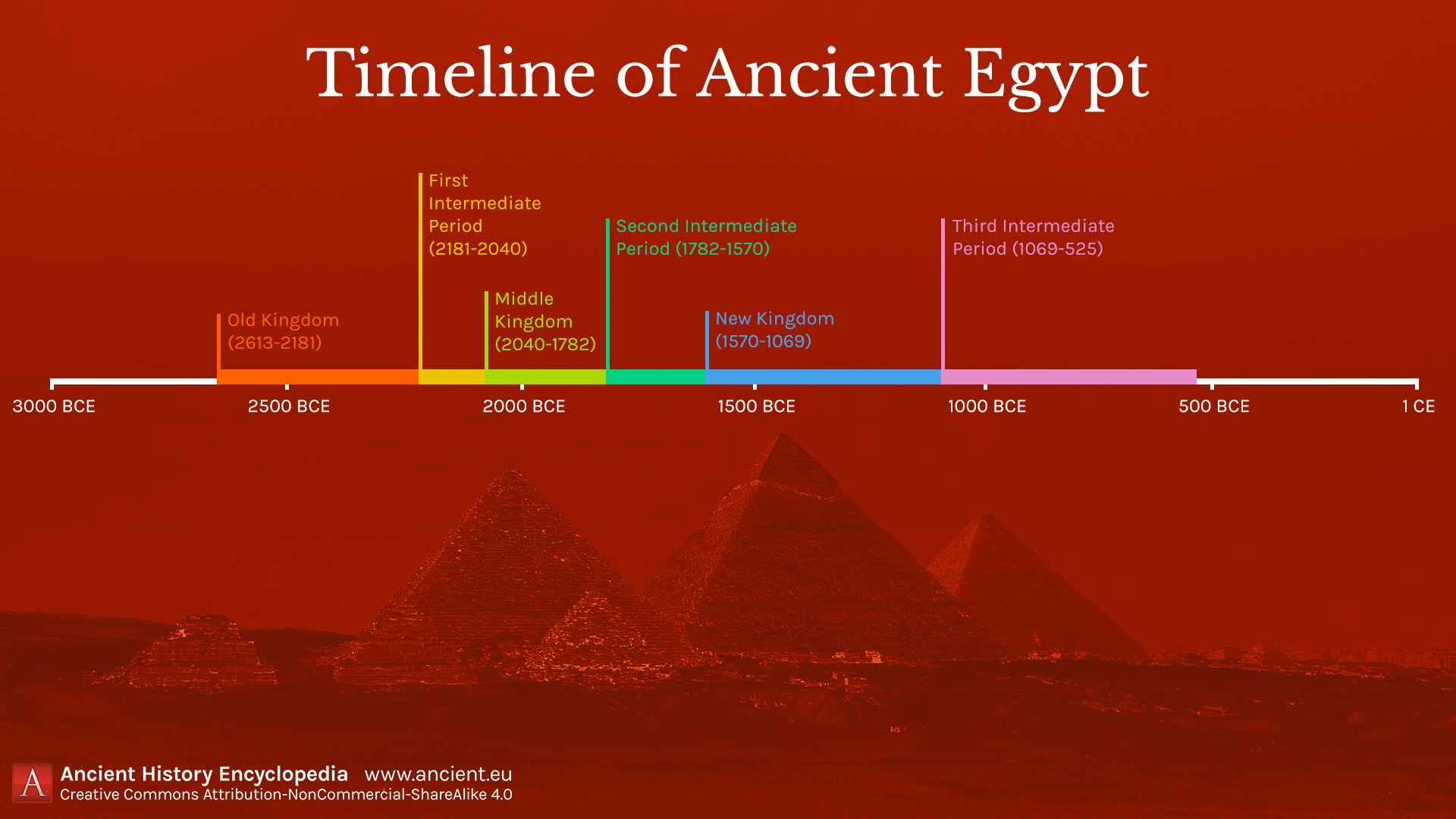
We talk about "ancient Egypt" like it was one long, continuous party. It wasn't. It was a civilization that lasted for roughly 3,000 years—longer than the time between Julius Caesar and, well, right now. That's not a single era. That's a dozen eras stacked in a trench coat. And the people living inside that timeline? They were just as confused about their own history as we are about ours.
The Numbers That Break Your Brain
The Great Pyramid of Giza was built around 2560 BCE. Cleopatra was born around 69 BCE. That's a gap of about 2,500 years. Now, the Moon landing happened in 1969 CE, roughly 2,000 years after Cleopatra's death. So yeah, you read that right. Cleopatra is closer to us than she is to the most iconic monument of her own civilization.
But it gets weirder. When Cleopatra was alive, the Great Pyramid was already older to her than she is to us. Think about that. She could have looked at the pyramids the way we look at the Colosseum—ancient, mysterious, already covered in tourist graffiti. The pyramids were the original "old thing" that everyone marveled at but nobody really understood anymore.
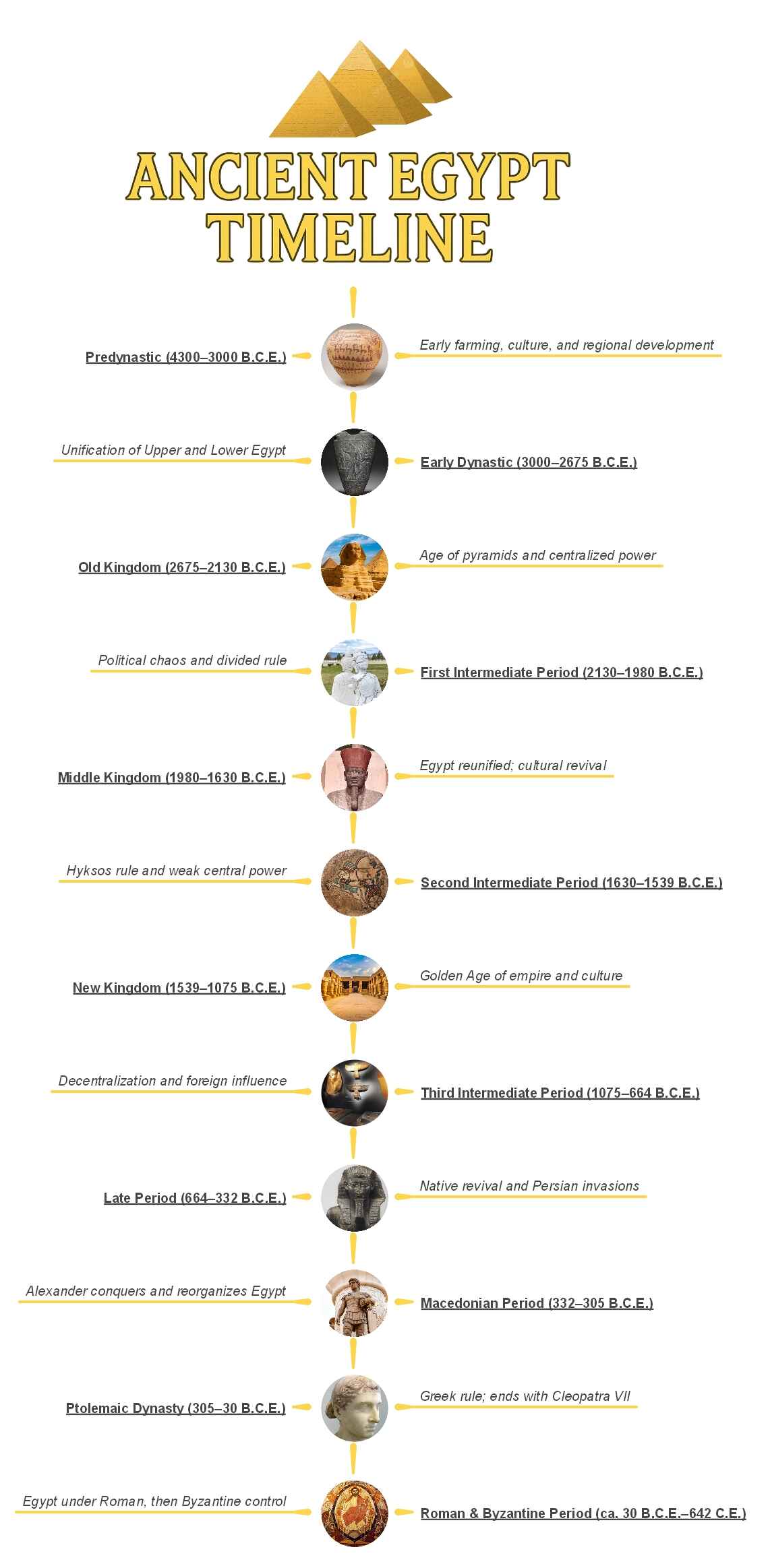
And it's the pyramid. The first Egyptian dynasty kicked off around 3150 BCE. That's 3,100 years before Cleopatra. To put that in perspective, 3,100 years before us is the time of King David, if you're into biblical chronology, or the Bronze Age collapse, if you're into nerd stuff. The distance between the first pharaohs and Cleopatra is roughly the same as the distance between Cleopatra and... well, us, plus another thousand years. The civilization was already ancient before it even got to its most famous parts.
The First Egyptologist Was an Egyptian Prince
So here's the thing that really messes with people: the ancient Egyptians were themselves obsessed with ancient Egypt. Not in a meta, post-modern way. In a very practical, "we need to fix these old tombs because they're falling apart and we don't remember who built them" way.
Meet Prince Khaemweset. Fourth son of Ramesses II, who reigned from 1303 to 1213 BCE. That's over 3,000 years ago. Khaemweset is often called the first Egyptologist, and for good reason. He didn't just admire the old monuments—he actively restored them. He found crumbling statues, decaying temples, and forgotten tombs from dynasties that were already ancient to him, and he fixed them up, labeled them, and made sure the names of the original kings were preserved.
His inscription on the pyramid of Senusret III at Dahshur reads like a mission statement: "Very greatly did the Sem-priest, King's Son Khaemwaset, desire to restore the monuments of the Kings of Upper and Lower Egypt, because of what..." And that's where the text cuts off, but the intent is clear. He was basically the original heritage conservationist. He saw the pyramids of his ancestors the way we see crumbling medieval castles—worth saving, worth studying, worth remembering.
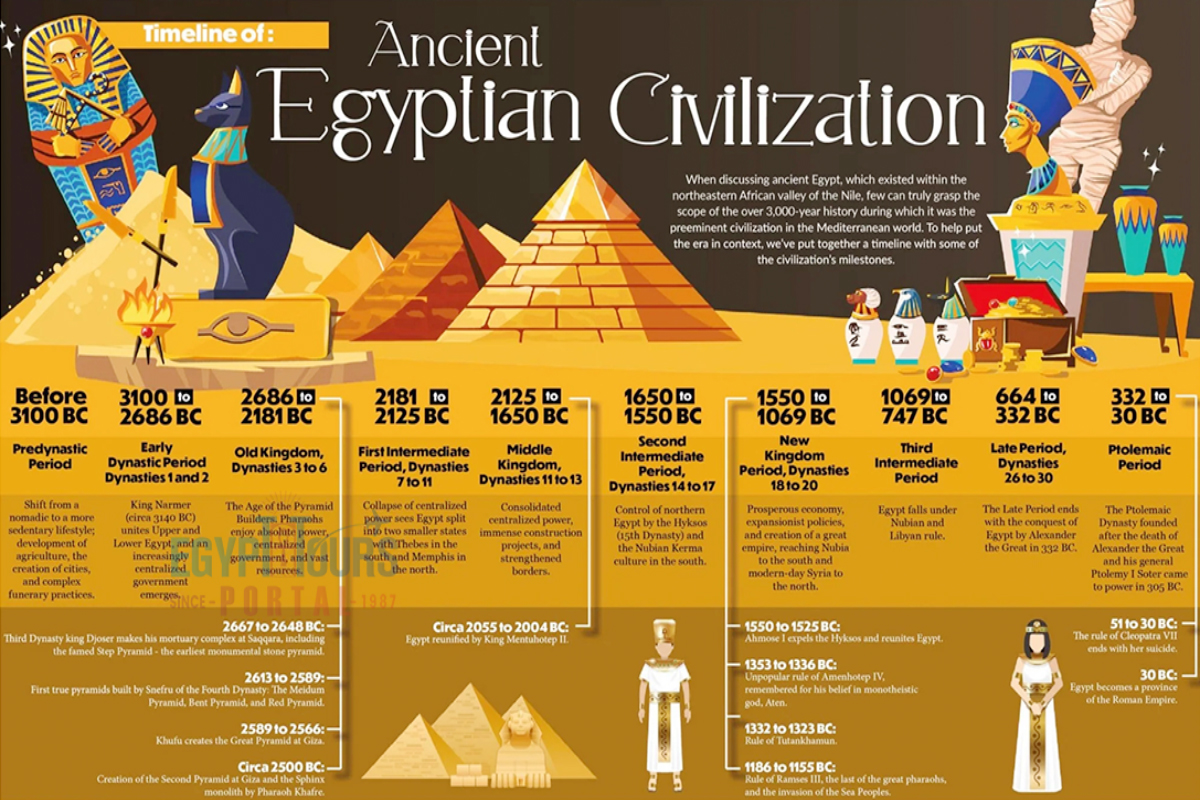
Khaemweset wasn't alone. Ancient Egyptian scribes and scholars kept king lists, annals, and monumental reliefs that recorded the deeds of pharaohs from centuries earlier. They had archives. They had historical consciousness. They had, for lack of a better term, a sense of "back in the day." The Turin King List, for example, is a papyrus that lists pharaohs going back to the First Dynasty, complete with reign lengths. It's basically an ancient Wikipedia. And it was written around 1200 BCE, when the First Dynasty was already 2,000 years in the rearview mirror.
So when we study ancient Egypt, we're studying a civilization. We're studying a civilization that studied itself. And that's the part that never gets enough attention. The people who built the pyramids at Giza were already ancient history to the people who built the temples at Karnak. And those people were ancient history to Cleopatra. And Cleopatra is ancient history to us.
The timeline is so deep that it almost stops making sense. You can't hold 3,000 years in your head. You can barely hold 100 years. So we compress it. We lump it all together. We picture Cleopatra and Khufu at the same dinner party. But they were more distant from each other than we are from Charlemagne.
Why We Keep Getting It Wrong
The problem is that we treat ancient Egypt like a single, static thing. We see the pyramids, the Sphinx, the golden masks, the hieroglyphs, and we assume they all coexisted. They didn't. The Great Pyramid was built in the Old Kingdom. The Valley of the Kings was used in the New Kingdom. Cleopatra was from the Ptolemaic period, which is technically Greek. The civilization shifted, changed, collapsed, revived, and reinvented itself dozens of times over three millennia.
And yet, the popular imagination collapses all of that into one big, sandy blur. It's the same reason we think of the Roman Empire as one continuous thing, even though it lasted over a thousand years and went through massive transformations. Our brains just aren't built for that kind of scale.
But here's the thing: the Egyptians themselves were aware of the scale. They knew the pyramids were old. They knew the kings of the Old Kingdom were ancient. They even had legends about them. By the New Kingdom, the pyramids at Giza were already tourist attractions. There are ancient graffiti inscriptions on the Giza plateau from Egyptians who visited the site, marveled at the monuments, and left their names. Sound familiar? It's the same impulse that makes us carve our initials into a tree. Except the tree is 4,500 years old.
And that's the real mind-bender. The ancient Egyptians were the first people to experience the "ancient Egypt" phenomenon. They were the ones who looked at crumbling pyramids and wondered who built them and why. They were the ones who tried to restore what was already lost. They were the ones who invented Egyptology, thousands of years before the British showed up with their pith helmets and sketchbooks.
So the next time someone says "ancient Egypt" like it's a single moment in time, remember Khaemweset. Remember that Cleopatra was closer to the Moon landing than to the Great Pyramid. Remember that the civilization lasted so long that it had its own ancient history. And then maybe go read a king list. It's wild stuff.
The Takeaway
Ancient Egypt wasn't a moment. It was a marathon. A 3,000-year marathon that outlasted almost every other civilization on Earth. And the people running that marathon were constantly looking back over their shoulders at the runners who had gone before. They studied their own history, restored their own monuments, and tried to make sense of their own past. In a way, they were just like us—obsessed with the old, the mysterious, the half-forgotten. Except their "old" was already 2,500 years old.
So go ahead, try to wrap your head around that timeline. Cleopatra to Moon landing. Moon landing to you. You to the next big thing. It's all connected. And it's all ancient history, eventually.