
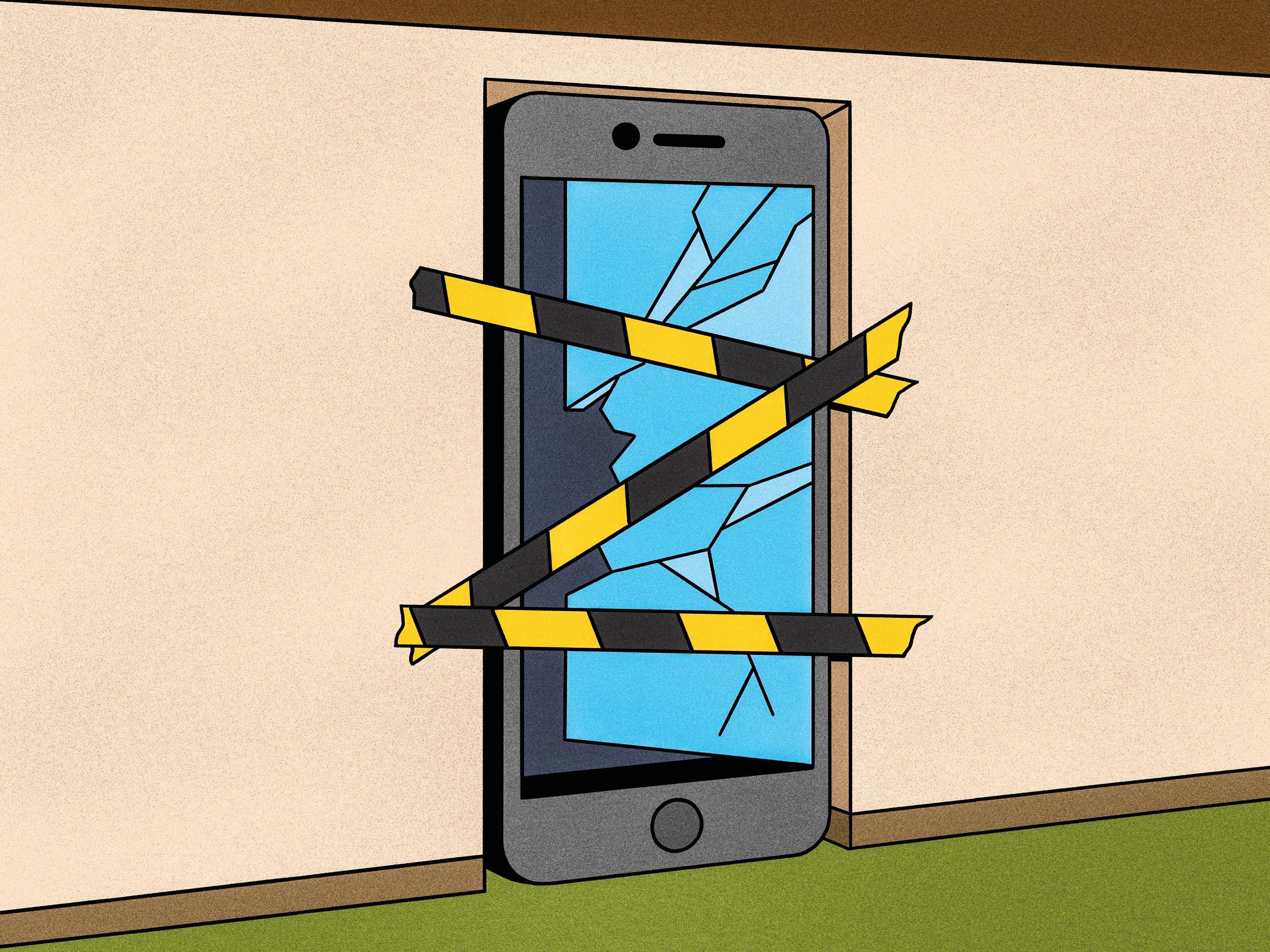
There's something darkly funny about a surveillance CEO getting mad that people are looking at him. Not his cameras. Not his company's practices. Him. As if the entire apparatus of watching was supposed to flow one way, and someone forgot to check the valve.
A few weeks back, a guy named Garrett Langley—founder of Flock Safety, the company that sells AI-powered license plate readers to police departments and HOAs across the country—allegedly tried to scrub his personal info from the internet. He didn't want people knowing where he lived, what he looked like, or maybe even that he existed. The internet did what the internet does. It found him anyway. And now he's become a walking, talking Streisand effect.
But this isn't just a story about one guy's failed attempt at anonymity. It's about the weird, persistent double standard at the heart of the surveillance economy: the people building the panopticon are often the most desperate to stay out of its gaze.
The Watcher Who Wouldn't Be Watched
Flock Safety is everywhere. Their cameras sit on telephone poles and street corners in thousands of neighborhoods across the U.S., quietly logging every license plate that rolls past. Police love them. HOAs love them. And according to the ACLU, companies like Flock are "quietly trying to build a nationwide mass surveillance system." Not exactly a subtle operation.
Langley, for his part, has been the public face of that system. He's done interviews, given TED-style talks, and generally acted like a guy who believes in what he's selling. But when it came to his own privacy, he apparently wanted a different set of rules. According to reports, he filed takedown requests to remove his personal information from the web. He wanted to be invisible.
And you know what? I get it. I don't want my address floating around either. But here's the thing: when your entire business model depends on making other people's movements trackable, searchable, and permanent, you don't get to opt out of the system you built. That's not how it works. That's not how it should work.
The Streisand Effect, Live and in Color
If you've never heard of the Streisand effect, here's the short version: in 2003, Barbra Streisand sued a photographer to remove an aerial photo of her Malibu mansion from a public archive of California coastline images. The photo had been downloaded six times before the lawsuit. After the lawsuit made headlines, it was downloaded over 400,000 times in a month. Trying to hide something made everyone want to see it.
Langley walked right into that same trap. His attempts to scrub his info didn't just fail—they backfired spectacularly. People who'd never heard of Flock Safety suddenly knew the CEO's name, his face, and exactly where he lived. The takedown requests became the story. And now there's a photo of him circulating online, with the internet collectively saying, "Oh, you don't want us to see this? Let's make sure everyone sees it."
It would be funny if it weren't so revealing. Because what Langley did wasn't just a PR blunder. It was a philosophical confession. He told us, in the clearest possible terms, that he doesn't believe his own product is safe. That's the part that should scare people.
The Psychology of Power and Privacy
There's a reason this pattern keeps repeating. with surveillance CEOs, but with tech executives, politicians, and pretty much anyone who ends up with the ability to watch others. They start to see privacy as a zero-sum game. If you have it, they don't. If they have it, you don't. So they hoard it for themselves while selling you the idea that you don't need it.
Psychologists call this "asymmetric information." I call it "rules for thee but not for me." Same thing, really.
And look, I'm not naive. I know some level of surveillance is probably unavoidable in a world with smartphones and traffic cameras. But there's a difference between accepting that reality and building a business that exploits it while demanding immunity for yourself. The former is resignation. The latter is hypocrisy.
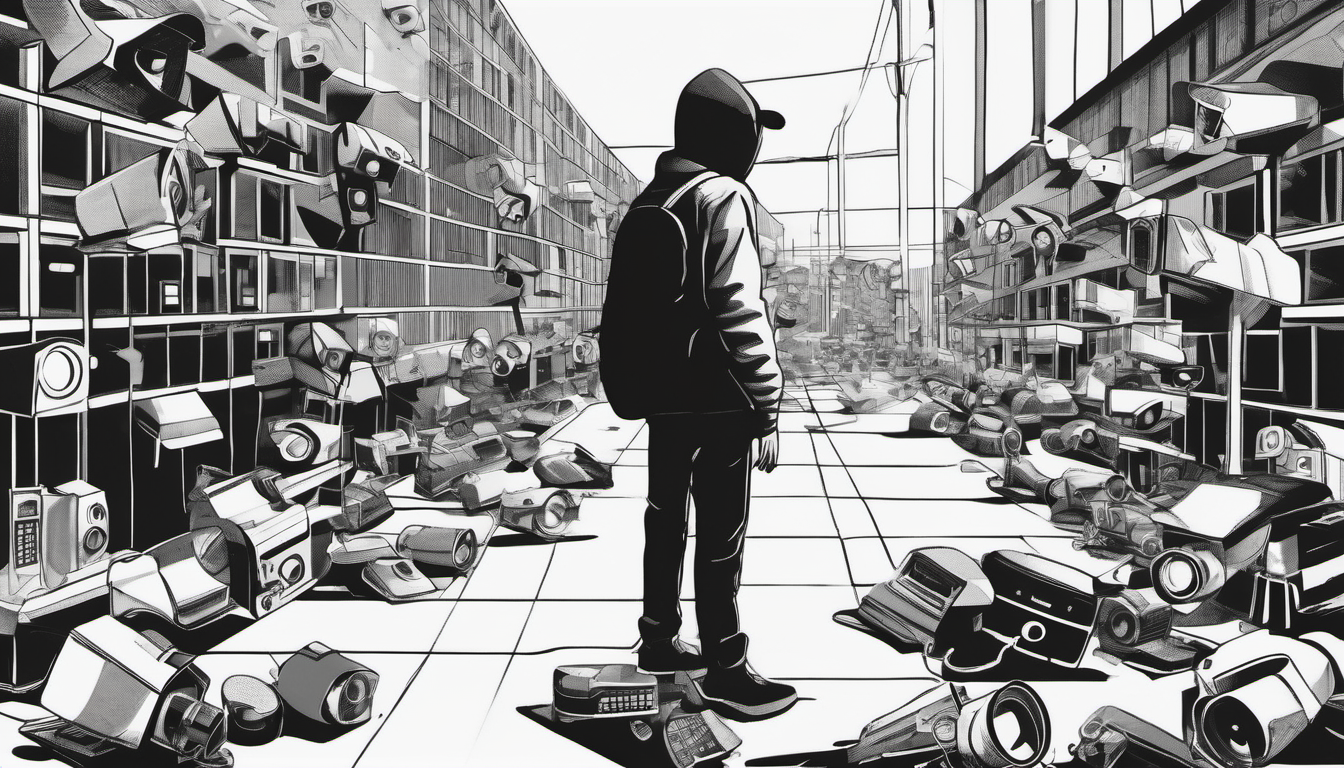
When the Cameras Turn Out to Be Swiss Cheese
If Langley's little privacy tantrum was the appetizer, the main course came earlier this year when a YouTuber named Benn Jordan discovered that a bunch of Flock cameras were accessible online without any authentication. No password. No login. Just open feeds, streaming live video to anyone who knew where to look.
Jordan called it "like Netflix for stalkers," and he wasn't exaggerating. The exposed cameras included pan-tilt-zoom models that could be controlled remotely. Some interfaces even gave administrative access, meaning a random person could potentially download, alter, or delete footage. And these weren't just in some test lab—they were deployed in neighborhoods, parks, and near schools.
Flock eventually fixed the issue, but the damage was done. A company that sells security had accidentally created a tool for stalking. And the irony wasn't lost on anyone who'd been following the Langley saga. The guy who wanted to hide his address was running a company that couldn't even protect its own camera feeds.
The Bigger Question Nobody Wants to Answer
Here's the part that keeps me up at night. We've built an entire industry around the idea that more surveillance equals more safety. But the people selling that idea don't seem to believe it themselves. They want cameras on your street, but not on theirs. They want your data in their servers, but their data in a bunker. They want to watch, but never be watched.
So what does that tell us? Either surveillance doesn't actually make you safer—in which case, why are we spending billions on it? Or it does make you safer, but the people who know that still don't want it for themselves—in which case, what do they know that we don't?
It's a question worth asking. And until someone in a boardroom gives an honest answer, I'll keep treating every new surveillance product with the same skepticism I'd apply to a used car salesman offering me a "great deal" on a car he'd never drive himself.
Because, the people who build the watchtowers are usually the first to build escape tunnels.