
Elevator doors close. A man loses his mind. If you've spent any time online, you've seen the clip: a guy in a blue shirt absolutely losing it because the doors shut before he could get on. Then he starts swinging. Over a door.
It's easy to write this off as an isolated nutjob. But psychologists will tell you it's not that simple. The same mechanisms that turned a closed elevator door into a brawl are at work in road rage incidents, checkout line meltdowns, and parking lot screaming matches. And understanding them might just save you from becoming the next viral villain.
The Frustration-Aggression Hypothesis: Your Brain on Minor Annoyances
Back in 1939, a group of psychologists at Yale proposed something called the frustration-aggression hypothesis. The idea is simple: frustration doesn't just make you annoyed; it creates a readiness for aggression. When your goal is blocked—like getting on an elevator before it closes—that frustration builds up. The more trivial the goal, the more disproportionate the rage can seem, because the blockage feels unjust and arbitrary.
Here's the thing: your brain doesn't distinguish between a closed elevator door and a genuine threat. Psychology Today describes it as an automatic, instinctive response: "The threat of aggression is not real, yet our minds respond as if it were." So when that door shuts, your amygdala fires up as if you're being attacked. For most of us, the prefrontal cortex steps in and says, "Chill, it's just an elevator." But for some people, that brake doesn't work.
Research on anger over small things points to a few key culprits. Stress, tiredness, unmet needs, or resentment can lower your threshold, so small frustrations land harder than they normally would. If you're running on four hours of sleep, dealing with a boss who hates you, and your partner just texted about a forgotten anniversary, that elevator door might be the final straw. BetterHelp notes that getting angry frequently over small things may be a symptom of mental health conditions, relationship conflicts, or other underlying issues.
Perceived Disrespect: The Hidden Trigger
In the viral elevator video, the blue-shirted man didn't just react to a closed door. He reacted to what the door represented: being ignored, dismissed, disrespected. Public spaces are full of these micro-slights. Someone cuts in line. A driver honks at you. A stranger's elbow bumps you on the subway. Each one tells a story: I don't see you, you don't matter.
For people with a fragile sense of status or a history of being overlooked, these moments can be explosive. It's not about the door; it's about the perceived insult. The old man in the video who held the elevator? He probably didn't even know someone was coming. But in the blue-shirted man's mind, that door closing was a personal attack. That's the thing about perceived disrespect—it doesn't have to be real to feel real.
And let's be honest: how often do we extend grace to strangers? We assume the worst. The elevator door closed because the other person is a jerk, not because they didn't see us. That attribution error is a recipe for rage.
The Bystander Effect: Why Nobody Steps In
When these incidents escalate, you'll notice something strange: people stand around and watch. In the elevator video, no one intervenes until the violence has already happened. That's the bystander effect in action. The more people present, the less likely any one person is to act. Everyone assumes someone else will step in, or they freeze because they're not sure what to do.
But there's another layer: ambiguity. Is this a serious fight or just two guys yelling? Is it safe to intervene? The brain takes time to process, and by the time it does, it's over. Add in the fear of becoming a target yourself, and you've got a recipe for passive spectatorship.

But here's the kicker: research shows that if just one person steps in with a calm, non-threatening word, the dynamic shifts. The spell breaks. "Hey man, you okay?" can be enough to snap someone out of that rage spiral. The problem is, most of us are too scared to be that person.
When Small Annoyances Become Public Spectacles
The internet has made these moments eternal. A closed elevator door becomes a viral video with millions of views. The comments section fills with armchair psychologists: "He must have had a bad day." "Orange shirt was an asshat." "I love seeing someone get what they deserve." But here's what those comments miss: the blue-shirted man isn't a monster. He's a person whose emotional regulation failed at the worst possible moment, in front of a camera.
That's the scary part. We all have bad days. We all have moments where the filter slips. The difference is, most of us don't have our meltdowns recorded and broadcast to the world. But the underlying psychology is the same. So before you judge, ask yourself: have you ever slammed your fist on a desk over a slow internet connection? Screamed at a driver who cut you off? Punched a wall over a spilled coffee?
If you're human, you've probably done something close. The only difference is scale and audience.
De-Escalation: How to Not Be That Guy
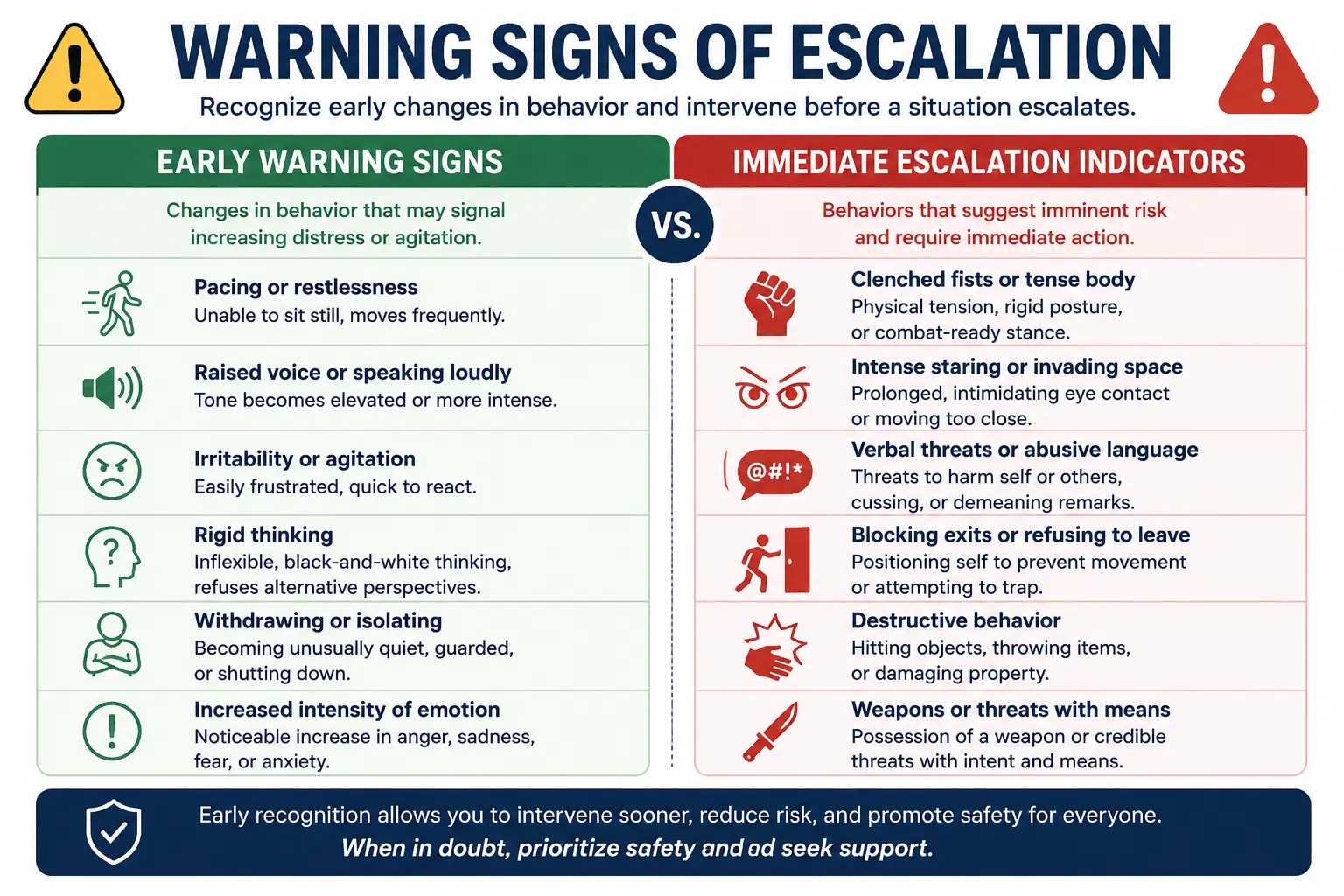
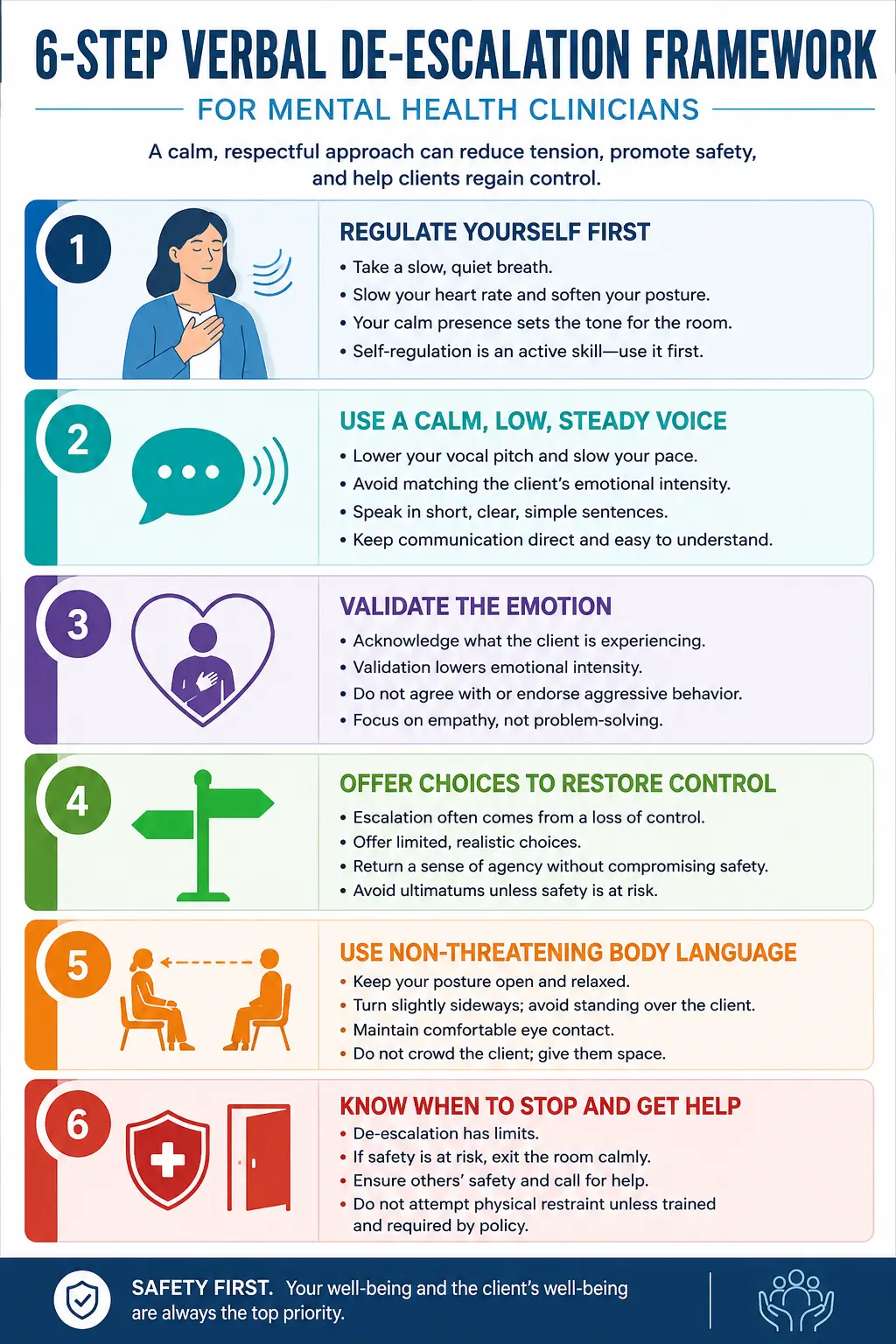
So what do you do when you feel that surge of rage over something trivial? The first step is recognizing it. That heat in your chest, the clenched jaw, the sudden tunnel vision—that's your amygdala hijacking your brain. Take a breath. Count to ten. It sounds cliché, but it works because it gives your prefrontal cortex time to catch up.
If you're on the receiving end, de-escalation is your friend. Don't match anger with anger. Lower your voice, keep your hands visible, and give the person space. Sometimes a simple "Hey, I didn't see you there" can defuse a situation that's about to go nuclear. And if you see a fight brewing, don't just stand there. A calm, non-judgmental intervention—even just saying "It's not worth it, man"—can save someone from a viral video and a criminal record.
But let's be real: not everyone can be saved. Some people are walking powder kegs, and no amount of de-escalation will stop them. In those cases, get out of the way and call for help. Your safety comes first.
The Bigger Picture
We live in a world that's constantly poking at our stress responses. Notifications, traffic, crowded spaces, financial pressure, political rage—it all adds up. So when a closed elevator door sends someone over the edge, it's rarely about the door. It's about everything else.
The next time you see one of these videos, don't just scroll and judge. Ask what led to that moment. And the next time you feel that surge of rage over something minor, ask the same question of yourself. Because the line between "having a bad day" and "viral video" is thinner than you think.