
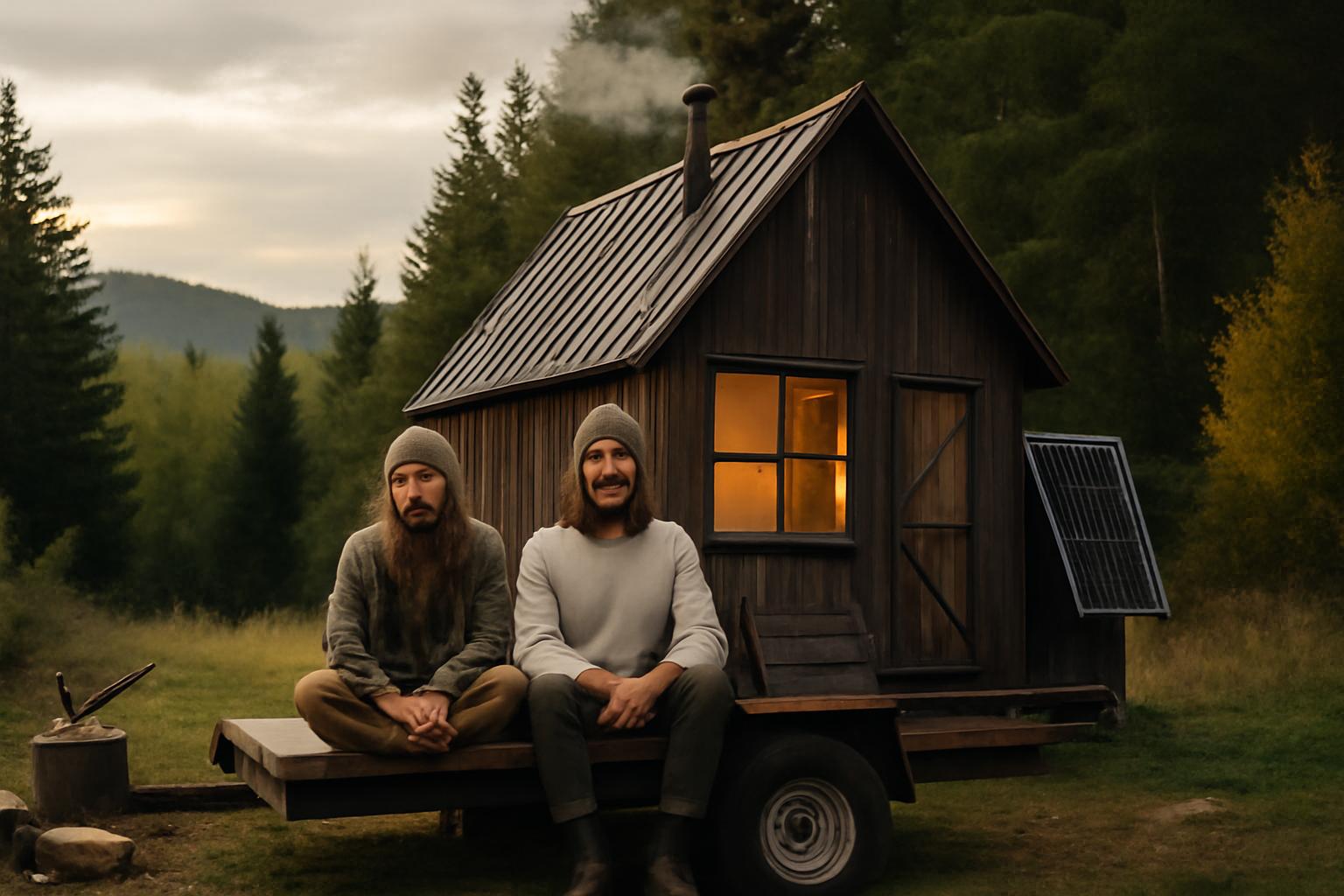
The first thing you notice about off-grid island influencers is how clean their hands look. No dirt under the nails, no sun damage, no calluses from hauling water. Just a serene smile and a caption about 'returning to nature.'
I've spent the last month digging into the reality behind these accounts. What I found is a strange mix of genuine resilience, staggering privilege, and a whole lot of environmental destruction dressed up as enlightenment.
The Price of Paradise
Let's start with the obvious: islands cost money. The most affordable private islands go for about $200,000 to $500,000. That's 'cheap' in the same way a crumbling fixer-upper in rural Maine is cheap—you're buying a plot of land with no infrastructure, no power, no water, and often no legal way to build anything on it. Turnkey islands, the ones with a house and solar already set up, start around $1 million.
But the purchase price is just the entry fee. Once you own your slice of paradise, you get to pay for everything a normal utility bill covers, except now you're doing it yourself. Solar panels, battery banks, water catchment systems, desalination if you're on a tiny atoll—it adds up fast. One off-grid Hawaii resident told me they spent $40,000 just on a solar setup that still doesn't cover their needs during cloudy weeks.
And then there's the maintenance. Everything breaks. Everything rusts. The salt air eats generators, the humidity destroys electronics, and if you can't fix it yourself, you'd better have a satellite phone and a fat bank account for emergency repairs. Mark Young, who's been living off-grid on a remote island in British Columbia for 21 years, knows this better than anyone. His YouTube channel is a masterclass in constant upkeep. He's built his own home, grows his own food, and still spends a huge chunk of his time just keeping the place from falling apart. That's the reality the influencers don't post: off-grid living is a second full-time job that you don't get paid for.
The Environmental Math No One Wants to Do
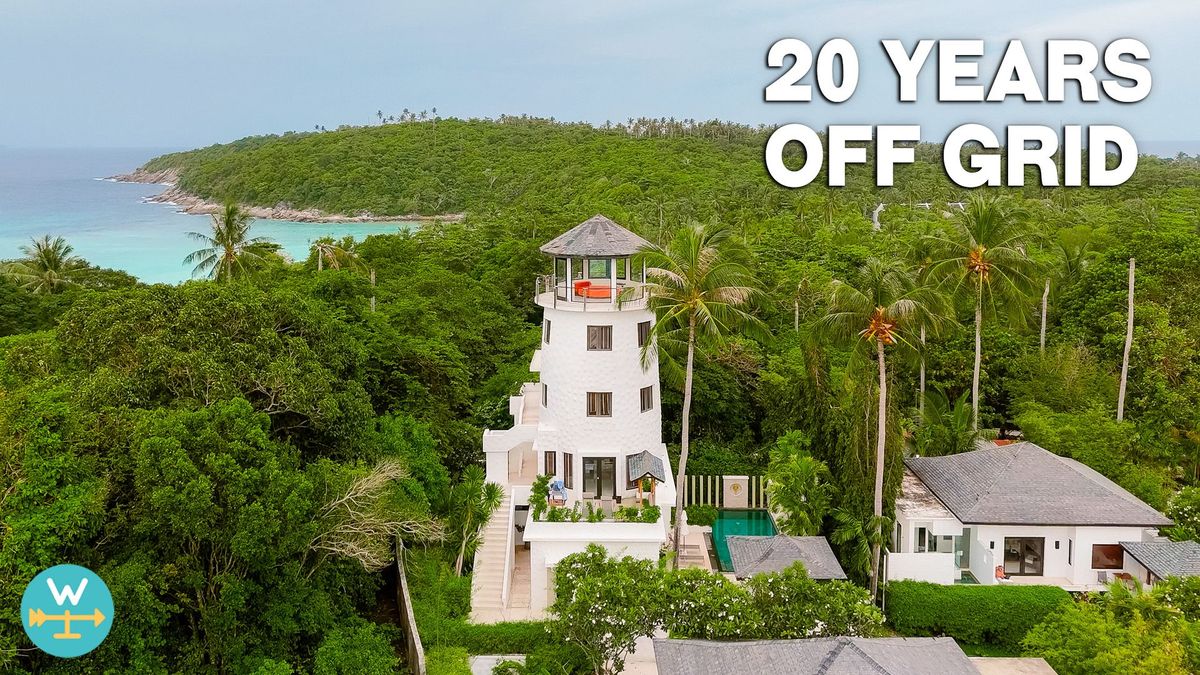
Here's the thing: moving to a remote island to 'live in harmony with nature' often means destroying the very nature you came for. Human disturbance on islands has led to loss of forest and mangrove areas, changes in natural coastline and land, and disruption of fragile ecosystems. A 2022 study documented these impacts across multiple islands, and the pattern is consistent: people show up, clear land for a house and garden, introduce invasive species (pets, livestock, non-native plants), and the native flora and fauna pay the price.
I watched one influencer video where a couple proudly showed off the land they'd cleared for their homestead—they'd cut down a stand of native palms to plant tomatoes. Tomatoes. On a tropical island. The environmental cost of that single action will take decades to recover, if it ever does.
But the damage doesn't stop at the shoreline. Island living requires constant importation of goods: fuel for generators, building materials, food you can't grow, medical supplies. Every single item arrives by boat or plane, burning diesel the whole way. The carbon footprint of a 'sustainable' off-grid lifestyle on a remote island is often worse than just living in a city apartment and taking the bus.
And then there's the water issue. Some islands are already seeing concerns around rising water and energy demand as more digital nomads and influencers move in. Groundwater gets depleted, solar arrays take up land that was once habitat, and waste disposal becomes a nightmare. Sewage on a remote island doesn't magically disappear—it goes into the ocean, or into a pit that leaches into the groundwater, or into a composting system that requires careful management and can fail spectacularly.
The Ethics of Selling a Fantasy
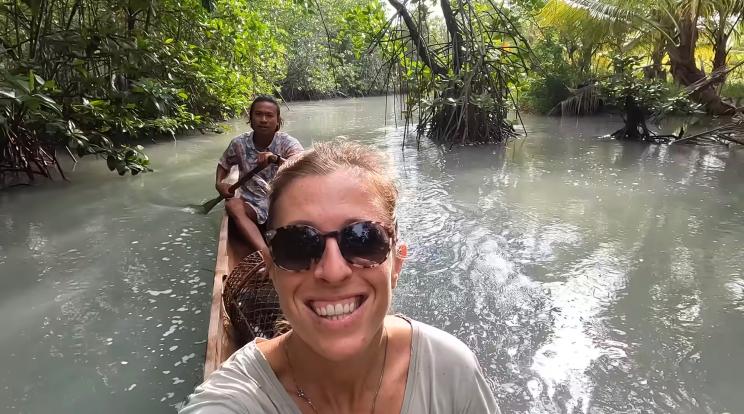
So why do influencers keep pushing this lifestyle? Because it sells. The 'off-grid island' aesthetic is pure catnip for a generation drowning in student loans and urban anxiety. The promise of total self-sufficiency, no boss, no rent, just you and the waves—it's a beautiful lie.
What they don't tell you is that almost all of these influencers have a safety net. They have family money, or a remote job that pays well, or a Patreon full of fans funding their 'simple life.' They can afford to fly home for medical care, or evacuate when a hurricane comes, or hire a local to fix their boat engine when they can't figure it out.
The ethical problem is that they're marketing this as accessible. 'You can do this too!' they say, while sitting on a $500,000 island with a $50,000 solar system and a $10,000 water maker. It's misleading—it's actively harmful. People quit jobs, sell houses, move their families to remote locations based on this fantasy, and then reality hits. No hospital for 200 miles, no school for the kids, no income because the internet (which they need for their remote job) is spotty at best.
There's also the colonial undertone that nobody wants to talk about. Many of these 'remote islands' are in developing nations, or in territories with indigenous populations. The influencer shows up, buys land (often from a foreign seller who acquired it through dubious means), and proceeds to live their 'authentic' life while the locals watch from a distance. The power dynamics are gross, and the environmental damage is often borne by people who didn't consent to any of it.
The Few Who Actually Make It Work
I don't want to paint everyone with the same brush. There are people who genuinely live off-grid on islands, and they're not the ones posting daily reels. Mark Young is a good example: 21 years, self-built home, minimal footprint, no influencer posturing. He's not trying to sell you a course or a lifestyle—he's just living his life, and he happens to share it on YouTube.
Another example comes from the off-grid forums, where people are brutally honest about the challenges. 'Off-grid life is difficult but fulfilling,' one commenter wrote, 'but the equipment failures will drive you insane.' Another described their setup: 'There was no plumbing, no refrigerator, no hot water, we used solar power.' That's the real deal—not a luxury retreat, but a constant negotiation with limitations.
These people will tell you that the dream and the reality are two different things. The dream is freedom. The reality is chopping firewood in the rain, fixing a generator for the third time this month, and wondering if you can afford the next boat trip to town for supplies.
So What's the Verdict?
Off-grid island living is possible, but it's not what the influencers are selling. It's expensive, environmentally fraught, and ethically complicated. If you have the money, the skills, and a genuine willingness to sacrifice comfort, you might make it work. But if you're chasing a fantasy of effortless simplicity, you're going to be disappointed—and you might cause real harm along the way.
The next time you see a gorgeous sunset from a remote island, ask yourself: what's outside the frame? The diesel generator, the pile of trash, the imported food, the privilege that made it all possible. The truth is a lot less pretty, but it's a lot more honest.